


A writer spends a week recording themselves doing everyday household tasks such as cooking, doing laundry, and tidying up. The recordings are framed as a way to turn routine activities into data that could be used to train future humanoid robots. Both sources describe chores as detailed, observable work that can be captured, organized, and potentially used for machine learning or similar training approaches. The reporting emphasizes that these mundane tasks are not only practical activities but also raw material for technology development. The articles also note that creating such training datasets raises questions about what it means to share and repurpose personal or domestic activities for broader technological use. While the pieces focus on the concept of collecting chore footage, they do not present specific technical results, commercial partnerships, or confirmed deployment plans. Instead, they present the week-long recording project as an experiment and a prompt for considering how robot training may increasingly rely on human behavior and everyday routines—and what that could imply for privacy, labor, and automation.
Writer Records a Week of Household Chores to Explore Training Data for Robots
A writer spends a week recording themselves doing everyday household tasks such as cooking, doing laundry, and tidying up. The recordings are framed as a way to turn routine activities into data that...

- The project involves recording a week of household chores.
- Tasks mentioned include cooking, doing laundry, and tidying up.
- The recordings are described as potential training data for future humanoid robots.
- The sources discuss the implications and consequences of using everyday activities as data.
- No specific deployment or measurable outcomes are provided in the excerpts.
"Cooking. Doing laundry. Tidying up. All your household tasks can be turned into data to train future humanoids—if you’re prepared for the consequences."
3 months agoCooking. Doing laundry. Tidying up. All your household tasks can be turned into data to train future humanoids—if you’re prepared for the consequences.
3 months ago
Google DeepMind launches Gemini Omni 1.1 Flash for developers
Google DeepMind introduces Gemini Omni 1.1 Flash, a new offering aimed at developers building generative AI applications...
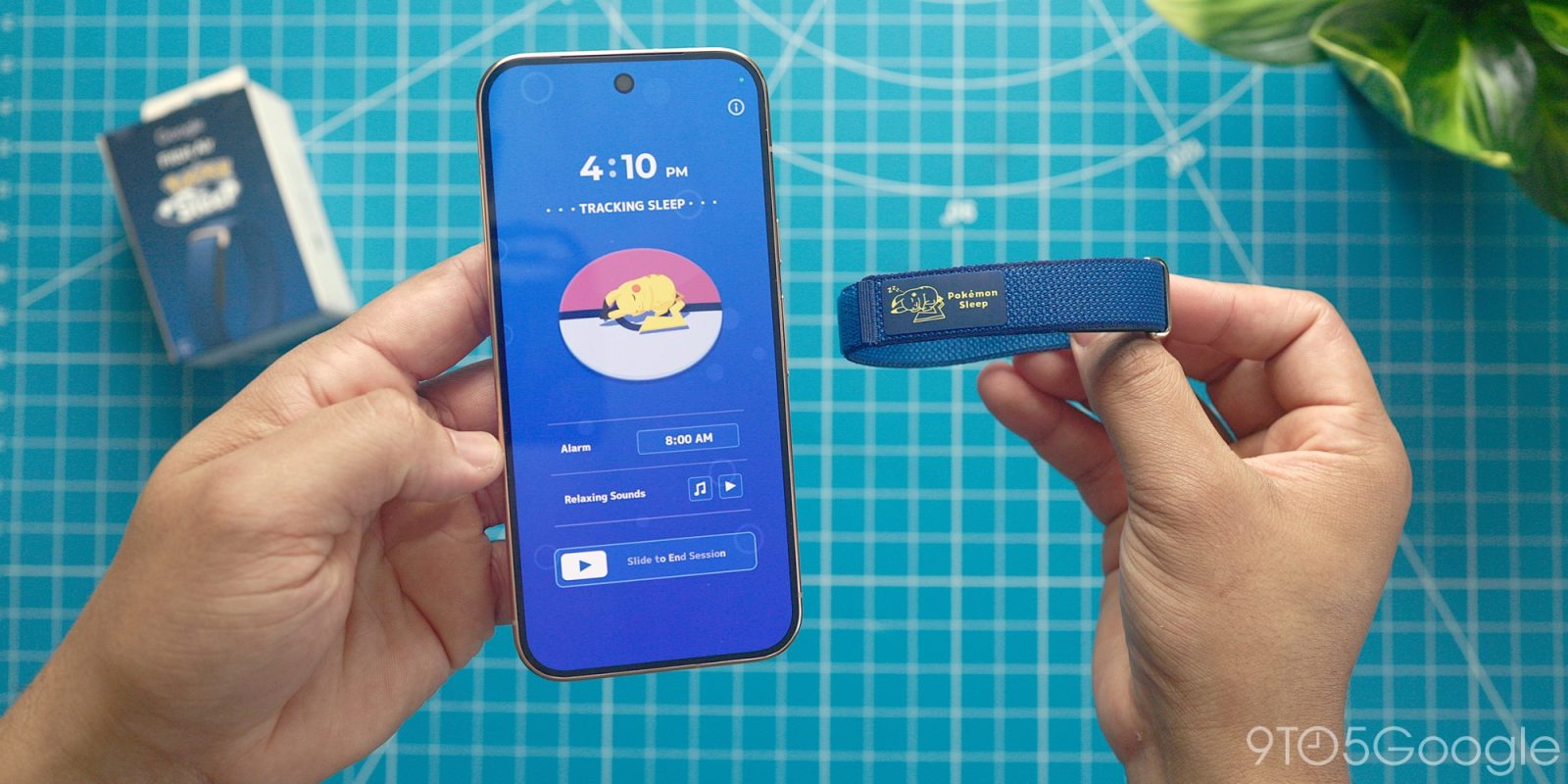
Google unveils Fitbit Air Special Edition themed for Pokémon Sleep
Google announces a Fitbit Air Special Edition designed to work with the Pokémon Sleep app. The device is positioned as a...

Developers describe AI agents shifting coding from typing to review, specs, and automation
AI coding workflows are rapidly evolving from one-off prompt-and-generate sessions toward structured systems where human...