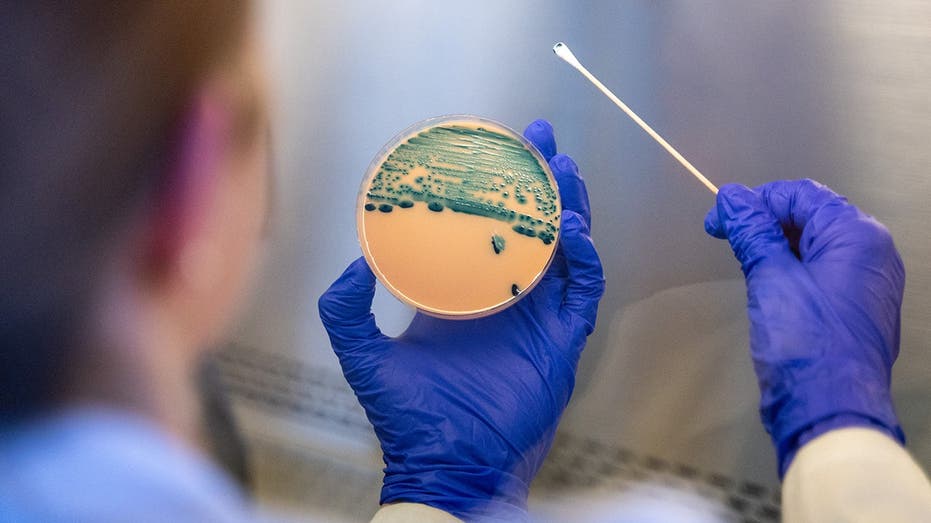
U.S. public health researchers report an increase in drug-resistant Shigella infections, including strains classified as extensively drug-resistant. Outlets cite recent findings associated with CDC data, showing that resistance is becoming more common in the country and making standard treatment options less reliable.
Several reports describe a shift in how the infection spreads, pointing to sexual contact—particularly among gay and bisexual men—as a factor driving transmission patterns. They also note that shigellosis is an acute intestinal illness caused by Shigella bacteria, typically associated with symptoms such as fever, abdominal cramps, and diarrhea that may include mucus or blood. One outlet adds context that Shigella has historically been linked to outbreaks in settings such as day care and to illness among travelers. Across sources, the key emphasis is on both changing transmission routes and the pathogen’s evolving resistance profile, which reduces effectiveness of commonly used antibiotics.