


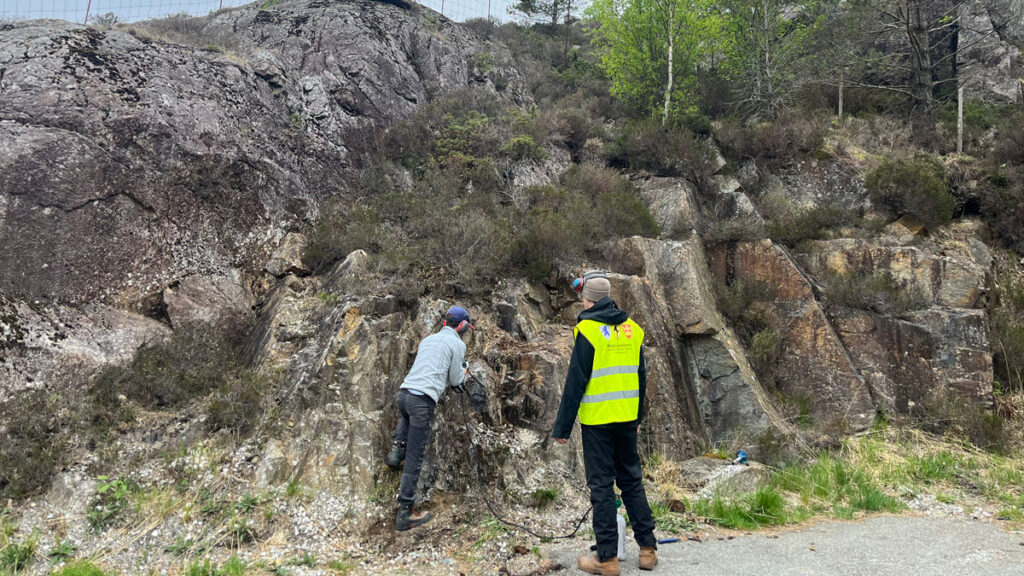
A new paleomagnetic analysis updates estimates of where the ancient continent Baltica was located roughly 616 million years ago, during the Ediacaran period. Multiple outlets report that determining paleocontinental positions for this interval has been difficult because reconstructions depend on Earth’s past magnetic field behavior. Scientists say the geomagnetic field appears to have been unusually variable, which can make standard methods for converting rock magnetism into continent locations produce inconsistent or implausible results.
The study focuses on disentangling magnetic signals preserved in ancient rocks attributed to Baltica. By accounting for complicating features of the magnetic record, the researchers derive a revised paleogeographic position for Baltica and provide a clearer basis for comparing models of continental drift in the late Proterozoic. The articles also note ongoing debate in the scientific community over earlier estimates of Baltica’s location, reflecting the challenges of working with an erratic magnetic field and interpreting magnetic signatures in rock sequences.


