


The Pentagon is taking steps to improve medical care for wounded military working dogs, according to multiple service-focused outlets. Coverage describes efforts aimed at advancing diagnosis and treatment for injuries that can affect dogs during deployments, particularly traumatic brain injury. The initiatives include improving how canine traumatic brain injury is assessed and evaluated, with the goal of better identifying the injury and guiding care. Sources also say the Pentagon is exploring ways to align some aspects of veterinary treatment with human medical approaches. One reported focus is researching and developing common treatment strategies that could be shared across species, potentially allowing medical teams to use similar or compatible therapies when treating dog injuries. While the reporting emphasizes these medical research and assessment improvements, it does not describe specific timelines, budgets, or the final set of treatments being adopted. Overall, the articles frame the effort as an effort to strengthen veterinary battlefield medicine by pairing better canine-specific evaluation with lessons and techniques drawn from human care.
Pentagon seeks to improve medical care for wounded military dogs
The Pentagon is taking steps to improve medical care for wounded military working dogs, according to multiple service-focused outlets. Coverage describes efforts aimed at advancing diagnosis and treat...
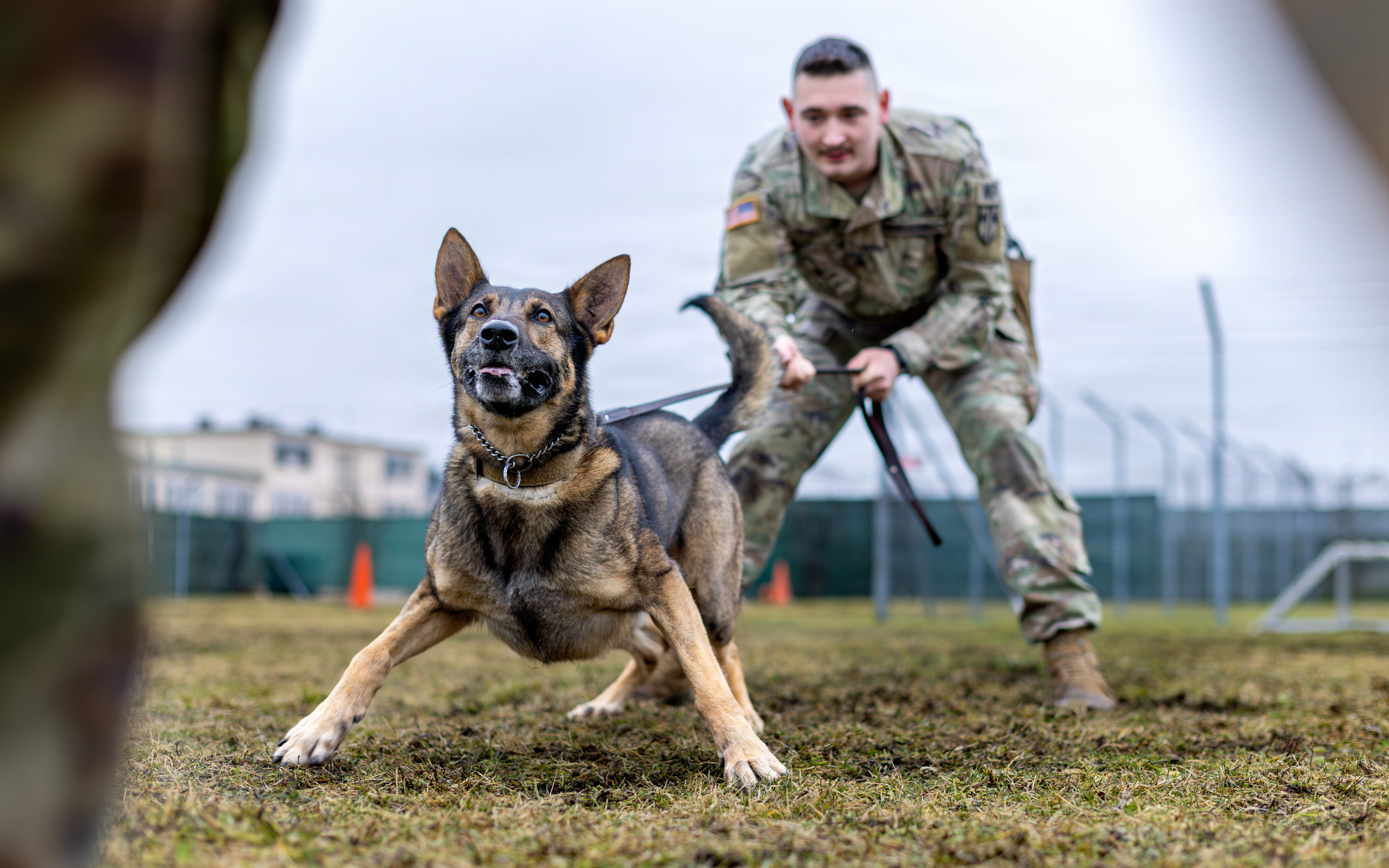
- The Pentagon is working to improve medical care for wounded military working dogs.
- Efforts focus on better assessment of canine traumatic brain injury.
- The initiative explores potential treatment approaches that can be shared between humans and dogs.
- Reporting from multiple outlets describes the effort as medical research and evaluation improvements for deployed service dogs.
Efforts include better assessment of canine traumatic brain injury and even finding common medical treatments for both humans and dogs.
3 months agoEfforts include better assessment of canine traumatic brain injury and even finding common medical treatments for both humans and dogs.
3 months agoEfforts include better assessment of canine traumatic brain injury and even finding common medical treatments for both humans and dogs.
3 months ago
Oyo Nyimba, Uganda’s Tooro king crowned at three, dies at 34
Oyo Nyimba, the Ugandan traditional king of the Tooro kingdom, dies at the age of 34. Multiple outlets report that his d...

Procam launches “HDOR – 100 Days of Running” to build long-term movement habits
Procam launches “HDOR – 100 Days of Running,” an initiative framed around completing 100 days of running to encourage re...

Cholesterol-lowering drug trial finds reduced cardiovascular events in older independent living
A world-first clinical trial reports that a common cholesterol-lowering medication significantly reduces the risk of maj...