


In South Korea, some young adults describe turning to “dopamine sites” for short, low-effort comfort, particularly late at night. One example involves a website styled like a food delivery app. A 25-year-old office worker said that around 2 a.m. he opens the site, browses menus, adds items to a cart, and goes through the steps of placing an order, even though he has no intention of completing a purchase. He described the experience as making him feel like he “actually ordered something,” which he said helps him resist late-night cravings and save money. The sites are designed to recreate parts of real app use—such as choosing menu items, viewing cart details, and sometimes showing features like delivery times and star ratings—without a real transaction. Both outlets link the trend to the desire for quick stimulation and stress relief, noting that users may browse repeatedly while stopping short of ordering. The reporting frames these “dopamine sites” as a coping habit that provides familiar app-like interaction without payment or delivery.
South Korea Gen Z uses “dopamine sites” that mimic delivery apps for quick comfort
In South Korea, some young adults describe turning to “dopamine sites” for short, low-effort comfort, particularly late at night. One example involves a website styled like a food delivery app. A 25-y...
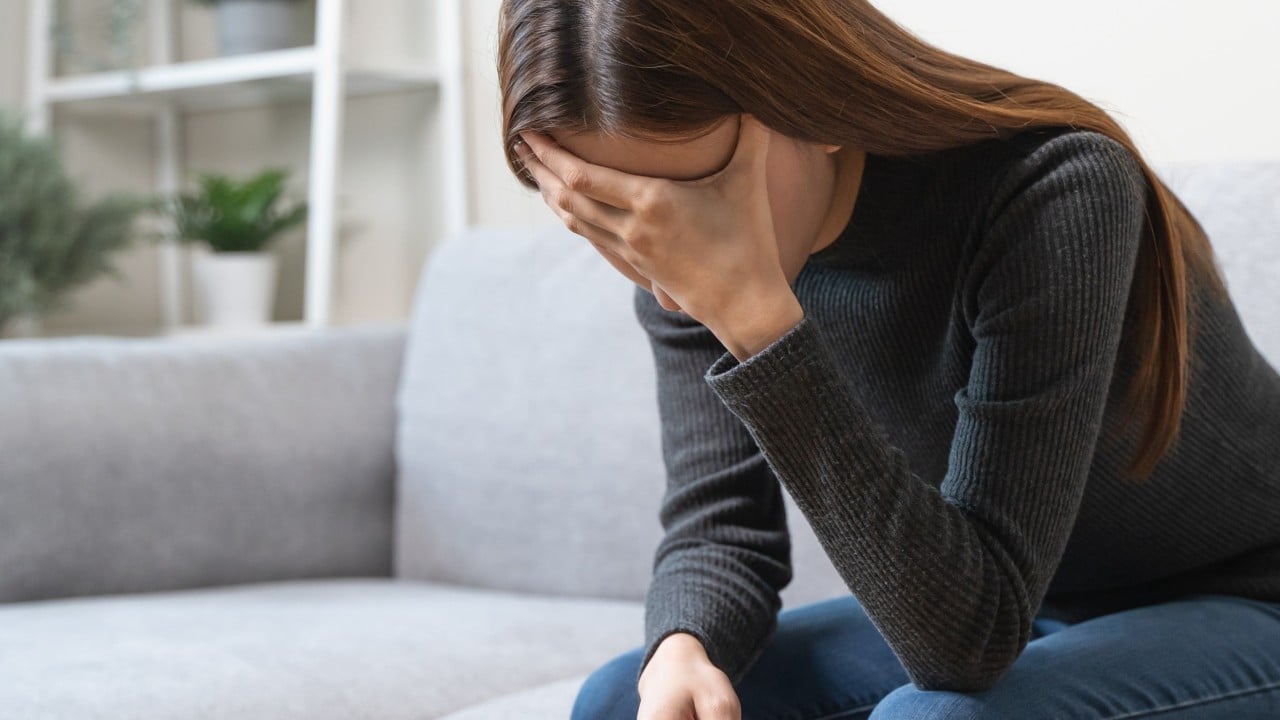
- Some young people in South Korea use “dopamine sites” to seek quick stimulation or stress relief.
- One popular example mimics a food delivery app, letting users browse menus and add items to a cart.
- Users simulate placing an order without actually completing a purchase.
- Users say the habit can help resist late-night cravings and avoid spending money.
- Some versions include features such as delivery times and star ratings to make the experience feel like a real app.
At 2am, Kim, a 25-year-old office worker, opens a site designed to look like a food delivery app, though he has no plan to order. He chooses menu items, drops them into a cart and simulates the experience of placing an order. “It somehow feels like I actually ordered something,” he said. Kim said the habit helps him resist late-night cravings. “There are many times when I crave food late at night but hold back to save money. It feels like a real delivery app, so I somehow keep looking at it,”...
3 months agoAt 2 a.m., Kim, a 25-year-old office worker, opens a site designed to look like a food delivery app, though he has no plan to order. He chooses menu items, drops them into a cart and simulates the experience of placing an order. "It somehow feels like I actually ordered something," he said. Kim said the habit helps him resist late-night cravings. “There are many times when I crave food late at night but hold back to save money. It feels like a real delivery app, so I somehow keep looking at it,” Kim said, referring to a site whose name is a spoof of a food delivery app. "I don't end up ordering anything, but it feels like it relieves a little stress," Kim said. So-called “dopamine sites” — online spaces that offer quick stimulation — have recently spread among young people in Korea. The fake food delivery site is one example, recreating the experience of using a delivery app without the transaction. Users can browse menus, select items and place them in a cart without sending an order. Some listings include delivery times and star ratings, making it feel closer to a real app. T
3 months ago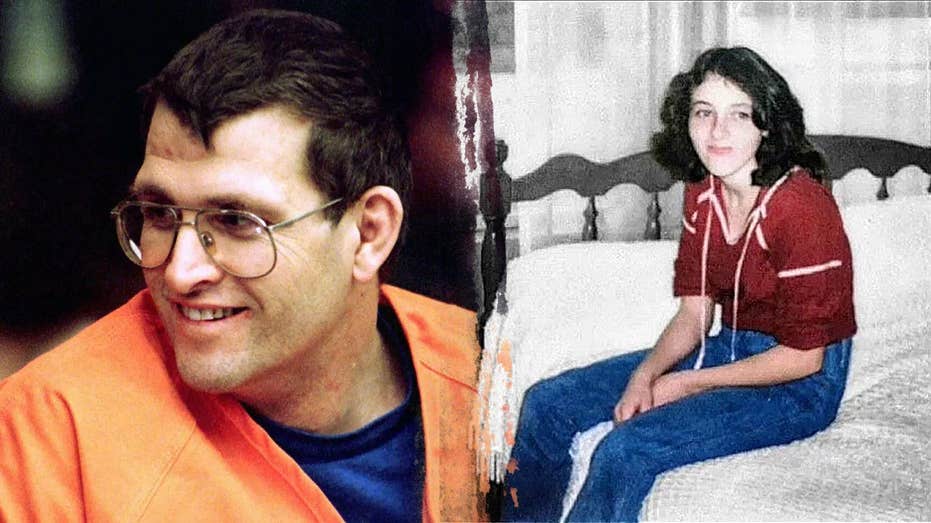
Authorities identify Lydia McWhorter as final victim of California’s “Happy Face” killer
California authorities identify Lydia Jane Wade McWhorter as the final unidentified victim of Keith Hunter Jesperson, th...
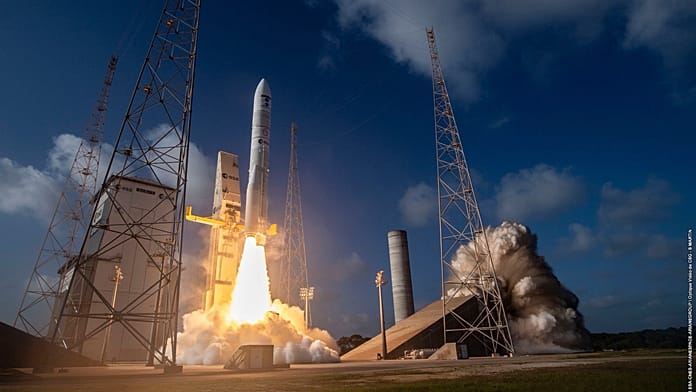
Ariane 6 launches MTG-I2 to complete Europe’s first Meteosat Third Generation trio
Europe’s MTG-I2 weather satellite is launched on an Ariane 6 rocket from French Guiana, completing the first trio of Met...

Developers cut LLM costs and reduce outages by routing tasks across compatible model providers
Multiple Dev.to posts describe a shift in how teams use large language models in production: instead of paying for a sin...