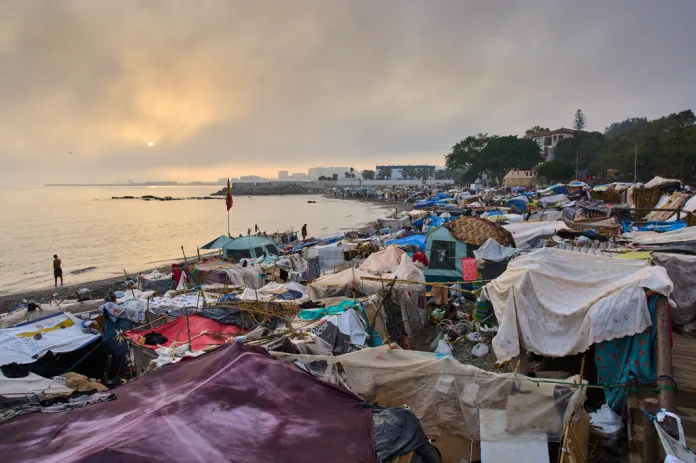
Hundreds of teenage migrants in Ceuta, a Spanish enclave on the North African coast, spend extended periods sleeping on streets, hillsides, and makeshift conditions as Spain’s response to the youth arrivals moves slowly. In early October, many gathered outside a church hoping for information from a visiting minister responsible for youth, including possible transfer to mainland Spain or entry into shelter.
Reporting across outlets describes that the situation follows a late-summer surge in arrivals. Some teens, including those who entered in late July during what is described as Spain’s deadliest border crisis, are processed irregularly and at times temporarily moved, but many end up back outdoors within hours. The visiting minister’s stop at a soccer field and subsequent return of minors to the streets illustrates, in multiple accounts, how the government’s support appears improvised and delayed.
While the sources focus on the same scene and its implications for minors’ welfare, they differ slightly in detail about timing and setting. All, however, connect the teenagers’ continued street living to gaps and delays in shelter access and orderly processing following the border crisis in Ceuta.