


Saudi Arabia reports a widened budget deficit in the first quarter, reaching its highest level since 2018, according to multiple outlets. The government attributes the shortfall to the effective closure of the Strait of Hormuz, which disrupts shipping and forces reductions in oil exports. As oil sales decline, revenue falls, contributing to a larger fiscal gap. Bloomberg reports the deficit increases in the first quarter to the biggest since 2018, tying the change to reduced oil exports caused by the Hormuz closure. It also notes that spending associated with Saudi Arabia’s efforts to diversify its economy continues to rise, adding pressure on the budget. Al Jazeera similarly says the kingdom announces a sharp rise in its budget deficit amid the drop in oil sales linked to the Hormuz disruption and cites a figure of $33.5 billion for the shortfall. Both accounts describe the same central drivers: lower oil export volumes and ongoing government spending, with the Hormuz situation acting as the immediate shock affecting revenues. The reporting reflects the government’s current fiscal outlook as it navigates the impact on energy flows and budget planning.
Saudi Arabia reports widest fiscal deficit since 2018 as Hormuz disruption cuts oil sales
Saudi Arabia reports a widened budget deficit in the first quarter, reaching its highest level since 2018, according to multiple outlets. The government attributes the shortfall to the effective closu...
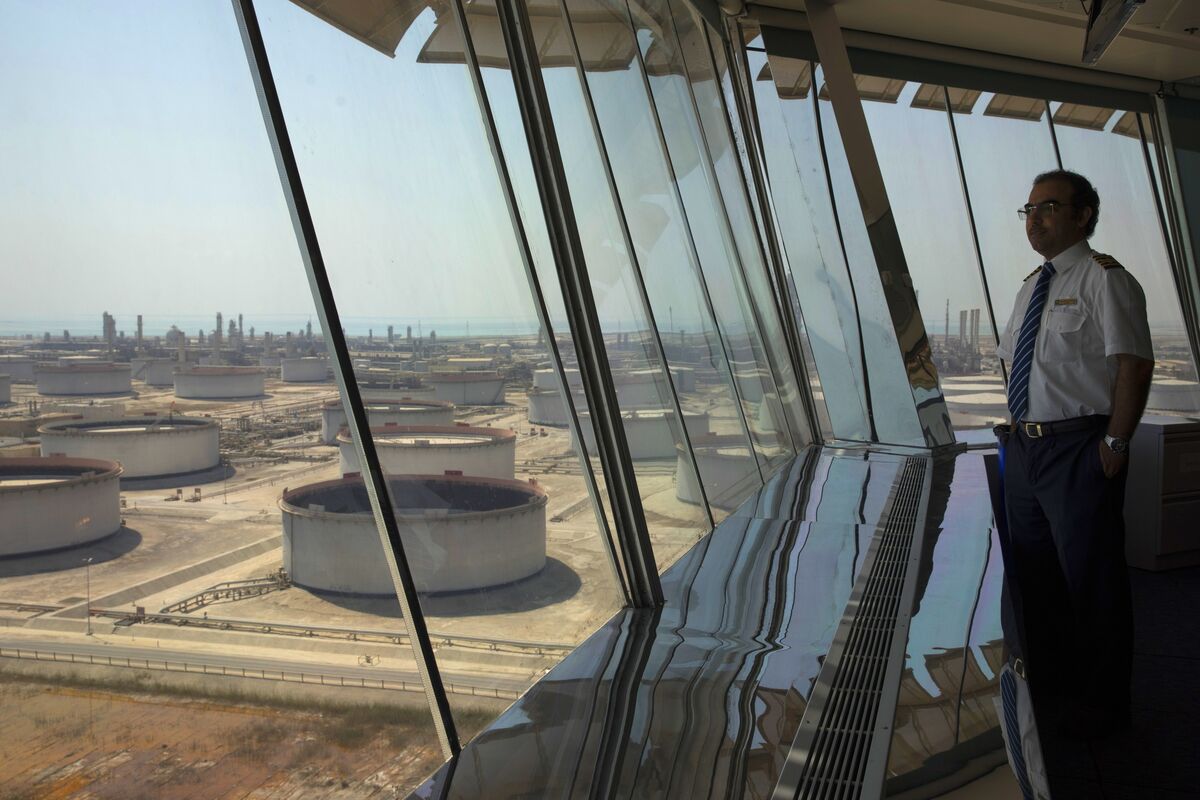
- Saudi Arabia’s budget deficit widens in the first quarter to the highest level since 2018.
- Sources link the wider deficit to disruptions tied to the Strait of Hormuz being effectively closed.
- The closure forces Saudi Arabia to reduce oil exports, cutting oil-related revenues.
- Government spending, including on economic diversification projects, continues to rise.
- Al Jazeera reports the deficit at $33.5 billion, while Bloomberg describes it as the largest since 2018.
Kingdom announces sharp rise in budget shortfall amid the effective closure of the Strait of Hormuz.
3 months agoSaudi Arabia’s fiscal deficit widened in the first quarter to the highest level since 2018 as the closure of the Strait of Hormuz forced it to reduce oil exports and spending on projects to diversify the economy continued to rise.
3 months ago
KOSPI swings on Iran hopes and semiconductor sentiment as traders reassess gains
South Korean stocks trade higher and lower in sharp intraday moves as investors react to shifting signals from global ma...

Omnicom Group reports Q2 2026 results amid ongoing performance and outlook updates
Omnicom Group Inc. reports its Q2 2026 results through an earnings call and associated presentation, with management out...

U.S. disrupts Chinese hacking operation targeting DOJ, NASA, Federal Reserve and Senate
The United States says it has disrupted a Chinese-linked hacking operation that compromised or attempted to compromise U...