


Two outlets report new research showing that deep-sea sponges survive in conditions with no sunlight. The studies focus on life in the ocean’s “dark ocean” or deep abyss, where organisms cannot rely on photosynthesis and must instead obtain and reuse limited resources. The reporting emphasizes that, contrary to common assumptions that marine life depends largely on the sunlit, nutrient-rich environments near the surface, some sponges continue to live and persist despite total darkness. The articles describe deep-ocean survival as a problem of resource recycling and energy efficiency, since nutrients and organic matter are scarce and must be continually repurposed. While the outlets provide different framing, they converge on the same core finding: sponges can remain viable in complete darkness and do so through strategies suited to an environment without light. The coverage positions the work as expanding scientific understanding of how sponge ecosystems function in the deep sea, where food availability and ecological conditions differ sharply from those in coastal reefs and other sunlit habitats.
Study finds deep-sea sponges can thrive in complete darkness
Two outlets report new research showing that deep-sea sponges survive in conditions with no sunlight. The studies focus on life in the ocean’s “dark ocean” or deep abyss, where organisms cannot rely o...
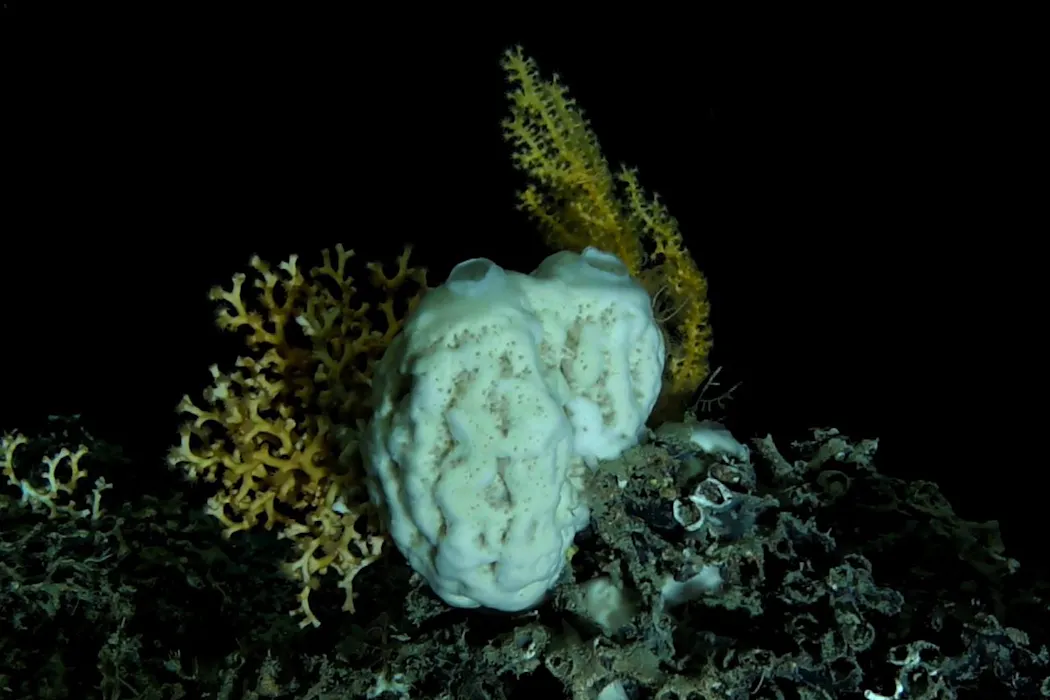
- Research reports deep-sea sponges living in complete darkness.
- The findings address survival in the ocean’s deep, lightless environment.
- Because there is no photosynthesis, organisms must rely on limited available resources.
- Coverage emphasizes nutrient recycling and efficient use of organic matter in the deep sea.
- The studies broaden understanding of sponge biology and deep-ocean ecosystem function.
When we think of marine life, we usually picture colorful coral reefs or dense seaweed forests filled with fish and other critters. The ocean that comes to mind is the one touched by sunlight.
2 months agoBeyond the sunlit ocean lies a vast abyss where organisms have to recycle every scrap available.
3 months ago
Developers use routing and open-model APIs to cut AI inference costs and reduce lock-in risk
Developers writing about production AI use emphasize that costs and reliability problems increasingly come from how mode...

Minnesota sues Texas Gov. Abbott to force extradition of ICE agent facing assault charges
Minnesota sues Texas Gov. Greg Abbott to require the extradition of an Immigration and Customs Enforcement (ICE) agent w...

Victorian premier moves to scrap secret $8 billion public transport fare levy
The new Victorian premier moves to scrap a secret public transport fare levy worth $8 billion after it is revealed by th...