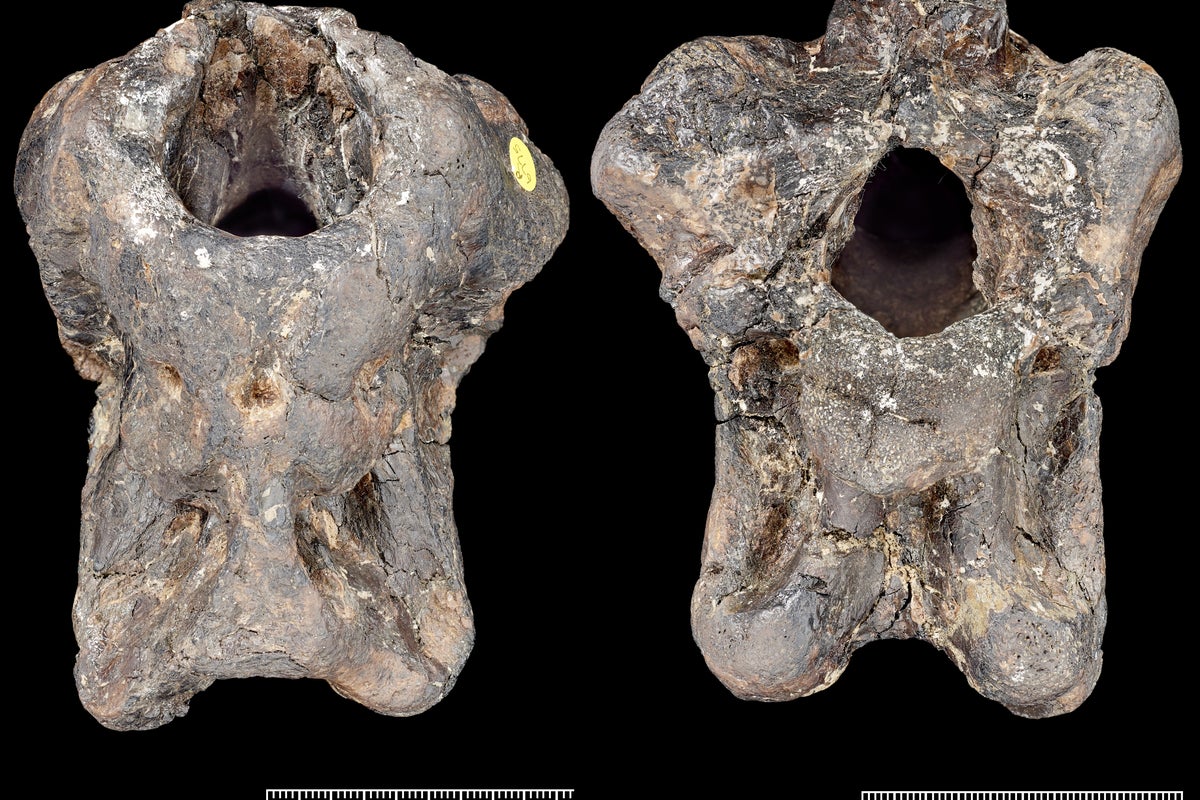
Scientists identify a new dinosaur species from a partial skull found on England’s Isle of Wight. The fossil comes from strata dated to roughly 120 million years ago, when the area was part of an ancient coastal environment. The discovery is based on the skull’s anatomical features, which researchers say help clarify where the animal fits among related theropod predators.
Across coverage, outlets describe the dinosaur as a large, fast-running meat-eater and link it to an “enigmatic” group of predators known for likely hunting strategies involving massive hand claws. Reuters-style reporting emphasizes how the skull provides insight into the group’s characteristics, while other outlets focus on the announcement that a distinct species has been identified from the remains. The reporting also notes the fossil’s partial nature, meaning conclusions rely on what can be reconstructed from the available cranial material.