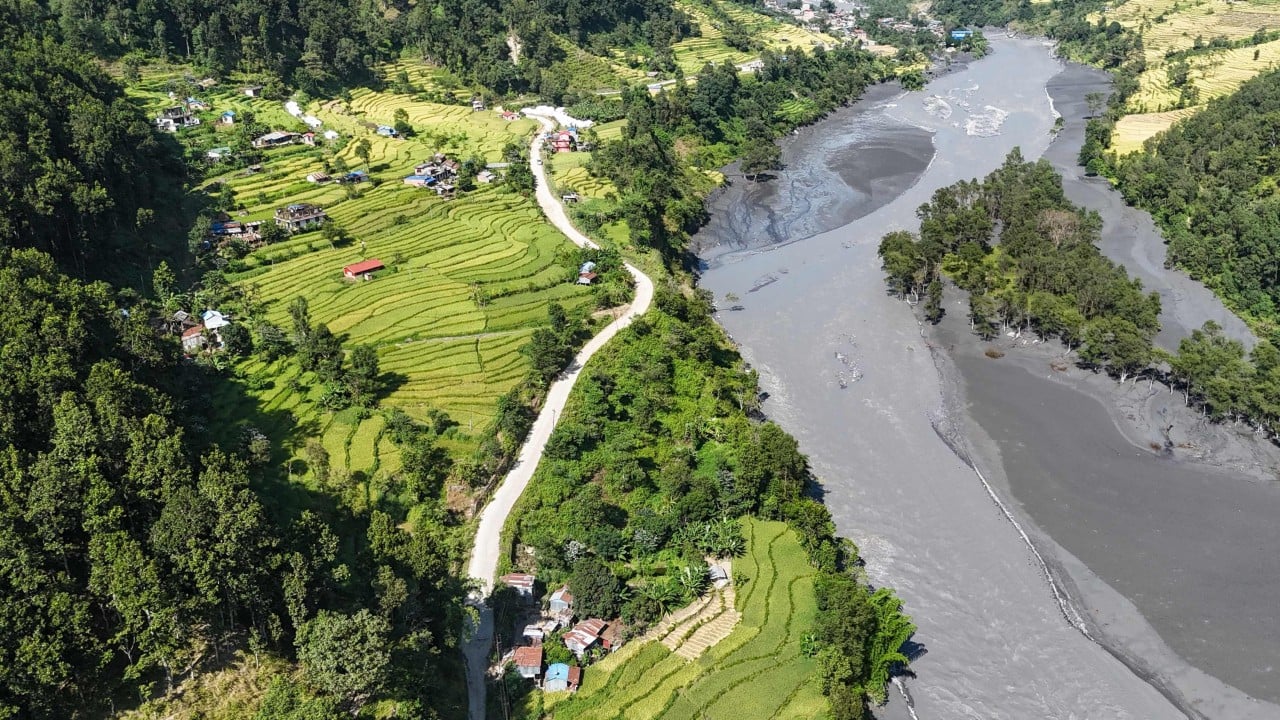
Nepal is dealing with a rapid sequence of disasters, with a recent flash flood linked to a rock-and-ice avalanche near the Nepal–Tibet border. Reporting cites the country’s disaster authority, which says the avalanche triggers flooding in the affected river system, echoing the mountain collapse that caused a tsunami-like wall of water on Aug. 26.
That Aug. 26 event is described across outlets as releasing water through the Bhotekoshi and Trishuli rivers after an avalanche near the border. The death toll reported in coverage is more than 1,400–1,450 people, with thousands still missing—figures that differ slightly by outlet. Additional landslides and flooding events follow within a six-week span, raising concerns about the wider impacts on communities and infrastructure.
Some reporting emphasizes the broader pattern of monsoon-related hazards and warning voices from experts that climate change is worsening conditions, contributing to extreme rainfall and instability in already vulnerable terrain. Other accounts focus primarily on the immediate cause-and-effect between the avalanche and the flash flood, citing official assessments.