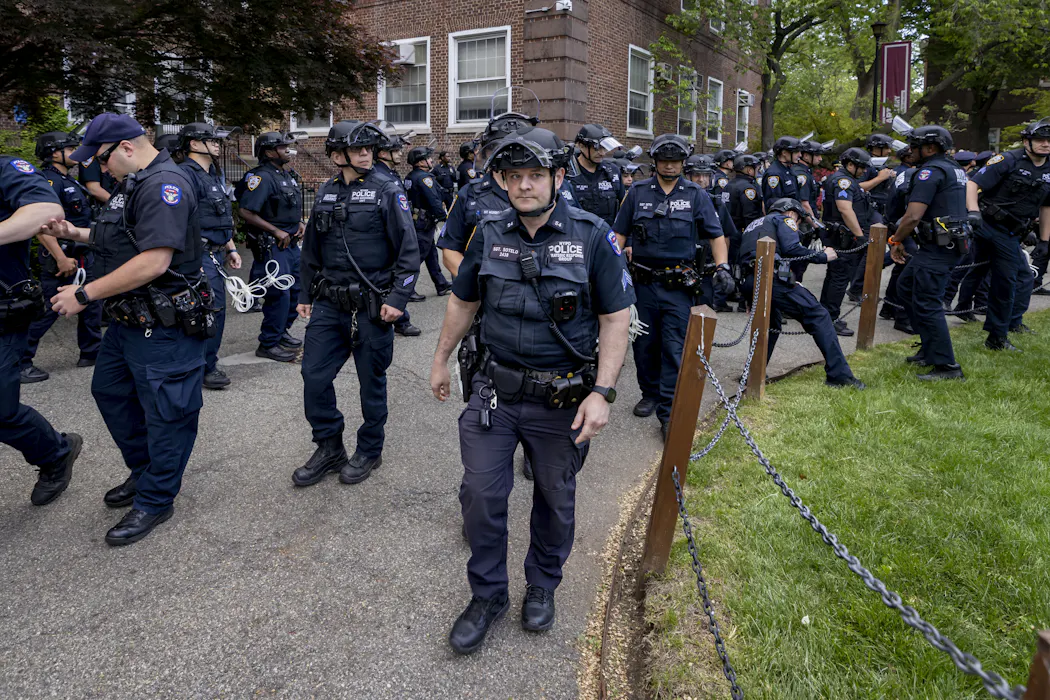
Two outlets discuss what they describe as a broad, lasting chilling effect on free expression linked to actions taken during the Trump era. The Conversation argues that punitive measures and related enforcement approaches generate fear, discouraging people from speaking or taking part in protest and debate. It frames this as a deliberate strategy that extends beyond universities, affecting public life rather than staying confined to campus settings. Salon similarly contends that the impact is felt “well beyond” campus walls, describing a wider erosion of free speech norms as individuals anticipate consequences for expressing dissenting views or criticizing authority.
While the articles differ in framing—one emphasizing the democratic and societal implications and the other focusing on the reach beyond university grounds—they converge on the central point that government-related measures and the prospect of punishment can deter speech. Both present the chilling effect as an outcome of policy and enforcement dynamics, not limited to academic institutions, and they emphasize that the consequences extend into broader civic and public arenas.