India’s Ramsar-designated wetland network grows as two additional sites—Sukhna Wetland in Chandigarh and Sauj Jheel in Uttar Pradesh—are announced to have joined the global list. Union Minister Bhupender Yadav says the country’s total Ramsar sites now stands at 103, following the formal announcement on Thursday.
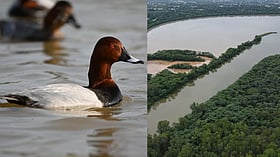
Sukhna Lake is described as an artificial wetland in Chandigarh, created in 1958 and valued for habitat and biodiversity, including resident and migratory birds, as well as roles such as groundwater recharge and ecological balance. Sauj Jheel is identified as a wetland in Uttar Pradesh’s Mainpuri district. Outlets also note that, despite their ecological importance, wetlands face pressures such as urbanisation and pollution and changing water levels.
Across the reports, the main emphasis is on the Ramsar Convention—an international treaty for conserving and sustainably using wetlands—and the environmental, climate and livelihood benefits the designation is expected to support. One outlet advises confirming the inclusion against an official Ramsar announcement before publication.