


Multiple outlets describe how holding a weak passport changes the experience of international travel. The accounts emphasize that travelers typically need to spend more time and money before a trip even begins, largely because visas may be required for destinations that are easier to access for holders of stronger passports. Stories highlight that visa processes can involve planning months in advance, with additional paperwork and uncertainty built into the lead-up to travel. Beyond administrative steps, the articles note that the need to comply with stricter entry requirements can add friction at borders, where travelers may face more scrutiny and longer procedures. The Conversation also frames these challenges as a question of dignity and everyday impact, describing that the extra effort required to secure travel authorization and successfully enter other countries can shape how people feel treated throughout the travel process. Together, the sources present a consistent picture: a weak passport does not only affect itinerary planning, but also increases the logistical burden and financial cost of crossing borders, often well before departure.
Travelers with weak passports face extra costs and delays for visas and border entry
Multiple outlets describe how holding a weak passport changes the experience of international travel. The accounts emphasize that travelers typically need to spend more time and money before a trip ev...
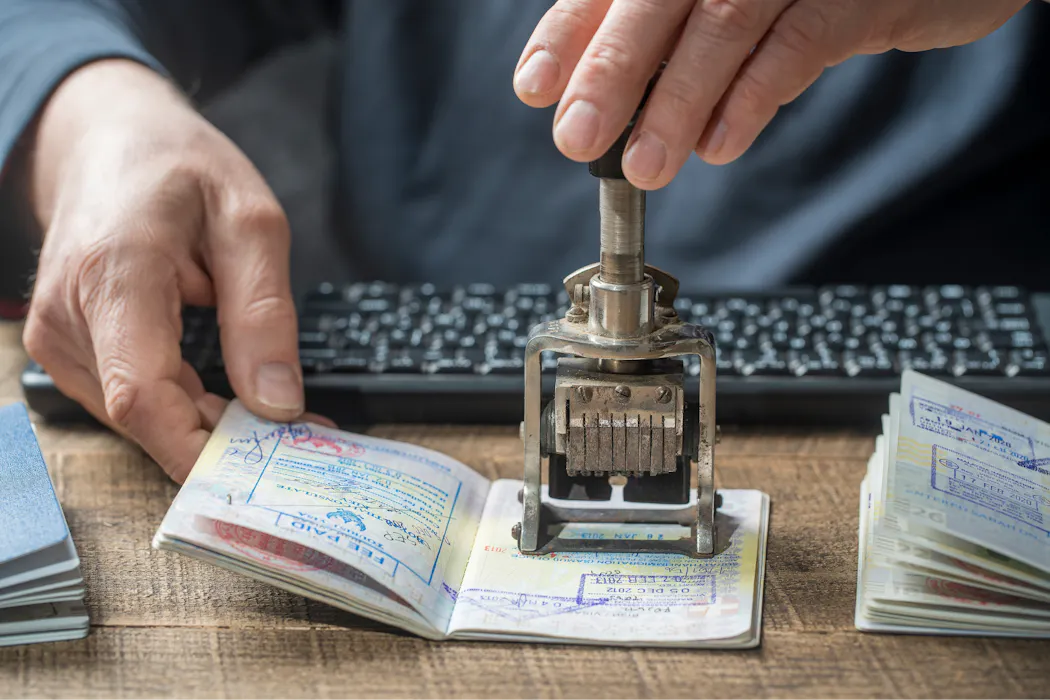
- Travelers with weaker passports often face higher travel costs.
- Visa requirements can require significant planning, sometimes months in advance.
- The visa application process involves more effort and time than for stronger-passport holders.
- Stricter entry requirements can lead to increased scrutiny and friction at borders.
- Overall, having a weak passport can affect travelers’ sense of how they are treated.
Travelling with a weak passport is costly and time-consuming. Before a holiday even begins, tourists with a weak passport navigate visa applications months in advance
2 months agoTravelling with a weak passport requires more effort, time and money.
2 months ago
NAICOM revokes Universal Insurance’s licence and appoints receiver; firm sues
The National Insurance Commission (NAICOM) revokes Universal Insurance Plc’s operating licence and cancels its registrat...

UN and Red Cross urge bans and restrictions on autonomous 'killer robot' weapons
The United Nations and the International Committee of the Red Cross (ICRC) step up their joint call for countries to ado...
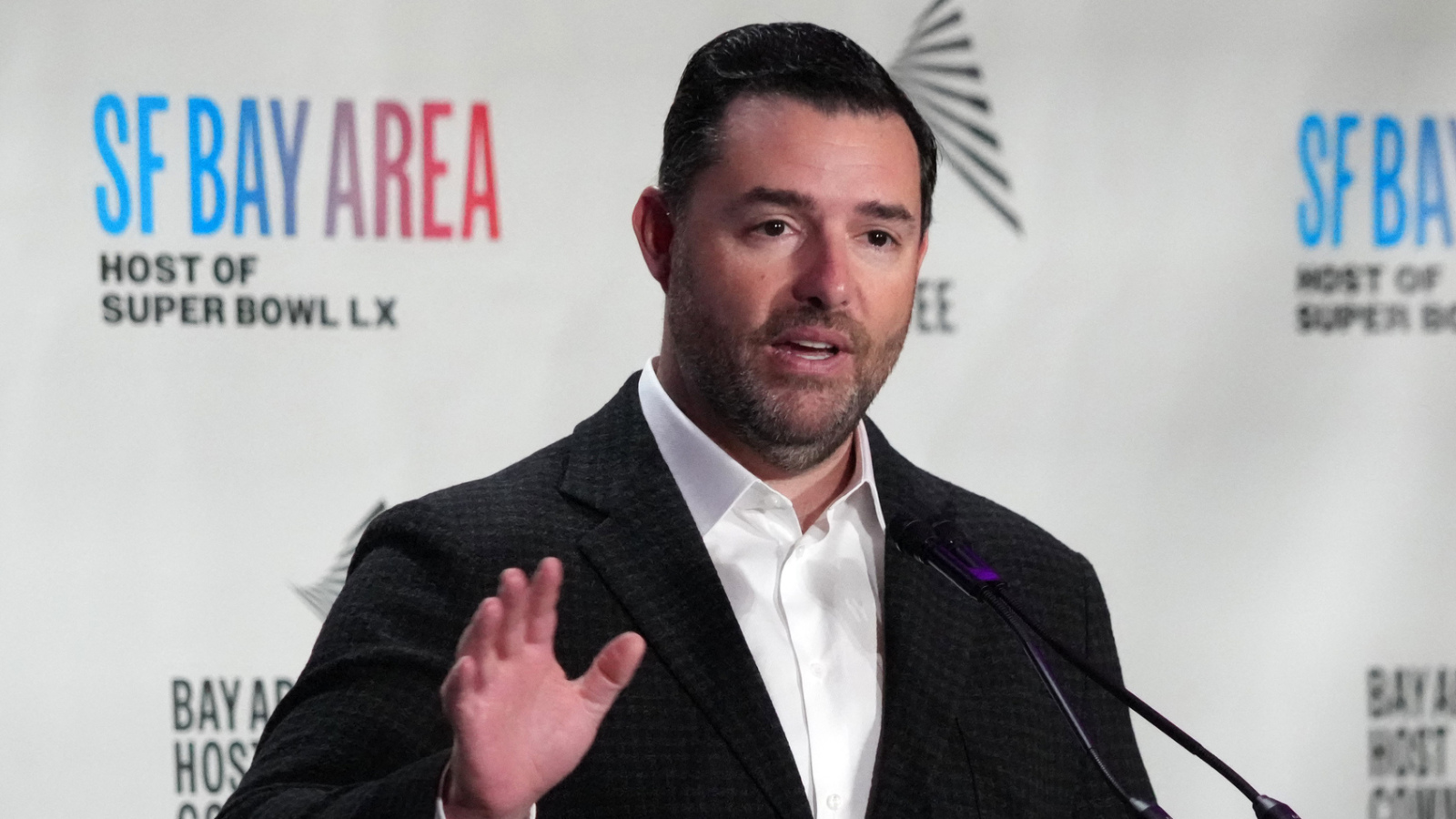
49ers owner Jed York arrested in Ohio prostitution sting; NFL punishment possible
San Francisco 49ers owner and CEO Jed York is arrested in Ohio following an alleged prostitution sting and pleads no con...