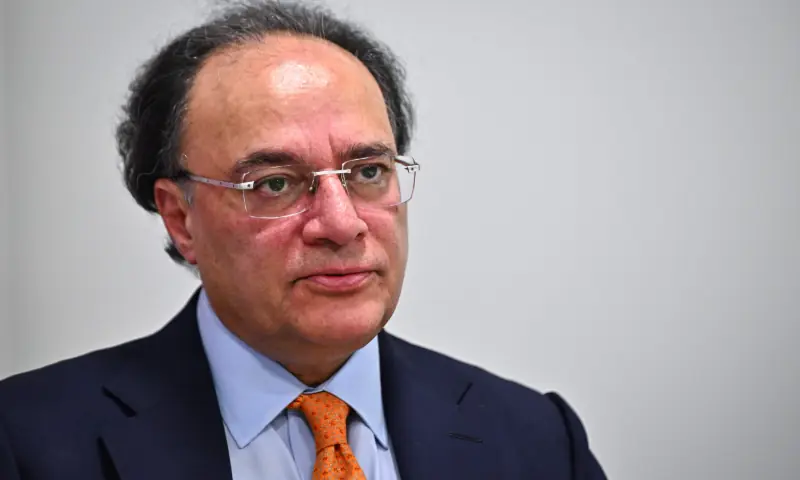
Pakistan’s finance minister, Muhammad Aurangzeb, tells AFP that the country has so far coped with higher energy prices linked to the US-Israeli war on Iran, but warns that continuing attacks on energy infrastructure in the Gulf are “worrying” for Pakistan’s longer-term outlook.
Aurangzeb says Pakistan has procured enough energy supplies to last through November and is now preparing for winter when household demand typically rises. He adds that Pakistan has seen no shortages or queues at gas stations and no wider disruption to law and order. He also says the government would only seek expensive spot LNG cargoes if there is an “absolute dire need.”
Outlets cite that global energy prices have surged since February as supply disruptions and retaliatory actions affect Gulf producers and transit routes. Multiple reports point to attacks tied to Yemen’s conflict, including Houthi strikes on Saudi energy facilities and airports, saying damage to such sites could postpone a return to economic normalcy even if tensions later ease.
In related comments at the IMF-World Bank Annual Meetings in Bangkok, Aurangzeb discusses Pakistan’s fiscal consolidation efforts under IMF programmes, including reform and tax enforcement measures, and the progress of recent reviews tied to potential IMF disbursements.