Brazil’s presidential runoff is set to decide whether conservative candidate Flávio Bolsonaro can defeat incumbent Luiz Inácio Lula da Silva, with potential implications for Brazil’s policies and its relationship with the United States.
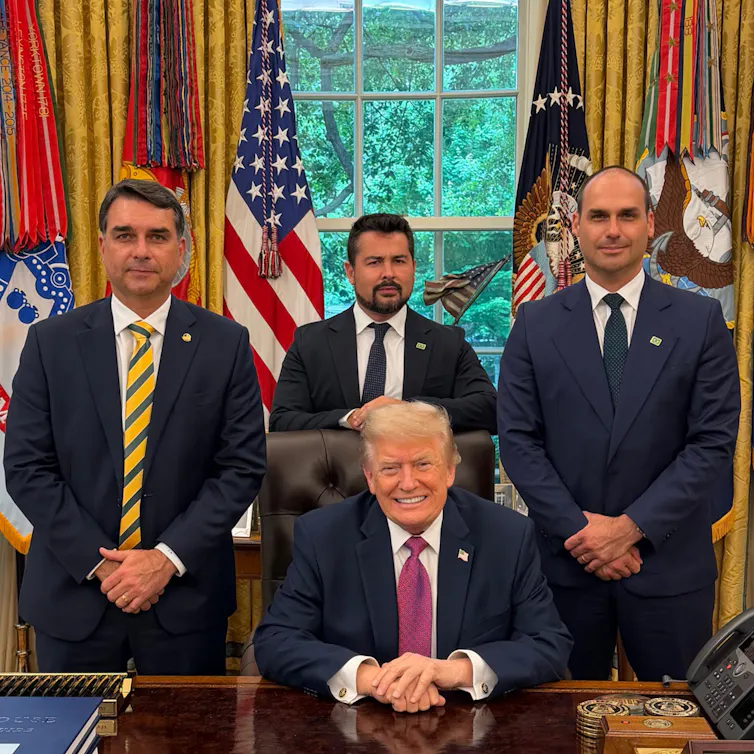
Some coverage frames the stakes in broader geopolitical terms, suggesting a Bolsonaro win could affect Brazil’s ability to act as a regional counterweight in the Americas. Other reporting emphasizes U.S.-aligned expectations, pointing to Trump’s support for Bolsonaro and the possibility that Brazil’s natural resources—specifically rare earths—could move closer to Washington’s interests. Additional context from one source links the potential policy direction to longer-term debates about Brazil’s economic model.
Across the outlets, the differing emphasis is whether the key story is Brazil’s role in regional resistance to external political influence or the prospect of stronger ties with the U.S. and greater integration of strategic resources with Washington. Both accounts treat the election result as a turning point for Brazil’s direction and international posture.