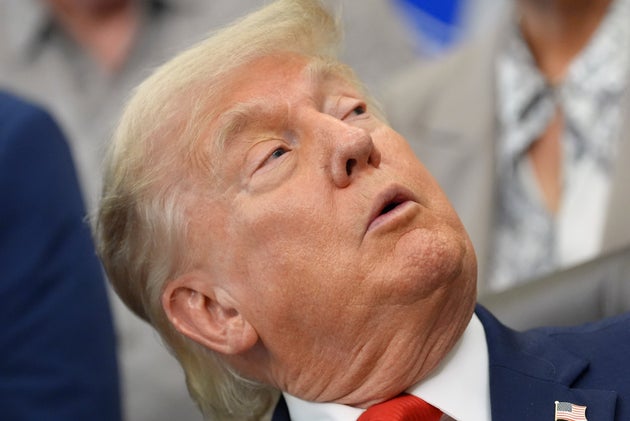
The United States and Iran reach a framework arrangement to end their war and reopen the Strait of Hormuz, according to reporting that the deal is intended to be signed later this week. The ceasefire already in place since April is described across outlets as fragile, with further strikes and retaliations occurring even as negotiations proceed. BBC experts Jeremy Bowen and others argue that the conflict began with what they call flawed assumptions and that the US has struggled to manage the consequences, including the economic shock from Iran’s effective closure or constriction of the Strait of Hormuz, which affects global oil shipping.
Bowen and a former US ambassador, David Satterfield, say reopening the waterway will take time and cannot rely on simply resuming shipping because it involves security risks such as mines and longer-term issues around how oil is produced. They also note that the nuclear track is not fully resolved, with nuclear issues deferred into further talks. Additional reporting highlights internal US political pressure, including a House vote requiring congressional approval for further operations, and points to Israel’s strikes and Netanyahu’s decisions as complicating Trump’s efforts to keep negotiations on track. Reports also say Iran seeks sanctions relief and discussion of releasing frozen Iranian assets.