


A psychologist writing for Phys.org and The Conversation discusses why some people report seeing ghosts, arguing that the mind can make paranormal experiences more likely under certain conditions. Both pieces note that surveys suggest about one in five Americans say they have seen a ghost. The psychologist links these reports to normal cognitive processes that help people find meaning, especially when information is incomplete. When situations include ambiguous stimuli—such as unusual lights, sounds, or perceptions—or when a person is in a state that affects attention and interpretation (for example, fatigue or high expectation), the brain may fill in gaps and form a coherent explanation. The articles also emphasize that misinterpretations do not require any supernatural cause: perception and memory can be shaped by prior beliefs, social influences, and the brain’s pattern-detection systems. In this framing, “paranormal” experiences can arise from how people interpret uncertainty, rather than from direct evidence of ghosts or other entities.
Psychologist explains why some people may interpret ambiguous events as paranormal
A psychologist writing for Phys.org and The Conversation discusses why some people report seeing ghosts, arguing that the mind can make paranormal experiences more likely under certain conditions. Bot...
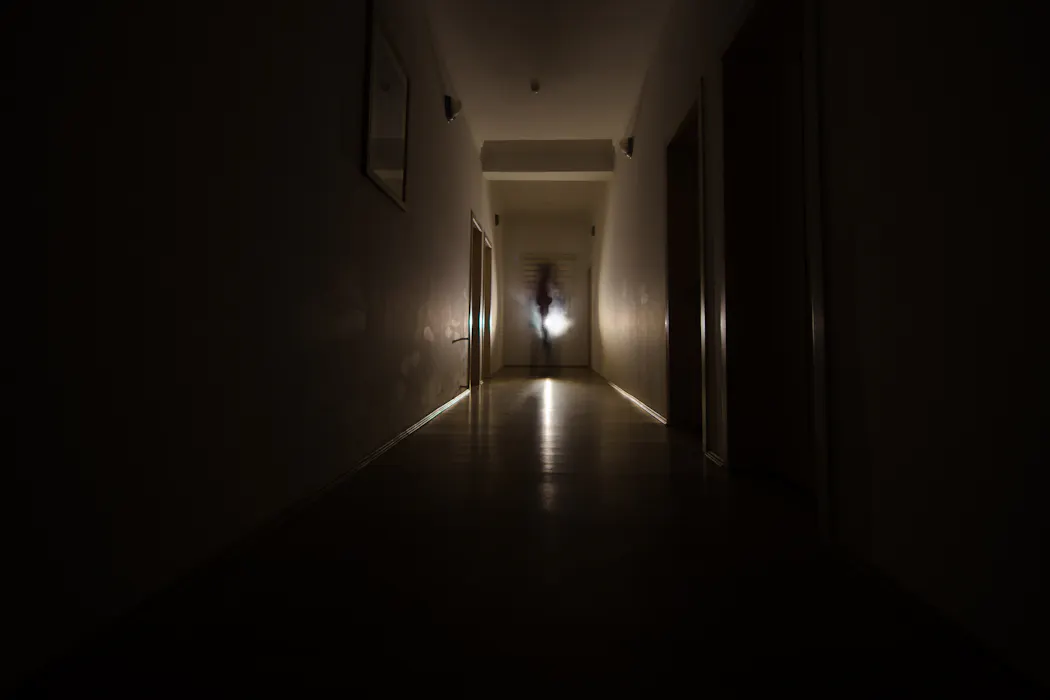
- Around 1 in 5 Americans report having seen a ghost, according to survey data cited in both articles.
- Both pieces argue that the human mind seeks meaning in ambiguous situations.
- They describe the interpretation of uncertain external cues as a potential pathway to reported paranormal experiences.
- Both sources link ghost reports to psychological factors such as perception, attention, and expectation.
- Neither article presents direct evidence that ghosts are real; instead, they focus on cognitive explanations for why such experiences occur.
Around 1 in 5 Americans say they've seen a ghost. I'm not one of them, and I probably never will be. I blame my brain.
3 months agoThe human mind is always searching for meaning in ambiguity. Could misinterpretations of the external world create the experience of the supernatural?
3 months ago
Met Office warns of heavy rain and thunderstorms across multiple UK counties
The Met Office issues weather warnings for several parts of the UK, with forecasts across multiple days pointing to heav...
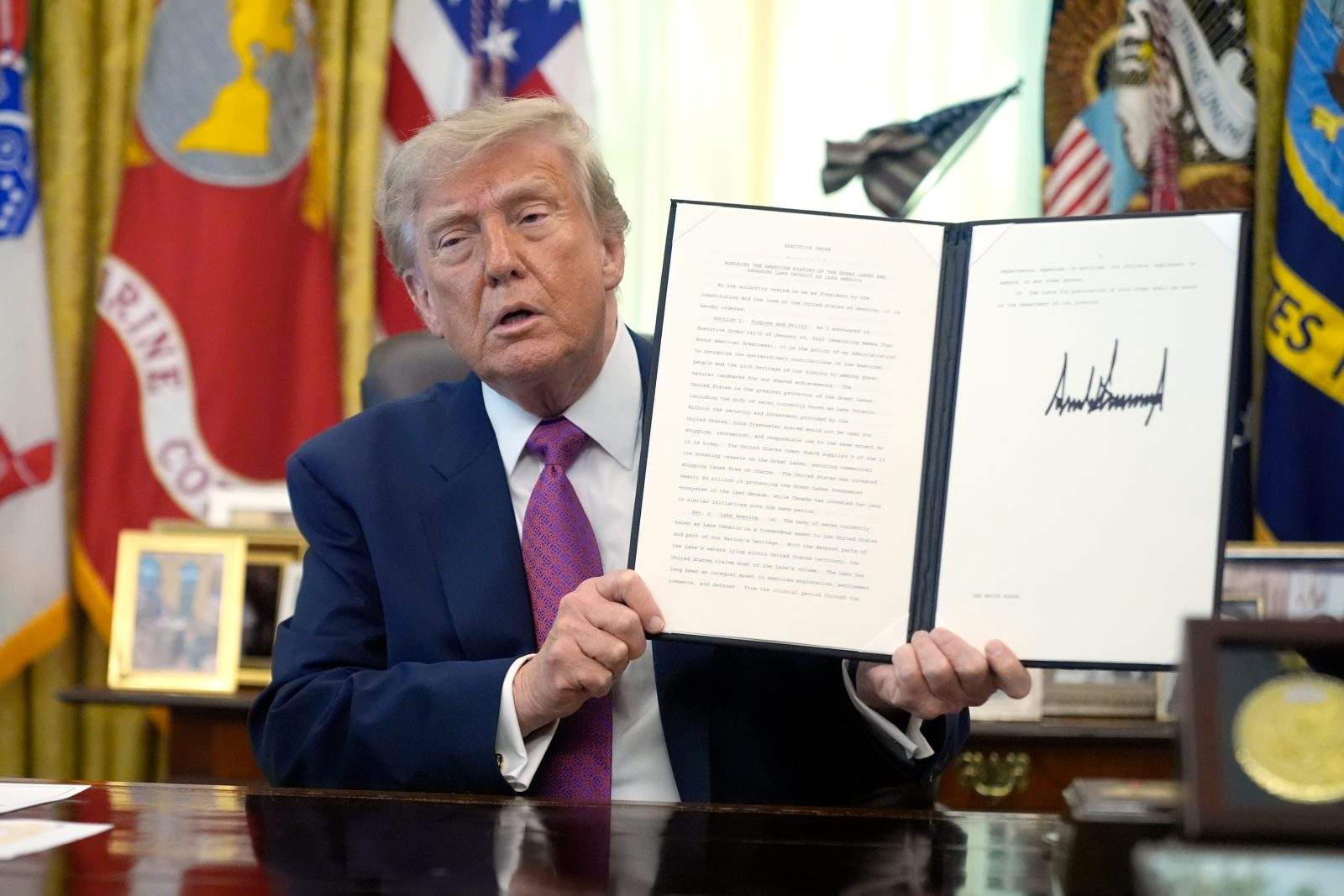
Indigenous leaders condemn Trump executive order renaming Lake Ontario to Lake America
U.S. President Donald Trump signs an executive order to change the name of Lake Ontario to “Lake America,” prompting con...

Tennessee officials consider renaming Nashville International Airport for Dolly Parton
Nashville International Airport is the subject of a proposed name change to honor country music star Dolly Parton, follo...