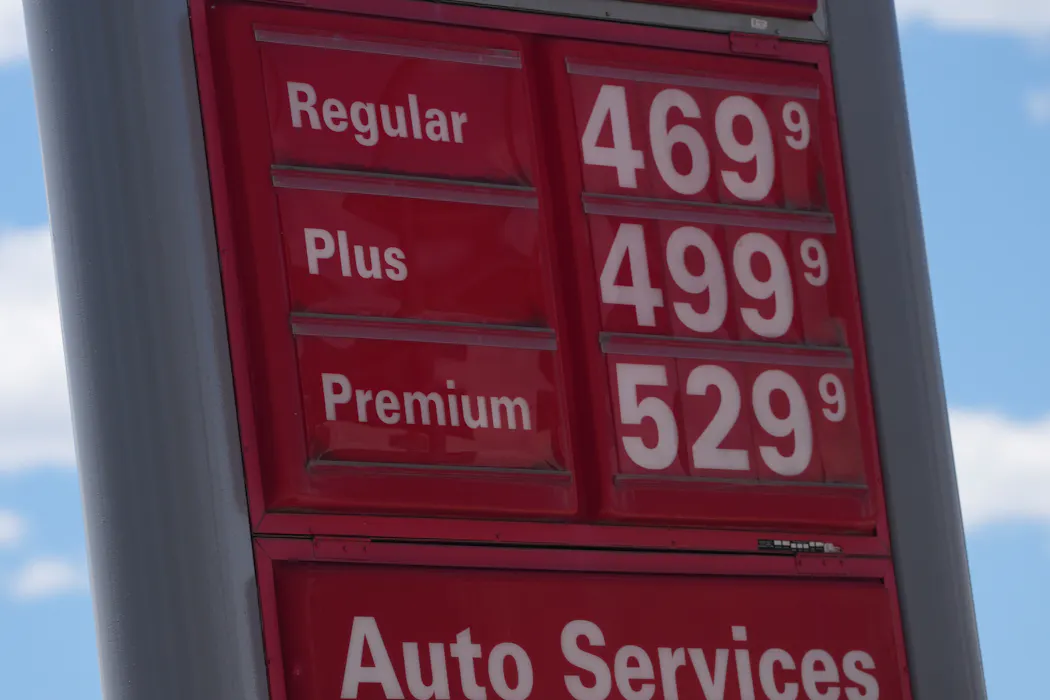
Several outlets report that inflation pressure is becoming broader across the United States, beyond gasoline prices alone. They describe how higher gas prices contribute to inflation directly by raising transportation and energy-related costs. At the same time, the same gas-price increases reduce households’ real spending power, which can limit consumer demand and weaken overall economic activity.
The combined effect is presented as a challenge for the Federal Reserve. On one hand, persistent or spreading inflation would argue for continued restrictive monetary policy to keep prices under control. On the other hand, the reduction in household purchasing power and the potential dampening of growth complicate efforts to tighten further without increasing the risk of slower economic conditions.
Overall, the reporting emphasizes that gasoline-driven inflation effects can feed into wider economic categories through supply-chain and cost channels, while simultaneously creating headwinds for consumption and growth. The sources agree that this interaction is making the inflation outlook more difficult for policymakers to manage.