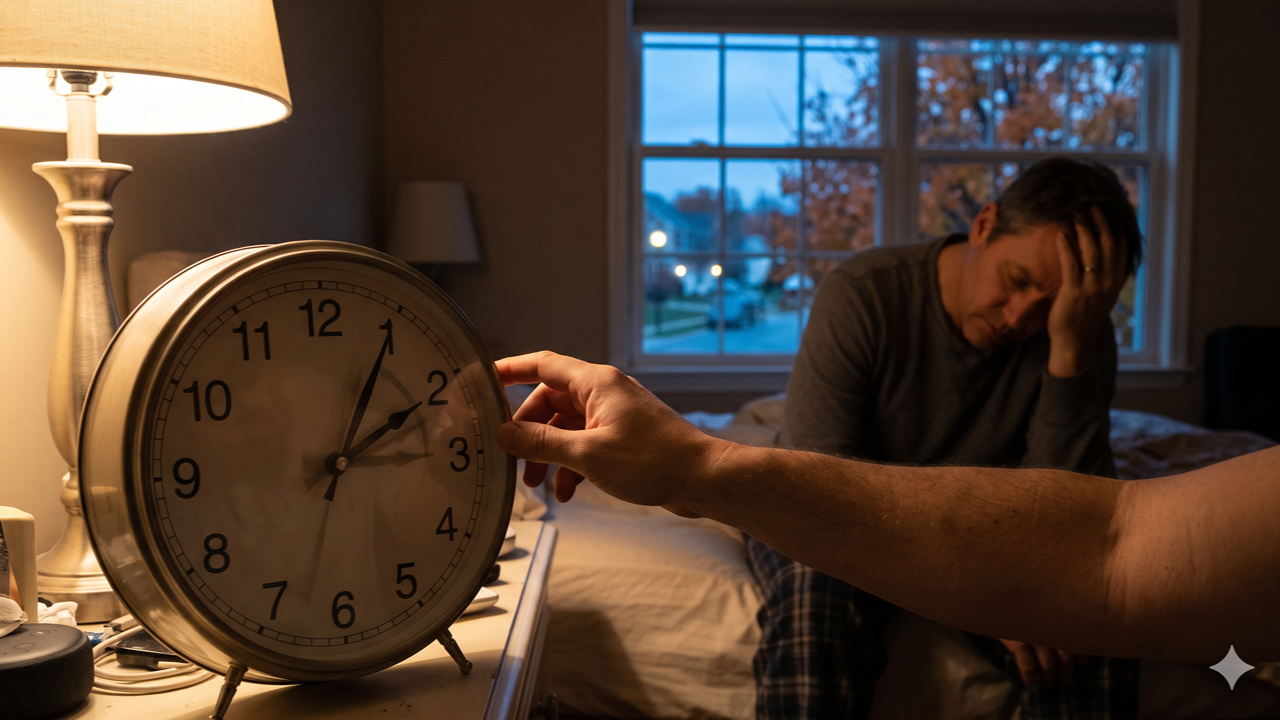
Daylight Saving Time for 2026 ends as clocks “fall back” by one hour, taking place on November 1 and bringing darker evenings while many people gain an extra hour of sleep. The change follows the twice-yearly pattern of switching time, with the next period continuing after the end of daylight saving.
Across outlets, coverage emphasizes the immediate effect on daily routines and the sleep implications of the transition. The Times of India and ABC News both reference the ongoing debate in Congress over whether daylight saving should become permanent rather than switched seasonally. Times of India adds that legislation to make the change permanent has stalled in the Senate despite bipartisan support in the House, and it notes public opinion tending toward standard time based on sleep-cycle concerns.
CBS focuses more narrowly on what the time change means for readers, describing that millions of Americans gain an hour of sleep when daylight saving ends.