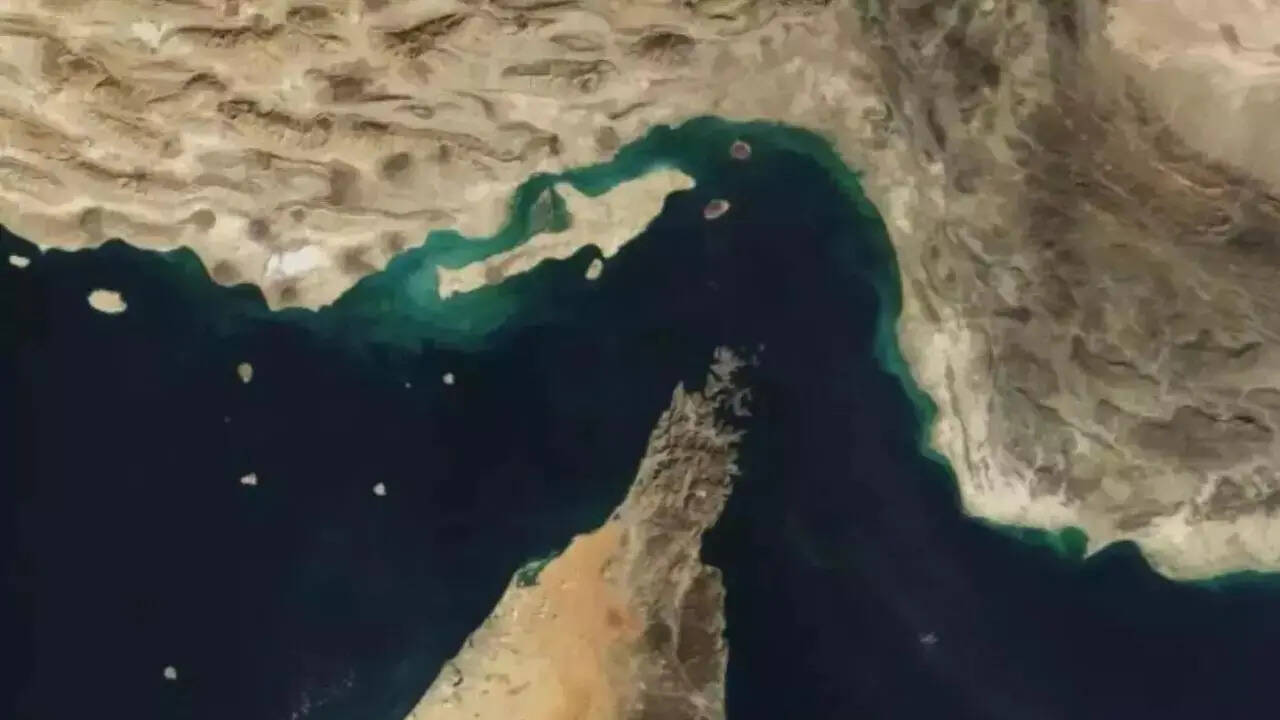
A London-based International Institute of Strategic Studies (IISS) report released ahead of the Shangri-La Dialogue security summit in Singapore argues that China’s most important maritime vulnerability lies at the Strait of Hormuz rather than the Strait of Malacca. The report, titled “Asia Pacific Regional Security Assessment,” says the Indian Ocean is re-emerging as a major strategic theatre after decades of relative calm since the end of the Cold War.
It links China’s exposure to its dependence on energy imports that move through Indian Ocean sea lanes connecting the Middle East and Asia. According to the report, this dependence makes the region central to Beijing’s security calculations and could also create opportunities for rival powers to exploit vulnerabilities in the event of conflict.
The study examines strategic competition around major maritime choke points and describes a shifting focus of competition into the Indian Ocean, involving multiple powers including China, India, France, and the United States. Both outlets describe the same core claim: that control or disruption of the Hormuz route would pose a more direct risk to China than disruption at Malacca.