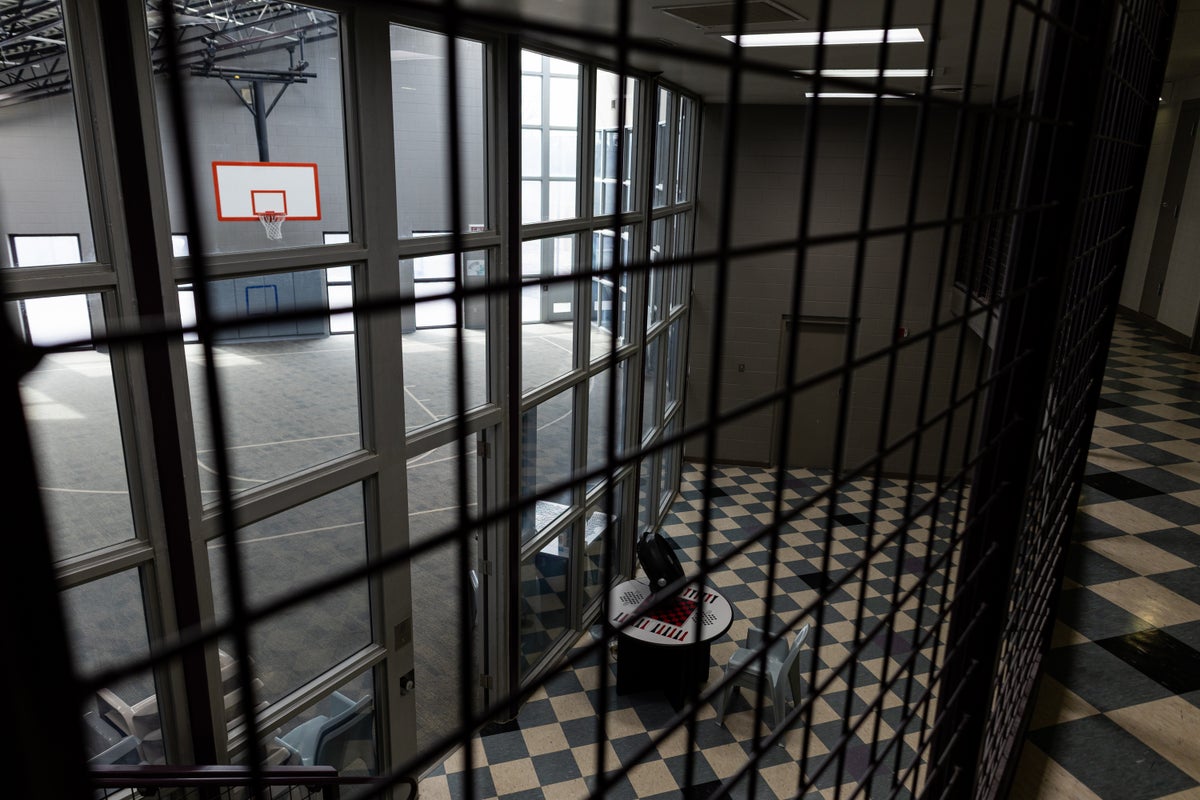
Multiple reports describe how some for-profit residential treatment centers operating in the “troubled teen” industry continue to receive taxpayer money linked to special education services, even amid oversight and public scrutiny. The outlets focus on facilities that market themselves as able to treat severe mental health and behavioral issues in children and teenagers. The reporting says these centers can obtain funds intended for students with disabilities by positioning services as part of special education support, including payments tied to a student’s educational needs while placed in residential care.
The accounts highlight the tension between the intent of special education funding and concerns raised about where the money ultimately goes, particularly when placements involve expensive residential programs run by private companies. Both sources indicate that the funding pathway remains active despite investigations and criticism, suggesting that administrative arrangements can allow continued payments while regulators and watchdogs evaluate practices, outcomes, and oversight.
The reporting does not conclude that all facilities engage in wrongdoing, but it emphasizes ongoing questions about transparency, accountability, and whether public funds are used as originally intended for eligible students.