


Multiple outlets report that light pollution is making Australia’s night sky less visible, so many residents see fewer stars than in the past. The articles say artificial lighting brightens the sky over cities and towns, washing out faint astronomical objects and reducing the overall “majesty” people can observe overhead. They also note that the issue extends beyond major urban centres: residents of some country towns experience similar skyglow as nearby towns and road networks expand lighting. The reporting frames the change as a loss of a common experience—often described as something people may have taken for granted—rather than as a single catastrophic event. Together, the sources emphasize that the problem is growing as lighting levels rise and that consequences include diminished opportunities for public stargazing and education. While the articles focus on the phenomenon itself, they broadly align on the core point: light pollution is reducing how much of the natural night sky Australians can see.
Light pollution dims Australia’s night sky, reducing visibility of stars
Multiple outlets report that light pollution is making Australia’s night sky less visible, so many residents see fewer stars than in the past. The articles say artificial lighting brightens the sky ov...
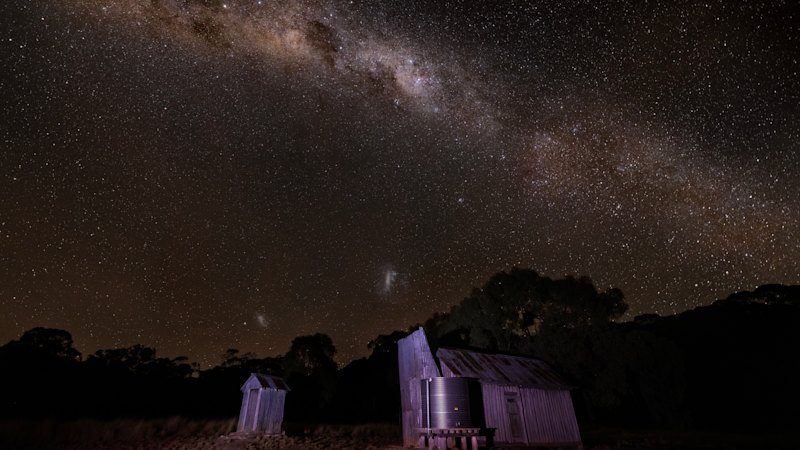
- Australian reporting links reduced star visibility to light pollution.
- Artificial lighting increases sky brightness over cities and towns.
- The effect can reach some rural and country areas, not just major urban centres.
- Residents are increasingly seeing fewer stars than before.
- The articles present diminished night-sky visibility as a widespread, growing issue.
Light pollution means city dwellers, and even residents of country towns, are increasingly missing out on the majesty above their heads.
2 months agoLight pollution means city dwellers, and even residents of country towns, are increasingly missing out on the majesty above their heads.
2 months agoLight pollution means city dwellers, and even residents of country towns, are increasingly missing out on the majesty above their heads.
2 months ago
Nepal and China warn of possible breach of barrier lake after Nepal-Tibet floods
Nepal and China issue new warnings about fresh flood risks following deadly flooding along the Nepal–China border. Autho...

“Wheel of Time” creator Rafe Judkins signs overall deal with Paramount Television Studios
Rafe Judkins, creator and showrunner of Amazon’s “The Wheel of Time,” signs an overall deal with Paramount Television St...
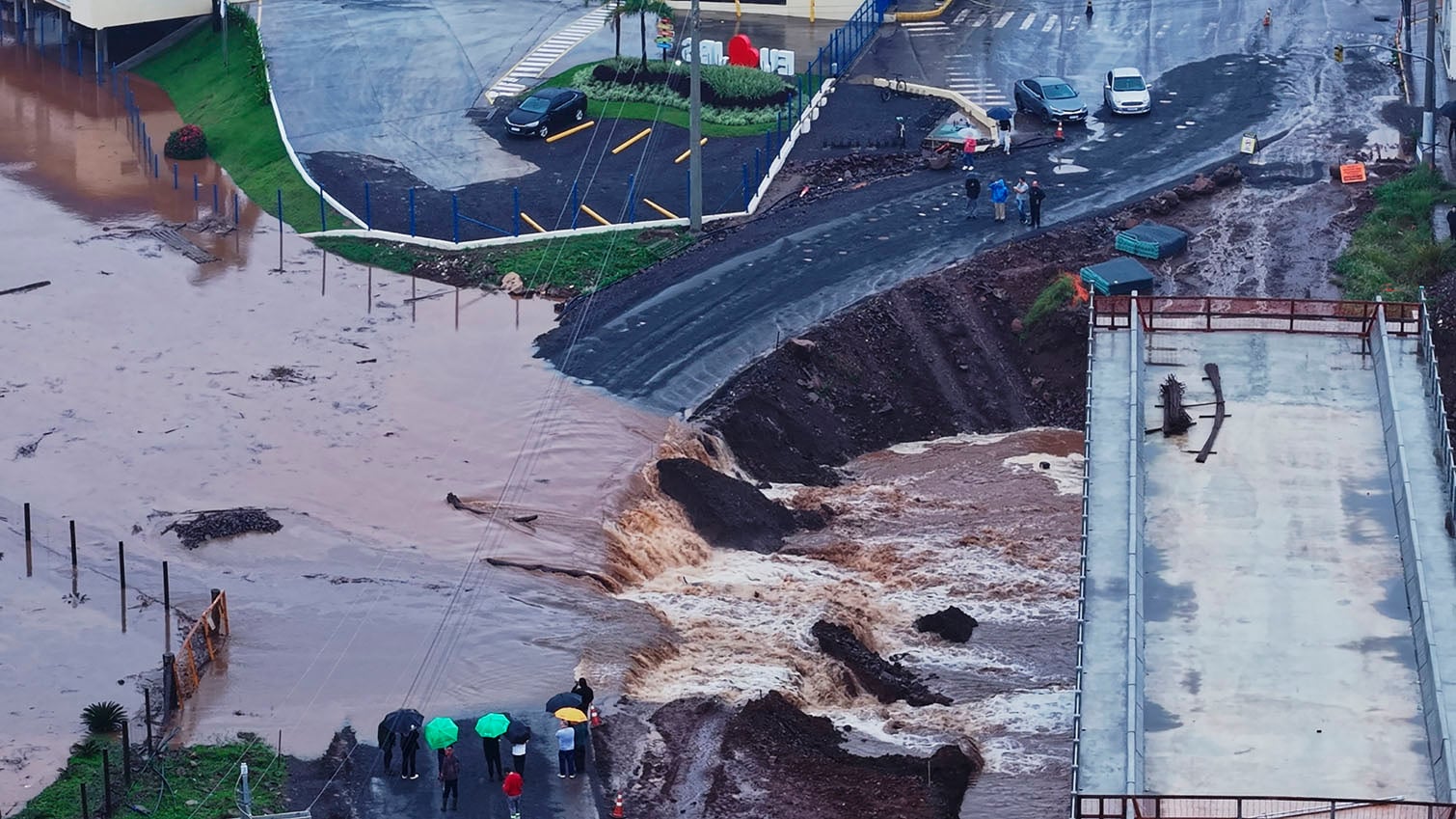
Citizen’s “24 hours in pictures” gallery compiles top news photos from around the world
The Citizen publishes periodic photo galleries titled “24 hours in pictures,” presenting a selection of news photographs...