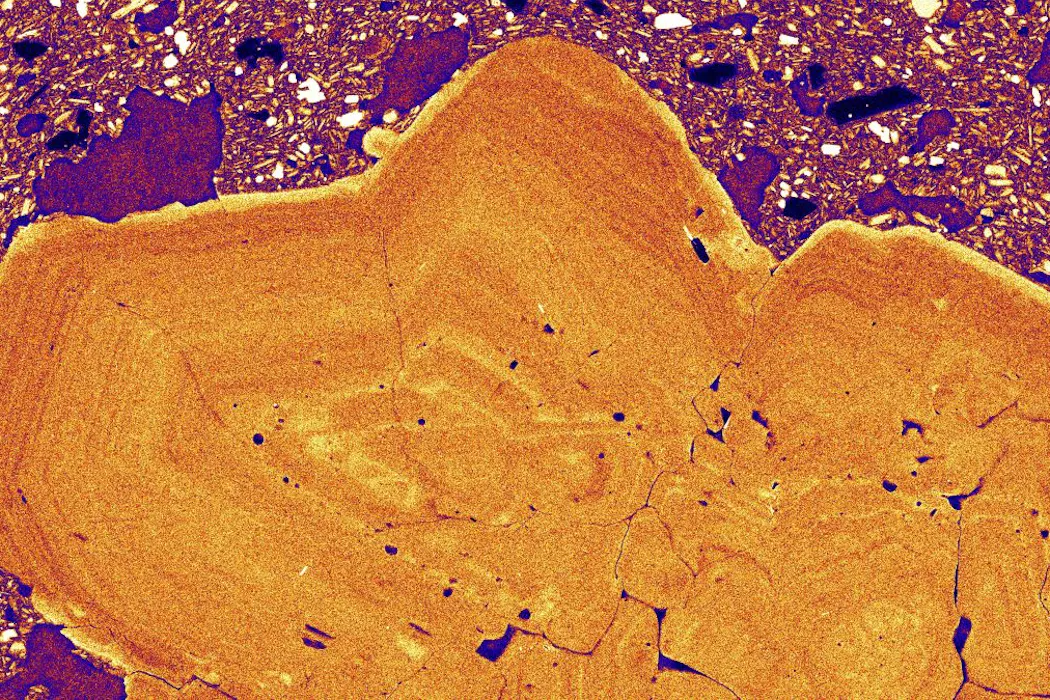
Researchers report that tiny crystals inside volcanoes can be used to learn about activity in the magma beneath them and potentially forecast when eruptions may occur. Two outlets highlight work examining plagioclase crystals from Tuzgle volcano, using advanced microscopy and chemical mapping to characterize crystal composition.
The Conversation and Phys.org both frame the findings as a “window” into processes occurring below the surface. They emphasise that changes or patterns in crystal chemistry can reflect conditions in magma and may be linked to how a volcano is able to erupt. While the outlets differ in emphasis, both focus on the same general idea: that mineral crystals offer measurable information that could improve understanding of volcanic behaviour. Context is provided through the research setting—University of Queensland involvement and the use of an Australian synchrotron facility for chemical analysis—underscoring that the approach relies on detailed, small-scale observations rather than surface-only monitoring.