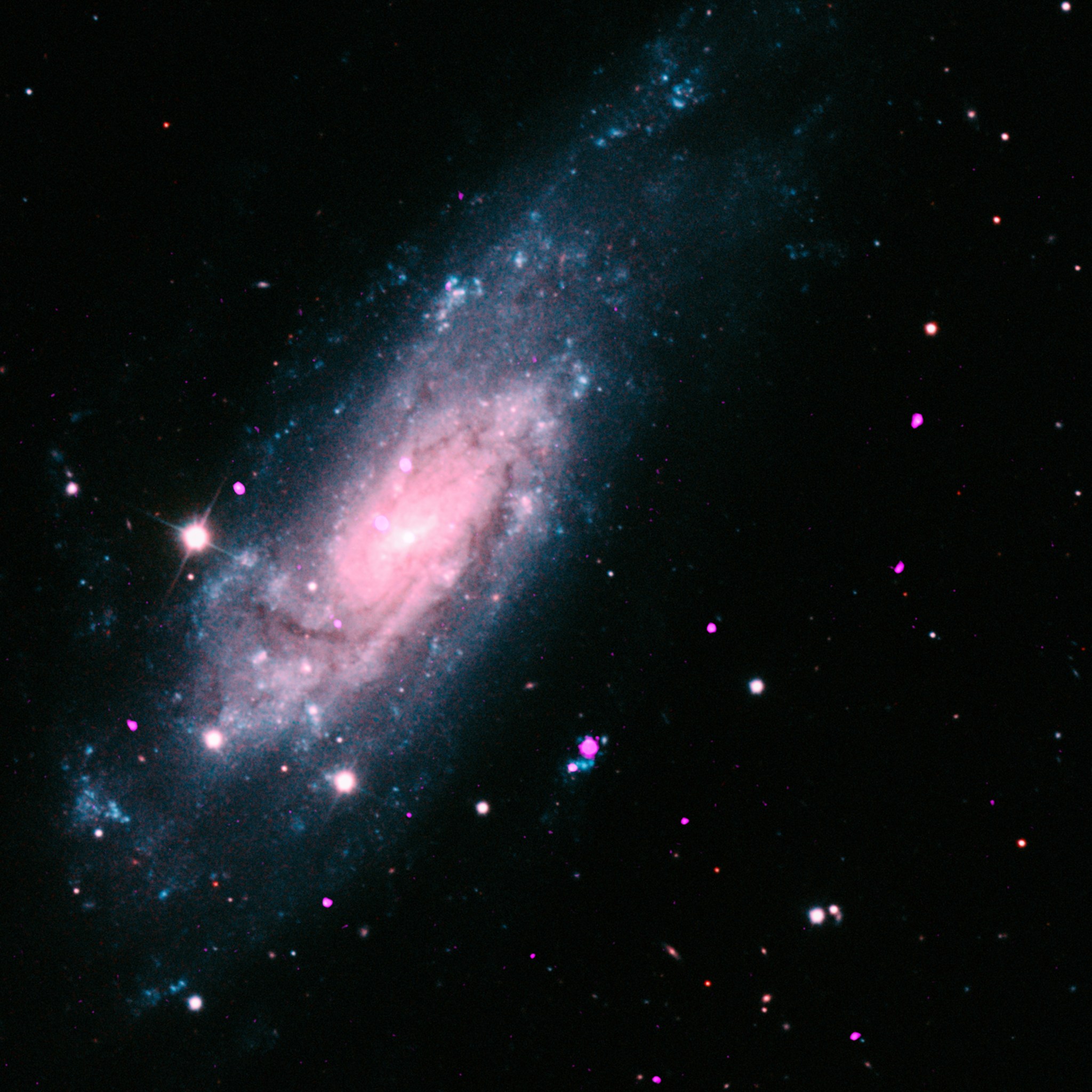
Astronomers using NASA’s Chandra X-ray Observatory identify what triggers repeated outbursts from an unstable massive star, AT 2016blu, in the spiral galaxy NGC 4559, about 30 million light-years away. The reports say the Chandra data reveal strong X-ray emissions associated with the star’s activity, pointing to an unseen object influencing the system.
Across outlets, the explanation centers on a hidden companion orbiting the star. Researchers propose the companion periodically draws in material from AT 2016blu, which helps drive recurring supernova-like eruptions rather than the star being completely destroyed. One source highlights a pattern in which the material capture and resulting bursts recur over a regular cycle.
The coverage also links the finding to broader astrophysics questions. Times of India notes potential implications for understanding ultra-luminous X-ray sources and aspects of stellar evolution, while other summaries focus mainly on Chandra’s detection and the companion-based mechanism. NASA and Phys.org emphasize the observational discovery that supplies the core context for the proposed cause.