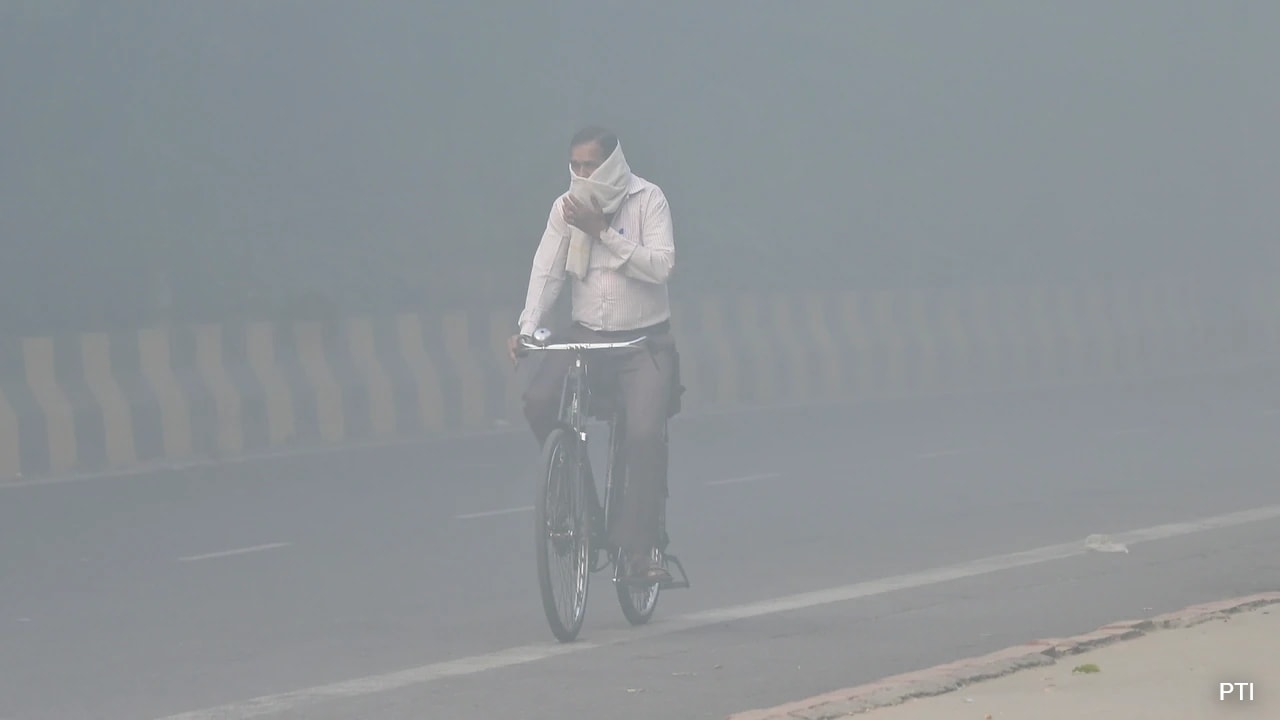
Delhi’s air quality deteriorates significantly during Diwali, with multiple reports describing exceptionally high PM2.5 readings and “very poor” air for residents. NDTV says Diwali is among the city’s most polluted days and cites a daily average PM2.5 concentration of 257 g/m. Times of India reports the air quality index peaks at 376 and describes the period as Delhi’s worst Diwali pollution in five years.
The coverage attributes the spike to firecracker smoke, along with emissions from vehicles and industrial discharges, made worse by cold weather. Times of India also offers practical guidance, urging residents to use N95 masks and improve indoor air with HEPA purifiers. NDTV frames the issue as a combination of “data blindspots” and weak rules, while The Hindu focuses more generally on smog lingering after Diwali with air quality remaining poor.
Across reports, the common thread is that hazardous particulate pollution occurs around Diwali and can persist afterward, raising health concerns. Differences lie mainly in how outlets quantify the peak and which specific neighbourhoods or advisory details they foreground.