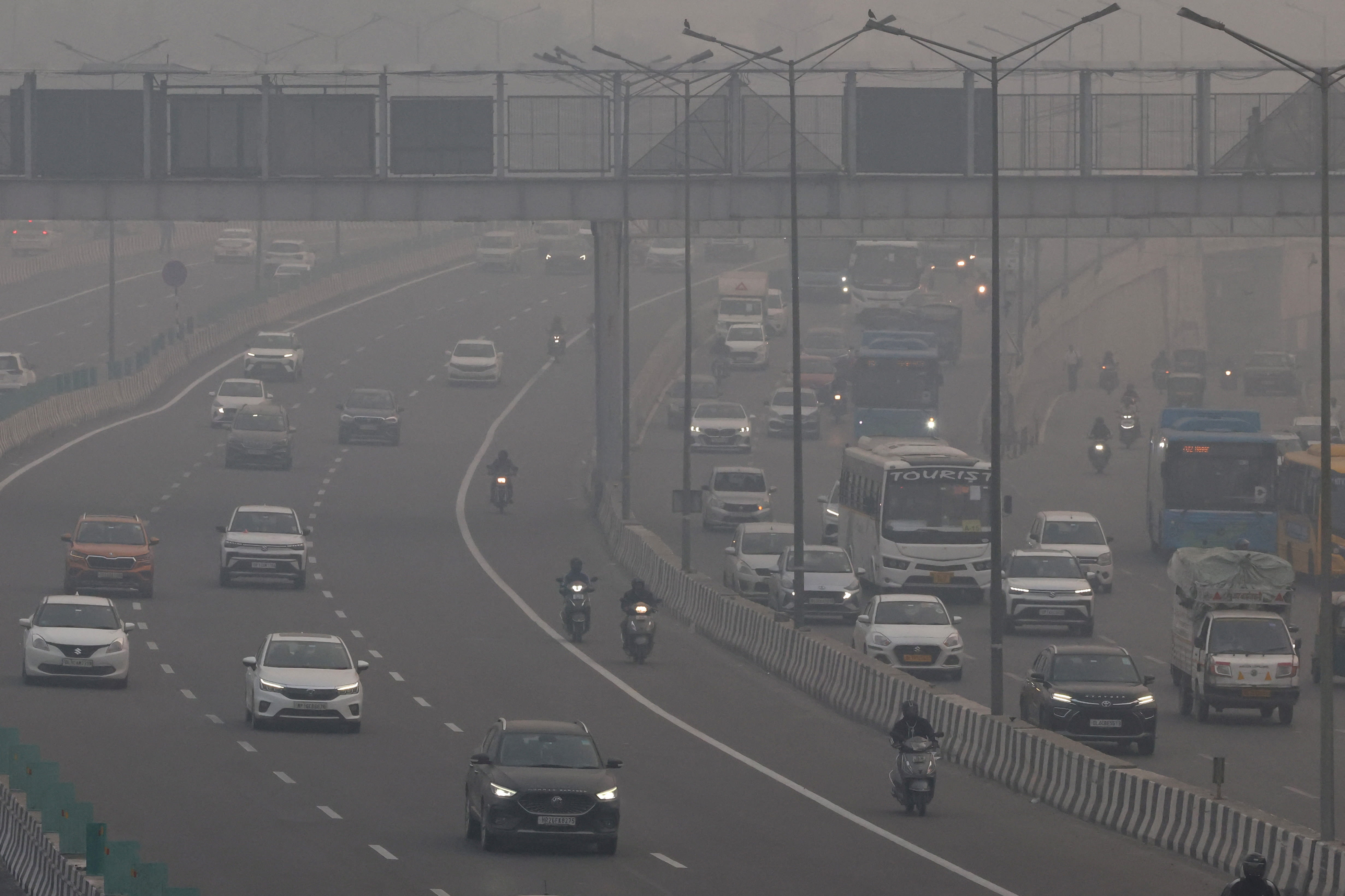
Delhi is reported as having overtaken Lahore to become the world’s most polluted major city, with air quality described as “hazardous” and reaching “severe” levels depending on the measuring system. Several outlets cite an Air Quality Index (AQI) of 334 from the Swiss monitoring group IQAir, where readings below 50 are generally considered good.
Coverage also references how officials and monitoring groups can produce different figures for the same event. Dawn reports India’s Central Pollution Control Board recorded an AQI of 403 and classified it as “severe,” while IQAir’s reading is “hazardous.” Dawn and others also mention visibility issues from smog, and that the problem is tied to seasonal winter conditions that trap emissions, construction dust, and smoke from agricultural burning. One outlet notes Delhi’s AQI can change quickly over the day, while another highlights Lahore’s rank shift.
Across reports, the shared headline focus is on the city ranking change—Delhi replacing Lahore—paired with the health implications of hazardous particulate pollution. The main differences are the exact AQI values, whether “major city” is emphasised as a category, and additional local context included in some stories.