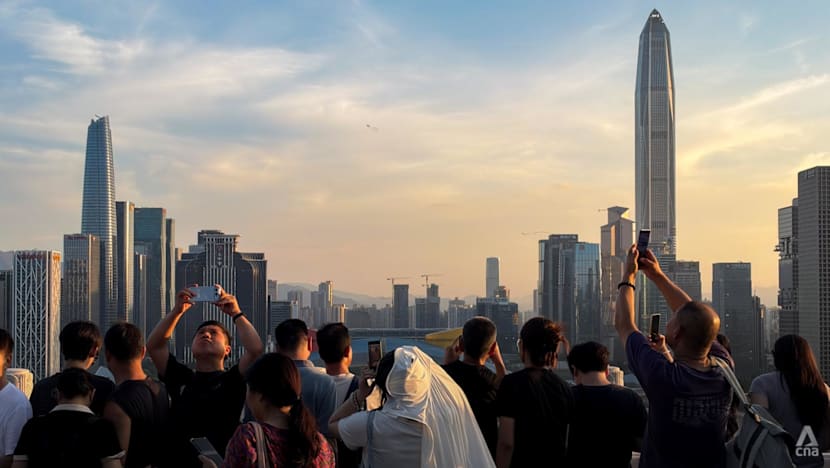
China hosts the 33rd Asia-Pacific Economic Cooperation (APEC) summit in Shenzhen on November 18–19, with the meetings framed as a showcase for China’s ambition to reshape the region’s economic and diplomatic agenda. Coverage highlights that Shenzhen’s rise from a former border town into a major tech and electronics hub is central to the selection of the venue, with multiple outlets portraying the city as a symbol of China’s “reform and opening up.”
Outlets also connect the summit to broader geopolitical context. One report frames the event as happening amid the “Xi–Trump clamour,” focusing on whether APEC can revive practical business cooperation. Another describes the summit’s preparation as unusually intensive, with measures around drones, heightened security surveillance, and some residents asked to vacate—indicating the logistical and security scale of the gathering.
Across the coverage, the common thread is that Shenzhen and APEC are presented as linked: the city’s transformation supports an economic-innovation narrative, while the summit’s leadership meetings—including planned talks involving top figures—anchor the diplomatic dimension. Differences mainly lie in emphasis between China’s global role, Shenzhen’s tech transformation, and the on-the-ground preparations for security and events.