


Multiple reports link the conflict involving Iran to upward pressure on interest rates, which they say is likely to affect housing markets. The coverage frames the move in rates as part of wider economic spillovers from the Middle East conflict, including disruptions to energy supplies. As energy-related disruptions feed into broader costs, the articles suggest central bank policy expectations and borrowing costs move higher. In turn, higher mortgage and financing rates are presented as a key factor that could cool demand and reduce affordability, leading to forecasts that house prices may fall. While the reports focus on the housing impact, they also characterize it as one consequence of a broader macroeconomic chain reaction tied to the conflict—moving from energy supply issues to inflationary pressures and then to interest rates. The sources collectively present the housing outlook as conditional on continued rate pressure, rather than citing a single definitive trigger or timeline.
Iran conflict drives higher rates, prompting forecasts of falling house prices
Multiple reports link the conflict involving Iran to upward pressure on interest rates, which they say is likely to affect housing markets. The coverage frames the move in rates as part of wider econo...

- News coverage says the Iran conflict increases pressure on interest rates.
- Reports attribute the rate pressure to wider economic effects, including disrupted energy supplies.
- Higher borrowing costs are described as weighing on housing affordability.
- Multiple sources forecast house prices may decline as rates stay elevated.
- The reports present the housing impact as part of broader global economic repercussions from the conflict.
It represents the latest damaging economic consequence of the conflict in the Middle East, which has disrupted energy supplies with global repercussions.
2 months agoIt represents the latest damaging economic consequence of the conflict in the Middle East, which has disrupted energy supplies with global repercussions.
2 months ago
Atletico give Alvarez deadline as he weighs staying or a move to Arsenal
Julian Alvarez is at the centre of a tense transfer situation involving Atletico Madrid and Arsenal. Multiple outlets re...

Mourinho says Kylian Mbappé should win the 2026 Ballon d’Or
Real Madrid coach José Mourinho says Kylian Mbappé deserves to win this year’s Ballon d’Or. Reporting from before Real M...
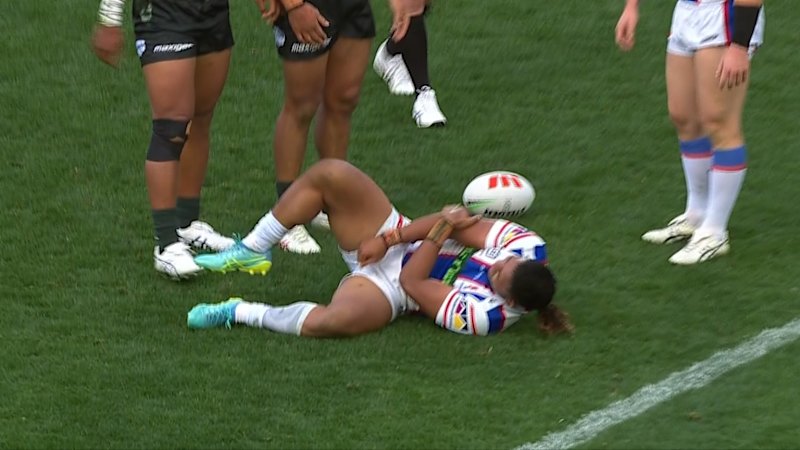
Knights forward Francis Manuleleua forced off with elbow injury
Newcastle Knights forward Francis Manuleleua is forced off the field after sustaining an elbow injury during a match, an...