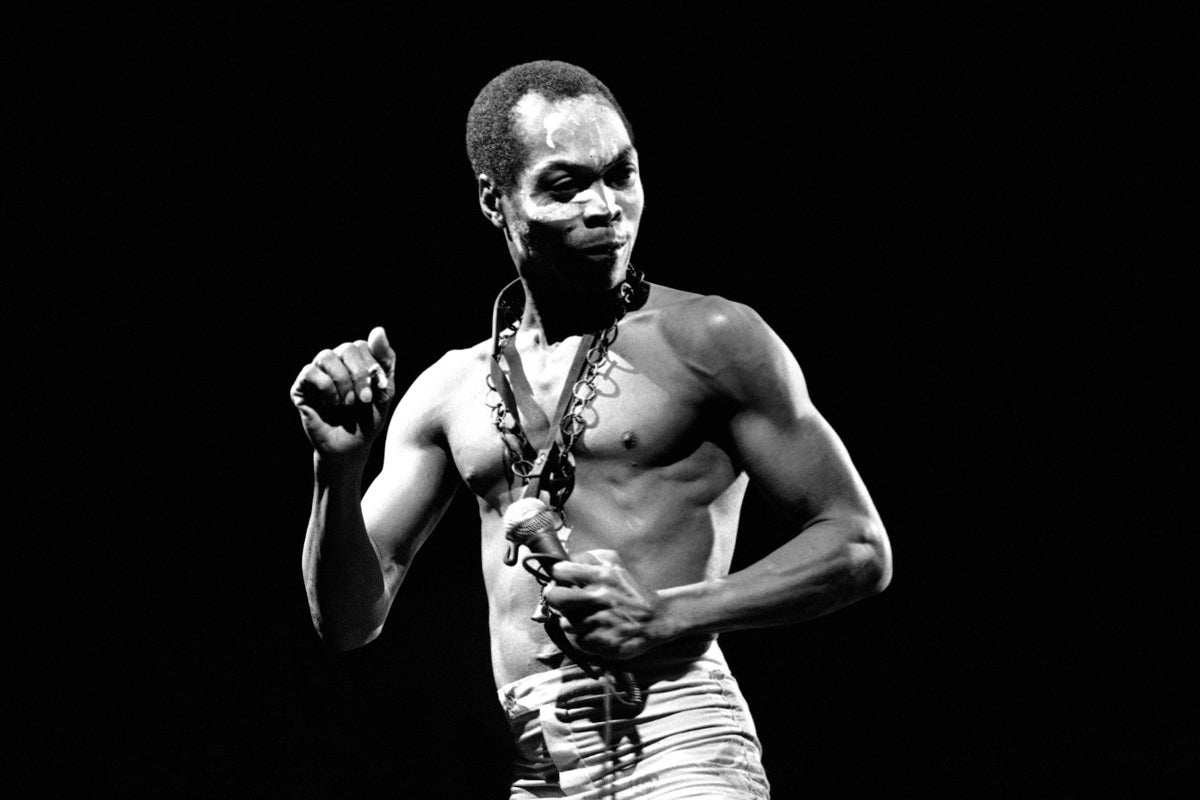
In 1976, Nigerian musician Fela Kuti releases the album “Zombie,” built around the song of the same name as a direct protest against the country’s military rule. Across sources, the album is described as a long-lasting cultural reference point in Nigeria, with listeners and commentators continuing to connect its message to patterns of state power and repression. The song “Zombie” is repeatedly characterized as targeting the behavior and mentality of soldiers and authority figures, using the concept of “zombies” to convey loss of individual will under coercive systems.
The Independent frames the track as “legendary” and emphasizes its protest function at the time of release, while the Winnipeg Free Press highlights the album’s continued relevance five decades later. Together, the accounts focus less on new developments than on enduring influence: “Zombie” is presented as an enduring piece of political music that remains in circulation and continues to resonate with audiences as a critique of military governance. The sources converge on the album’s origin in 1976 and its association with anti-military messaging.