


A literary controversy tied to a memoir has renewed debate about how much factual accuracy memoirs owe their readers. Across outlets, the story is described as centering on claims presented in the book and whether those accounts are sufficiently truthful or properly substantiated. The controversy is linked in coverage to a high-profile personal and financial narrative, including elements described as involving a divorce and a fortune, alongside the memoir’s status as a bestseller. Outlets frame the dispute as more than a single dispute over one publication, presenting it as a broader question about memoir’s boundaries between lived experience, interpretation, and dramatization. The articles note that the controversy has drawn renewed attention to readers’ expectations and the standards used to judge memoirs when readers believe details may be exaggerated, incomplete, or disputed. No consistent resolution, findings, or authoritative determination is provided in the shared summaries; instead, the coverage emphasizes the renewed public argument and the ongoing tension between storytelling and factual accountability in first-person accounts.
Dispute over truth in memoir reignites debate after literary scandal
A literary controversy tied to a memoir has renewed debate about how much factual accuracy memoirs owe their readers. Across outlets, the story is described as centering on claims presented in the boo...
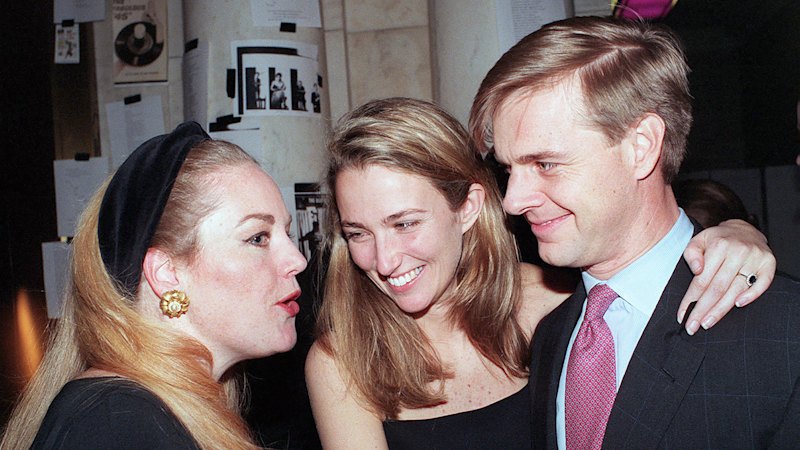
- A memoir dispute has drawn renewed public attention and debate.
- Coverage frames the issue as whether memoirs must adhere to strict factual truth.
- The controversy is described as involving claims tied to a divorce and a fortune.
- The book is characterized as a bestseller in the reporting.
- The shared summaries do not cite a definitive resolution or adjudication.
A literary scandal has reignited an old question: How much truth does a memoir owe its readers?
2 months agoA literary scandal has reignited an old question: How much truth does a memoir owe its readers?
2 months agoA literary scandal has reignited an old question: How much truth does a memoir owe its readers?
2 months ago
KATSEYE Withdraws From Olivia Rodrigo’s Daisy Chain Fields After Megan Sprains Ankle
KATSEYE withdraws from Olivia Rodrigo’s inaugural Daisy Chain Fields festival after member Megan sprains her ankle, lead...

Dolly Parton’s streaming spikes after her death, with reports showing large percentage gains
Dolly Parton’s music consumption increases sharply after her death, with multiple outlets reporting large jumps in strea...

Two men buy tickets before stealing a diamond necklace from a Vienna museum
Two men steal a valuable necklace from a museum in Vienna after entering with paid tickets, police say. The theft happen...