


Typhoon Jangmi, also known as Typhoon No 6, moves northwards over Japan after bringing violent winds, heavy rain and rough seas to areas from Okinawa to mainland Japan. Authorities issue river alerts and evacuation guidance as prolonged rainfall triggers landslide warnings and flooding, with some rivers placed at the highest alert level indicating a risk of overflowing. In Tokyo, three-hourly rainfall totals reach 105mm in Chiyoda on Wednesday, reported as a record for the month. Sustained winds of about 80mph (130kph) are recorded earlier in the week, and the storm is described as a Category 1 typhoon before later weakening. By Wednesday, 23 people are reported injured, including 17 in Okinawa. Damage includes 57 homes affected and widespread power cuts, with tens of thousands of homes losing electricity. Travel disruption is also reported, including cancelled flights and disrupted rail services. The typhoon damages the exterior wall of Himeji Castle, a UNESCO World Heritage site. As Jangmi weakens into a tropical depression, it moves eastwards away from the islands.
Typhoon Jangmi brings heavy rain and flooding to Japan, injuring at least 23
Typhoon Jangmi, also known as Typhoon No 6, moves northwards over Japan after bringing violent winds, heavy rain and rough seas to areas from Okinawa to mainland Japan. Authorities issue river alerts...
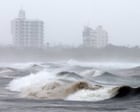
- Typhoon Jangmi (Typhoon No 6) brings heavy rain and strong winds to parts of Japan, including Okinawa and areas of the mainland.
- Japan issues high-level river flood warnings and evacuation guidance due to rainfall, landslide risk and possible river overflow.
- By Wednesday, 23 people are reported injured, with 17 injuries in Okinawa.
- The typhoon causes damage to homes and widespread power outages, with damage also reported at Himeji Castle.
- The storm weakens into a tropical depression and moves eastwards away from the islands.
More than 1 million people advised to evacuate homes amid 80mph winds and heavy rainTyphoon Jangmi (also known as Typhoon No 6) moved northwards over the course of this week. From Okinawa to mainland Japan, prolonged and heavy rainfall led to landslide warnings and the flooding of rivers, with Japan issuing level 4 warnings for some rivers, signalling a risk of overflowing. This level is high enough for municipalities to issue evacuation orders. Three-hourly rainfall totals on Wednesday reached 105mm in Chiyoda, Tokyo, which was a record high for the month. Sustained wind speeds of 80mph (130kph) were recorded on Monday – making it a category 1 typhoon – bringing damage and disruption to businesses, transport, infrastructure and the environment.By Wednesday, 23 people had been injured, 17 of whom were in Okinawa. The typhoon damaged 57 homes and led to 60,000 homes losing electricity. In addition to this, 1.52 million people were advised to evacuate by authorities. The typhoon damaged the exterior wall of Himeji Castle, a Unesco world heritage site in western Japan. The maximum recorded wind speed at Himeji was 56mph, according to the Japan Meteorological Agency. The typhoon has now weakened into a tropical depression and has moved eastwards, away from the islands. Continue reading...
2 months agoThousands lose power, hundreds of flights are cancelled and rail services disrupted as torrential rain prompts evacuations and landslide alerts
2 months agoViolent winds, high waves, landslides, flooding and overflowing rivers expected to hit Japan along the Pacific coast
2 months ago
Norway’s King Harald V dies aged 89, with palace citing passing at Oslo University Hospital
Norway’s King Harald V dies at age 89, the Norwegian royal palace announces. Multiple outlets report the king dies peace...

New Melbourne openings highlight Cote Basque, Chinese-ish reopening, and standout spanakopita
A set of new and returning food venues is drawing attention in Melbourne this month, including Andrew McConnell’s Spanis...

TestMu Conference 2026 spotlights agentic engineering and AI quality
TestMu Conference 2026 is held as a flagship event for TestMu AI, focusing on “agentic engineering” and the quality proc...