


A new study finds that increased remote work after the pandemic is associated with higher unemployment among young, recently graduated job seekers. Rather than pointing to artificial intelligence as the main factor, the research suggests that businesses become more hesitant to hire inexperienced workers when jobs are done remotely. The study, released Monday and conducted by or associated with the Federal Reserve Bank of New York, compares occupations that can be performed remotely with those that cannot. It reports that remote-compatible roles—often requiring skills more aligned with established experience—tend to be affected differently in hiring patterns than in-person work. As remote arrangements expand, the study argues, fewer entry-level opportunities may be available to young workers who are still building experience, contributing to rising unemployment rates for recent college graduates. Overall, the findings emphasize that labor-market outcomes for new entrants are influenced by the structure of work arrangements, including whether roles can be performed remotely, rather than by claims that AI is the primary driver of job losses for young people.
Study links post-pandemic remote work to higher unemployment for recent graduates
A new study finds that increased remote work after the pandemic is associated with higher unemployment among young, recently graduated job seekers. Rather than pointing to artificial intelligence as t...

- The study links higher unemployment among recent college graduates to the expansion of remote work after the pandemic.
- It finds businesses are more reluctant to hire young, inexperienced workers for roles that can be done remotely.
- The analysis compares occupations that can be performed remotely with those that cannot.
- The study’s conclusion contrasts with claims that AI is the main cause of young people’s unemployment.
- The study was released Monday and is associated with the Federal Reserve Bank of New York.
The rise of remote work since the pandemic has made businesses more reluctant to hire young, inexperienced workers and is the key driver of higher unemployment rates for recent col...
2 months agoThe rise of remote work since the pandemic has made businesses more reluctant to hire young, inexperienced workers and is the key driver of higher unemployment rates for recent college graduates, a study released Monday has found. The study, by the Federal Reserve Bank of New York, compared occupations that can be done remotely — such as software development — […]...Keep on reading: Young and jobless? It’s not AI—it may be remote work
2 months agoThe rise of remote work since the pandemic has made businesses more reluctant to hire young, inexperienced workers and is the key driver of higher unemployment rates for recent college graduates, a study released Monday has found.
2 months agoThe rise of remote work since the pandemic has made businesses more reluctant to hire young, inexperienced workers and is the key driver of higher unemployment rates for recent college graduates, a study released Monday has found
2 months agoThe rise of remote work since the pandemic has made businesses more reluctant to hire young, inexperienced workers and is the key driver of higher unemployment rates for recent college graduates, a study released Monday has found.
2 months ago
Sitharaman says India met 2025-26 fiscal deficit target in US remarks
India’s finance minister Nirmala Sitharaman says the government meets its fiscal deficit target for 2025-26 during remar...
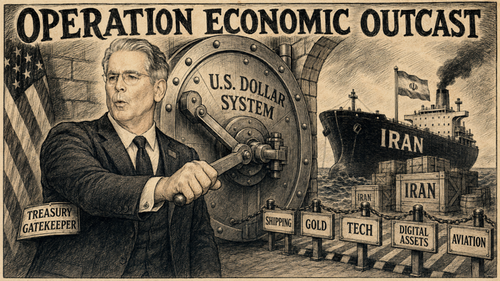
US sanctions dozens of China and Hong Kong firms tied to Iran trade
The US Treasury expands sanctions against Iran by targeting nearly 60 entities linked to Iranian trade, technology and f...

Canada suspends U.S. trade talks and announces dollar-for-dollar retaliatory tariffs
Canada’s Prime Minister Mark Carney suspends trade negotiations with the United States after a last-ditch effort to reac...