


Denmark’s Prime Minister Mette Frederiksen has formed a new centre-left coalition government after months of negotiations following inconclusive general elections in March. The deal secures her a third term as prime minister and brings together four parties: the Social Democrats, the Socialist People’s Party, the Radikale Venstre, and the centrist Moderates. Several reports describe the agreement as a minority government that nonetheless holds a slim parliamentary majority. Coverage also notes that Frederiksen’s Social Democratic Party had its weakest election performance since 1903, prompting extensive talks over coalition options. The new cabinet is announced after the coalition agreement, with one outlet reporting that it includes more women than men for the first time in Danish history. On policy direction, multiple sources say Frederiksen signals continuity in foreign policy, including continued support for Ukraine and a firm stance on U.S. President Donald Trump’s stated ambitions regarding Greenland. Domestically, she says the government will focus on improving the cost of living. Overall, outlets present the outcome as the culmination of prolonged coalition bargaining aimed at retaining leadership and establishing a workable governing majority.
Mette Frederiksen forms new centre-left minority coalition government in Denmark
Denmark’s Prime Minister Mette Frederiksen has formed a new centre-left coalition government after months of negotiations following inconclusive general elections in March. The deal secures her a thir...

- Mette Frederiksen secures a third term as Denmark’s prime minister after coalition talks.
- The government is a centre-left coalition minority arrangement involving four parties: Social Democrats, Socialist People’s Party, Radikale Venstre, and Moderates.
- The March general election is described as inconclusive, requiring months of negotiation to form a governing coalition.
- The new cabinet is announced following the coalition agreement, with reporting that it has more women than men than in any prior Danish cabinet.
- Frederiksen’s planned priorities cited include continuing support for Ukraine and maintaining a firm stance regarding U.S. ambitions around Greenland.
Denmark's government has finally been unveiled after the country's general election back in March. Mette Frederiksen will return for a third term as prime minister, leading a centre-left coalition minority government. She is expected to maintain a firm stance against US President Donald Trump's ambitions for Greenland and to continue to support Ukraine. On a domestic front, she's vowed improve the cost of living.
2 months agoDenmark’s Prime Minister Mette Frederiksen on Wednesday presented her new cabinet, which for the first time in Danish history included more women than men. Following months of talks after inconclusive elections in March, incumbent Frederiksen said on Monday she had managed to form a minority government between her Social Democrats, the Socialist People’s Party, the centre-left Radikale Venstre and the centrist Moderates. On Wednesday, Frederiksen announced the names of the new ministers. “It is...
2 months agoAfter her party's weakest showing since 1903, Mette Frederiksen spent months negotiating a coalition to stay in power.
2 months agoThe leader of Denmark's Social Democratic Party is forming a centre-left coalition minority government, giving her a third term as prime minister.
2 months agoDenmark’s Prime Minister Mette Frederiksen announced on Monday that she has formed a new left-leaning minority coalition after months of negotiations following inconclusive elections in March. The agreement secures her third term in office, bringing together four parties that hold a slim parliamentary majority.
2 months agoNordic leader cobbles together a four-party centre-left government after more than two months of talks
2 months ago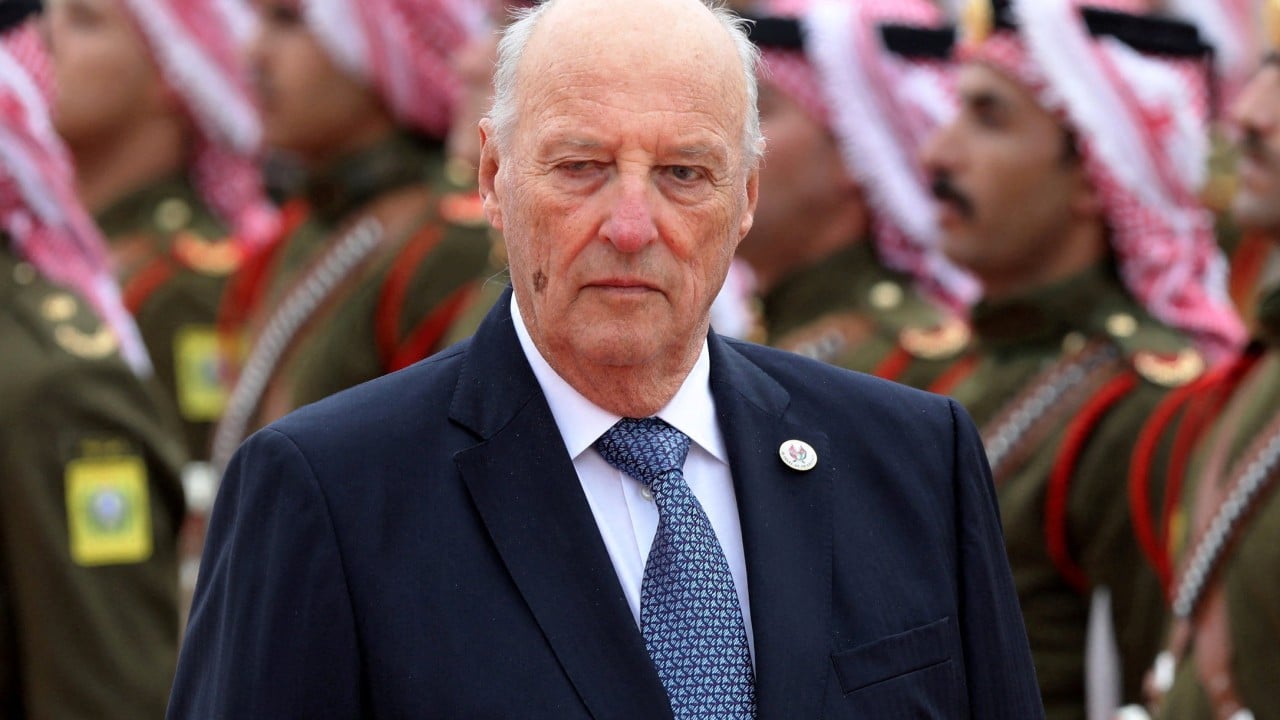
Norway’s King Harald V dies aged 89, with palace citing passing at Oslo University Hospital
Norway’s King Harald V dies at age 89, the Norwegian royal palace announces. Multiple outlets report the king dies peace...
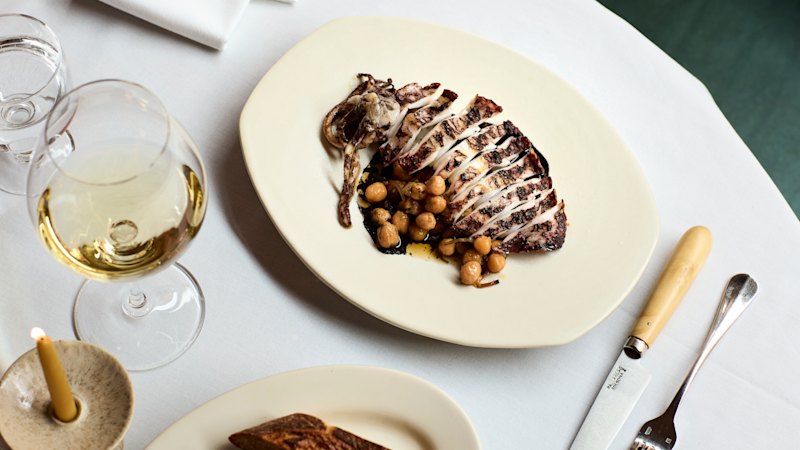
New Melbourne openings highlight Cote Basque, Chinese-ish reopening, and standout spanakopita
A set of new and returning food venues is drawing attention in Melbourne this month, including Andrew McConnell’s Spanis...

TestMu Conference 2026 spotlights agentic engineering and AI quality
TestMu Conference 2026 is held as a flagship event for TestMu AI, focusing on “agentic engineering” and the quality proc...