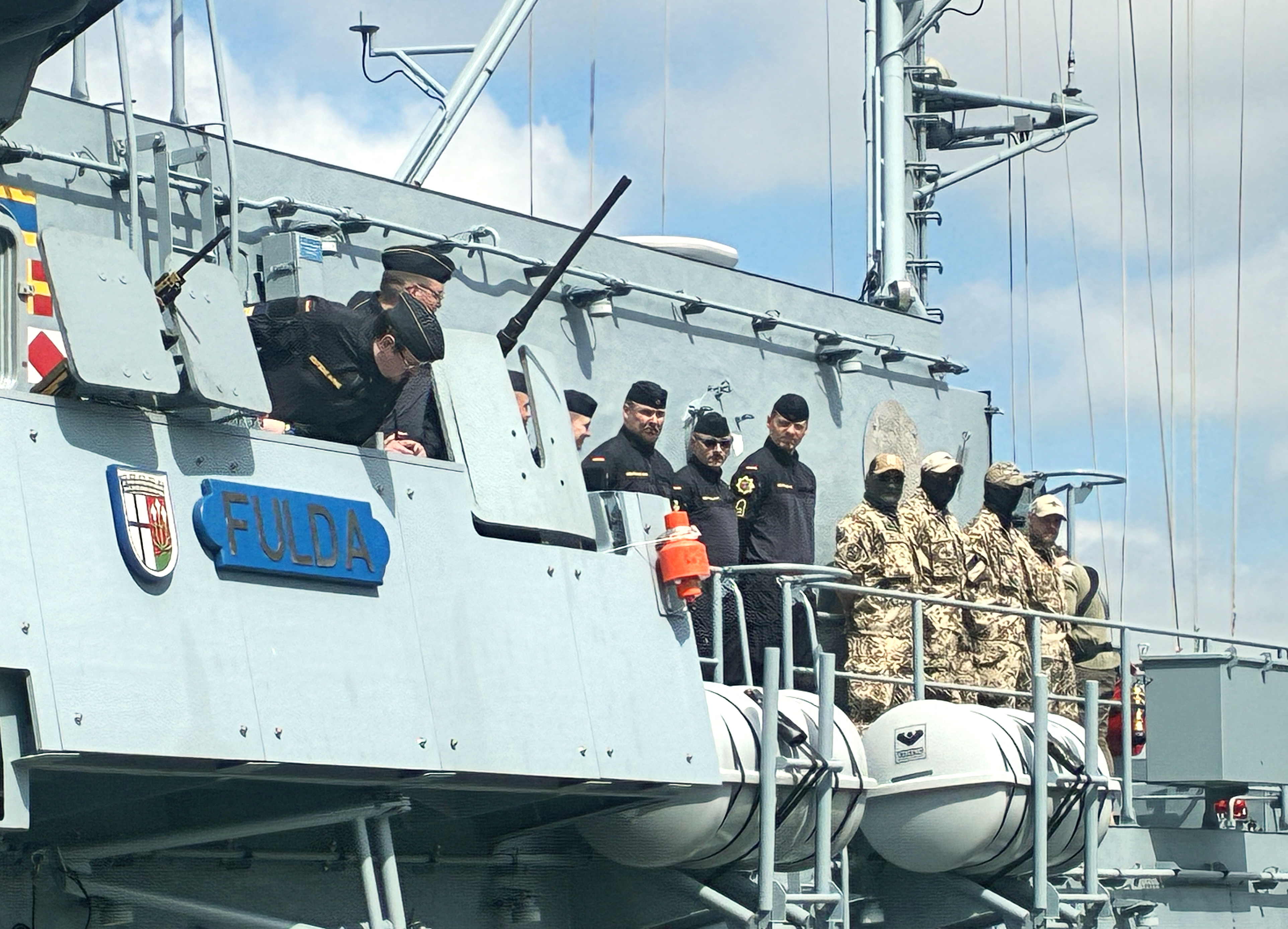
Multiple outlets describe NATO’s engagement in the Strait of Hormuz as consistent with the alliance’s established security framework rather than “mission creep.” They note that NATO has, for decades, treated allied security as not limited to where conflicts occur geographically. Under this view, threats to key maritime routes can affect the security and interests of member states even when they are outside NATO’s traditional focus areas.
The articles do not present new operational details or specific changes to NATO’s mandate, but instead emphasize the reasoning behind such involvement. The core argument is that NATO planning and deployments have long reflected the interdependence of member nations’ security, including the protection of logistics and sea lines of communication that support civilian and military activity. In this context, participation in operations related to Hormuz is framed as part of that broader, long-standing approach.
Overall, the sources align on the interpretation that NATO’s presence in Hormuz fits existing alliance principles, with the debate centered on whether the action represents a new expansion or a continuation of prior policy logic.