


Iran’s annual inflation rate rises to about 77% in May, reaching the highest level reported since World War II, according to multiple outlets citing figures attributed to Iran’s Central Bank. The jump reflects worsening economic pressure that affects everyday costs, as the Iranian rial weakens amid heightened uncertainty over the possibility of renewed conflict. Several reports link the inflation surge to war-related factors, including currency depreciation and disruption tied to broader geopolitical tensions. The sources also point to long-standing domestic economic issues such as mismanagement and corruption that continue to weigh on the oil-backed economy. One report says the country remains under a U.S. naval blockade, adding to strain on economic activity. The reports also note that past periods of economic stress have coincided with protests. While Iran seeks to avoid renewed unrest after a crackdown earlier in the year, experts cited by one outlet warn that fresh hardship could increase the risk of new demonstrations. The articles collectively describe a deteriorating economic outlook in parallel with ongoing concerns about renewed hostilities involving Israel and the United States.
Iran inflation reaches 77% in May, highest since World War II
Iran’s annual inflation rate rises to about 77% in May, reaching the highest level reported since World War II, according to multiple outlets citing figures attributed to Iran’s Central Bank. The jump...
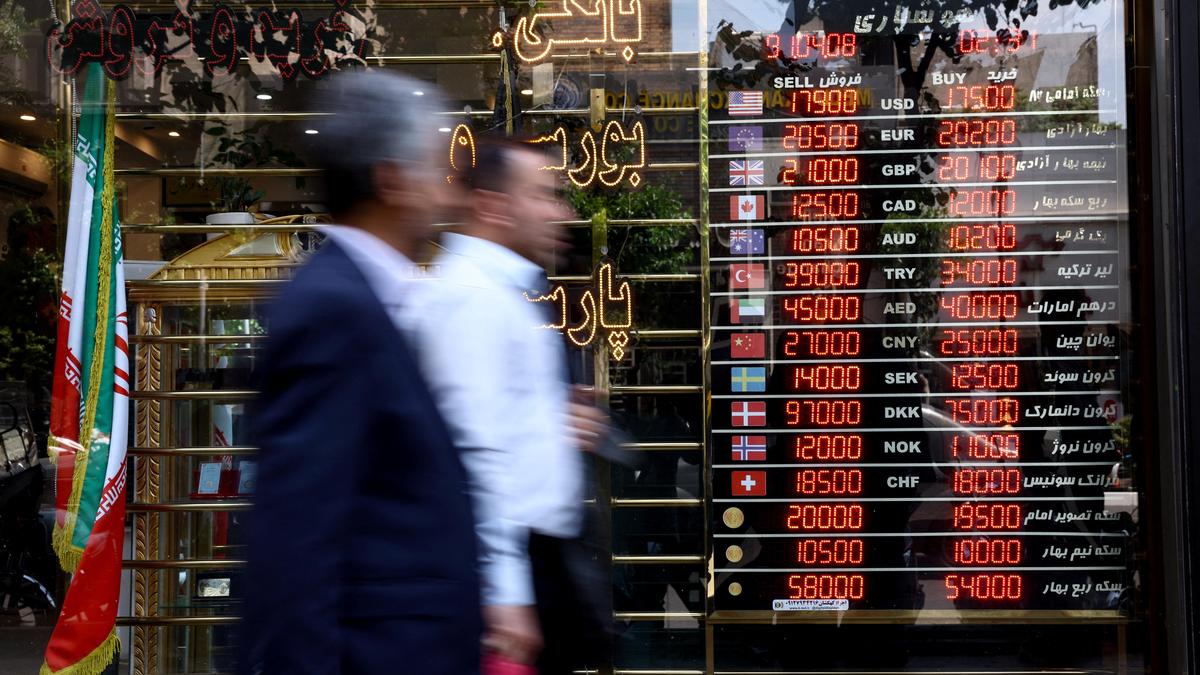
- Iran’s year-on-year inflation reaches about 77% in May, the highest since World War II.
- The inflation surge is associated with a weakened rial and economic disruption amid renewed conflict concerns.
- Multiple sources cite Iran’s Central Bank data as the basis for the figures.
- Domestic factors mentioned include economic mismanagement and government corruption.
- Analysts and reports warn economic pressure could contribute to renewed protests, following earlier unrest and a crackdown earlier this year.
Year-on-year inflation in Iran reached a level in May unseen since World War II, underlining the economic pain average Iranians face as the Islamic Republic worries about the war with Israel and the United States restarting. A report Monday by Iran's Central Bank represents the first official acknowledgment of what Iranians shopping, paying for a taxi or visiting a medical clinic already know: The rial currency is battered by the war and uncertainty around it resuming. Meanwhile, longtime problems of economic mismanagement and government corruption also appear to be dragging down Iran's oil-backed economy as it remains under a US naval blockade. Economic pressure in the past has sparked nationwide protests, something Iran's theocracy has been trying to avoid since a crackdown on demonstrators in January killed over 7,000 people, according to activists' estimates. But even as hard-liners hold gun-handling workshops and organise marriages under the shadow of a ballistic missile to ..
2 months agoIran’s annual inflation rate reached a record high in May, its highest level since World War II, amid economic turmoil, a weakened currency, and concerns over renewed conflict
2 months agoExperts note fresh economic turmoil could spark renewed protests as Iran’s President says ‘hardship’ must be accepted as cost of war
2 months ago
Nigeria Football Federation leadership resigns amid governance concerns
Nigeria’s football leadership resigns amid governance concerns. The president, the general secretary and the federation’...

Gilbert Arenas criticizes Jonathan Kuminga’s $13M deal with Minnesota Timberwolves
Former NBA player Gilbert Arenas criticizes Jonathan Kuminga’s decision to sign with the Minnesota Timberwolves, calling...

SportsLine simulation releases early 2026 fantasy football QB, RB, WR, TE rankings, sleepers, breakouts, busts
SportsLine presents early 2026 fantasy football draft materials built from simulations of the upcoming NFL season, inclu...