


In the 1840s, Catholic clergy in the United States formally name the Virgin Mary as patroness of the country, specifically under the title “Immaculate Conception,” which refers to the belief that Mary is conceived without sin. According to accounts summarized by The Conversation and the Washington Times, the naming takes place in May 1846, when Catholic priests and bishops select Mary for this role. The references note that this occurs before the Vatican later defines the Immaculate Conception as an official church dogma. While the Vatican’s formal definition comes later, the U.S. patronage decision reflects the devotion and theological understanding held by many Catholics at the time. The two sources agree on the central point: Mary, tied to the Immaculate Conception title, is designated patroness of the United States in the mid-19th century. The accounts present the decision as a church action by American clergy, emphasizing that the Vatican’s later dogmatic definition does not precede the U.S. designation.
Catholic leaders name Mary “Immaculate Conception” patroness of the United States in 1840s
In the 1840s, Catholic clergy in the United States formally name the Virgin Mary as patroness of the country, specifically under the title “Immaculate Conception,” which refers to the belief that Mary...
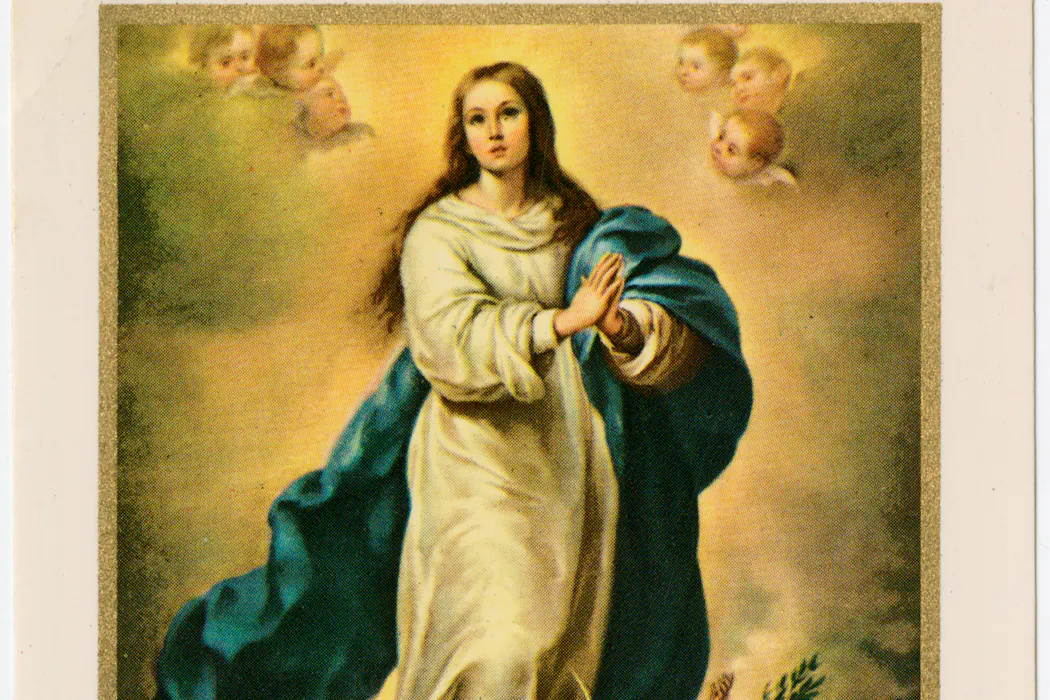
- Catholic clergy name the Virgin Mary patroness of the United States in the 1840s.
- The title used is “Immaculate Conception,” associated with the belief Mary is conceived without sin.
- The naming is described as taking place in May 1846.
- The designation happens before the Vatican defines the belief as an official dogma.
Nearly 200 years ago, in May 1846, Catholic priests and bishops named the Virgin Mary patroness of the United States of America - specifically, under her title as the Immaculate Conception, referring to the belief she was conceived without sin.
2 months agoMary, as the Immaculate Conception, became patroness of the United States before the Vatican officially defined that belief as dogma.
2 months ago
SportsLine simulation projects 2026 fantasy QB, RB, WR, and TE rankings, sleepers and busts
SportsLine publishes early 2026 fantasy football rankings generated from 10,000 simulations of the upcoming NFL season....
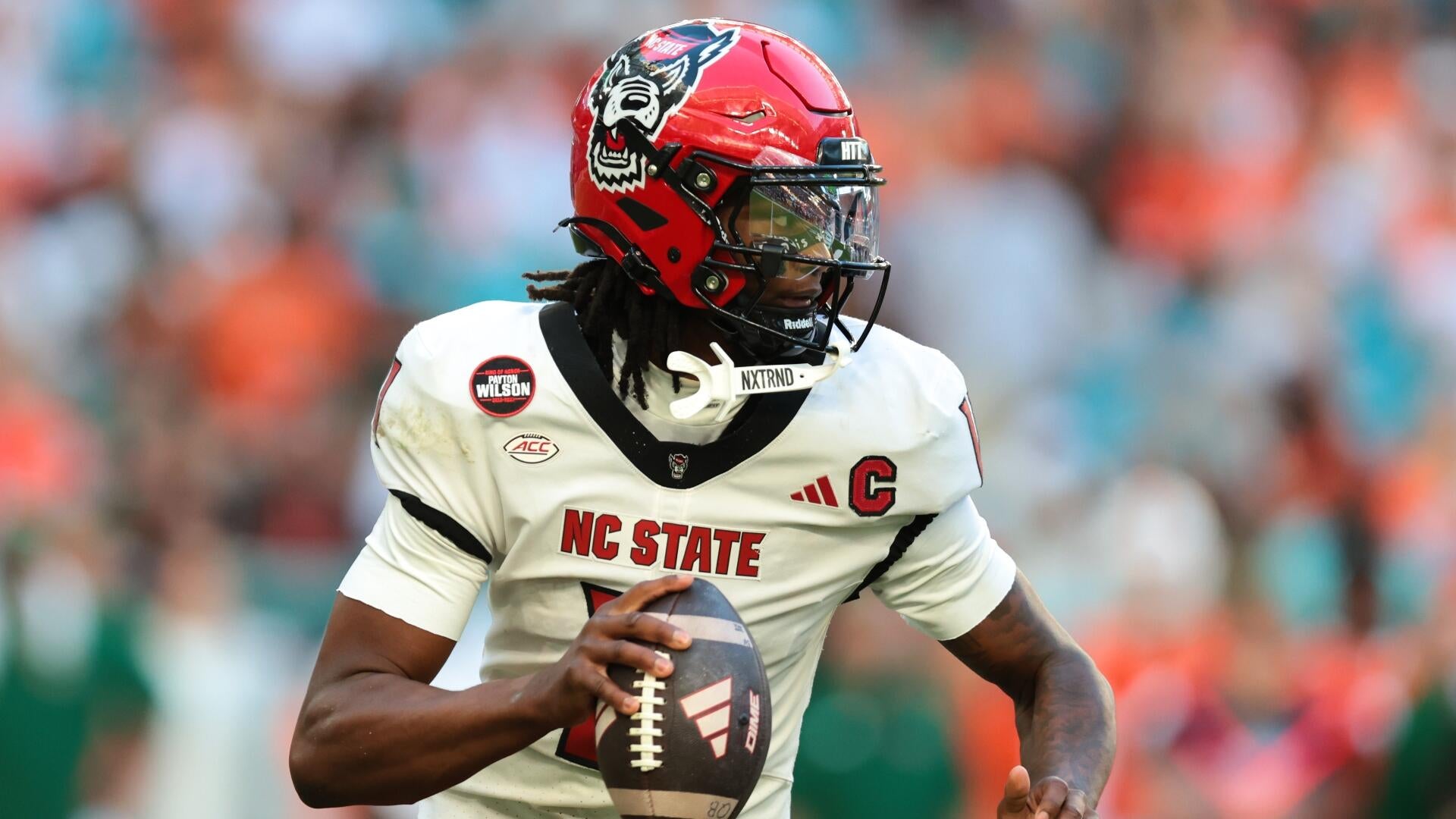
Vegas expert releases Week 0 college football odds and a +300 parlay
A CBS Sports Vegas expert, Thomas Casale, publishes college football Week 0 picks along with odds, betting lines, and su...

Song Yadong stuns Umar Nurmagomedov in UFC Shanghai main event
Umar Nurmagomedov faces Song Yadong as the main event at UFC Shanghai, where Song wins by stoppage. Yahoo Sports and oth...