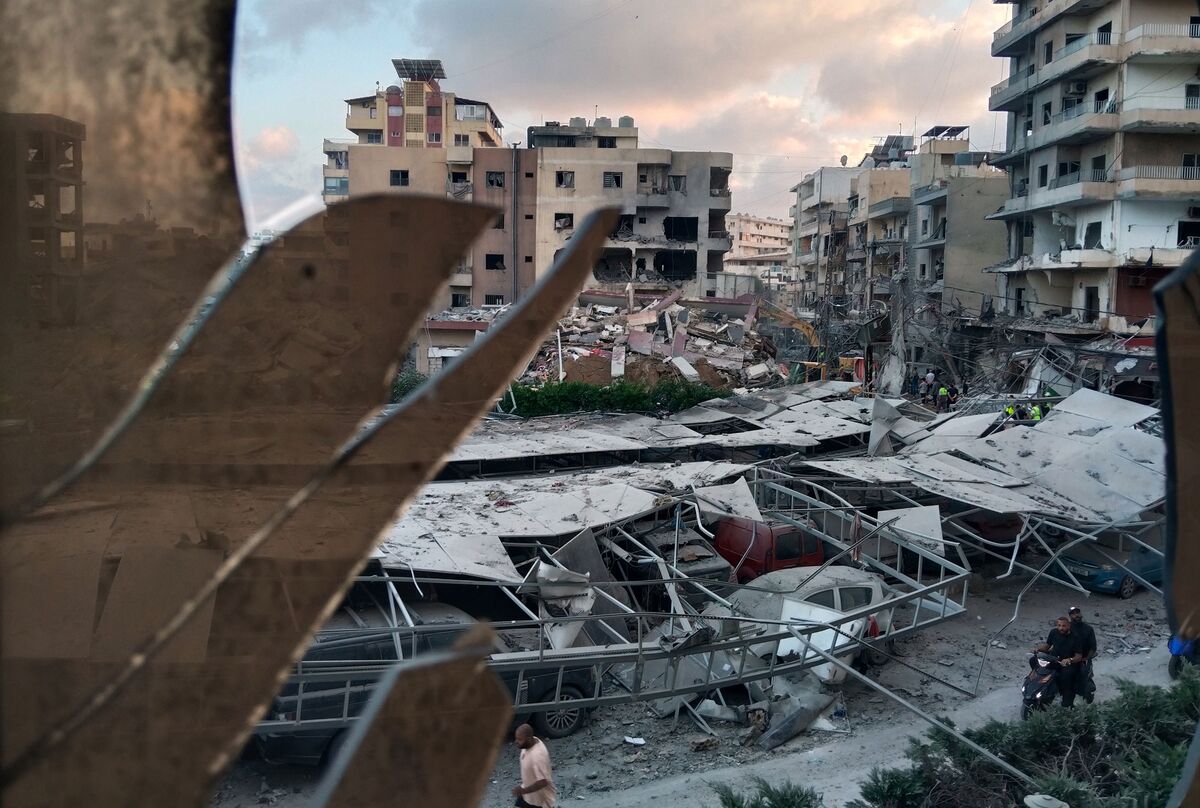
President Donald Trump and Israeli Prime Minister Benjamin Netanyahu face heightened tensions over how to end the war that the two countries began together, complicating prospects for a U.S.-Iran interim framework deal signed over the weekend. Multiple outlets report that Trump presents the agreement as a step toward blocking Iran’s path to nuclear weapons and as a way to move toward further negotiations, while Israel continues to signal that its operations are not over. Reports also describe renewed flare-ups in violence, with U.S. and Israeli leaders increasingly at odds over priorities and timing.
Several articles frame the disagreement as a major obstacle for Washington’s efforts to reach an interim settlement that helps the United States exit a conflict affecting oil markets and domestic politics. For Netanyahu, outlets cite political pressures, including upcoming elections and ongoing legal issues, which influence Israeli decision-making. Coverage further says that American allies of Trump defend him publicly amid anxiety in Israel about the interim deal and perceived signs of strain in the long-standing U.S.-Israel relationship.
Overall, the sources describe a fragile alliance in which Israel’s determination to press its own objectives and ongoing military activity make it harder for the U.S. to carry forward the Iran diplomacy plan.