


The NHL is expected to face scheduling challenges when it builds its 2026-27 regular-season schedule as British Columbia moves to permanent, year-round daylight saving time this fall and Alberta is expected to follow. Both provinces’ planned time changes would affect local clock times for games, which NHL teams and broadcasters must factor into when and where matchups are scheduled. The shift also raises logistical considerations for the league’s multi-province footprint, since teams across Canada will observe different time settings during parts of the calendar. As a result, the NHL must account for how game start times will appear in each market and how those start times align with national and regional viewing plans. While the NHL does not set game times in the abstract—teams, arenas, travel and broadcast windows all play roles—the move to permanent daylight time in B.C., and potentially in Alberta, means the league likely needs to adjust its standard approach to scheduling across affected time zones for the 2026-27 season.
NHL schedule planning affected by B.C., Alberta shift to permanent daylight time
The NHL is expected to face scheduling challenges when it builds its 2026-27 regular-season schedule as British Columbia moves to permanent, year-round daylight saving time this fall and Alberta is ex...

- British Columbia is set to move to permanent, year-round daylight saving time this fall.
- Alberta is expected to follow with a similar permanent time change.
- The NHL’s 2026-27 schedule planning is affected by the provincial time shifts.
- Local game start times and appearance to audiences may change as a result of the new time settings.
- The league must account for differences across Canadian markets when scheduling games.
The NHL will have a fresh challenge when it comes to setting its 2026-27 schedule with British Columbia moving to permanent year-round daylight saving time this fall and Alberta expected to follow suit.
2 months agoThe NHL will have a fresh challenge when it comes to setting its 2026-27 schedule with British Columbia moving to permanent year-round daylight saving time this fall and Alberta expected to follow suit.
2 months ago
Africa news roundups cover multiple developments across the continent in late August 2026
Multiple outlets publish “All of Africa Today” roundups on different dates in August 2026, compiling a set of African ne...

Rangers reportedly agree fee for Venezuela striker Kelsy as Celtic faces competition
Rangers are reported to have agreed a deal for Venezuela striker Kelsy, with both outlets stating that the Scottish club...
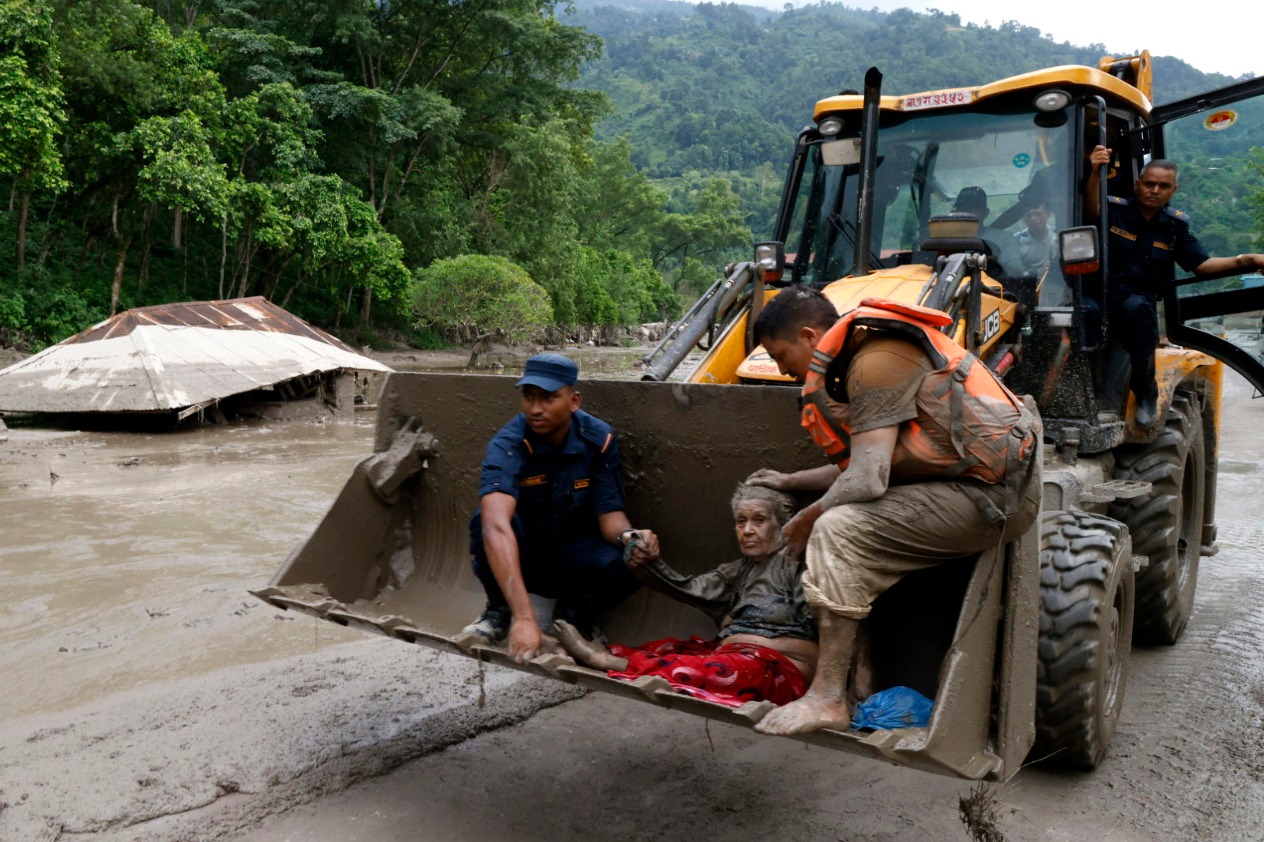
Nepal-Tibet floods spark search for missing after glacial collapse
Flash floods and landslides hit Nepal’s border region with Tibet, killing at least 160–165 people and leaving large numb...