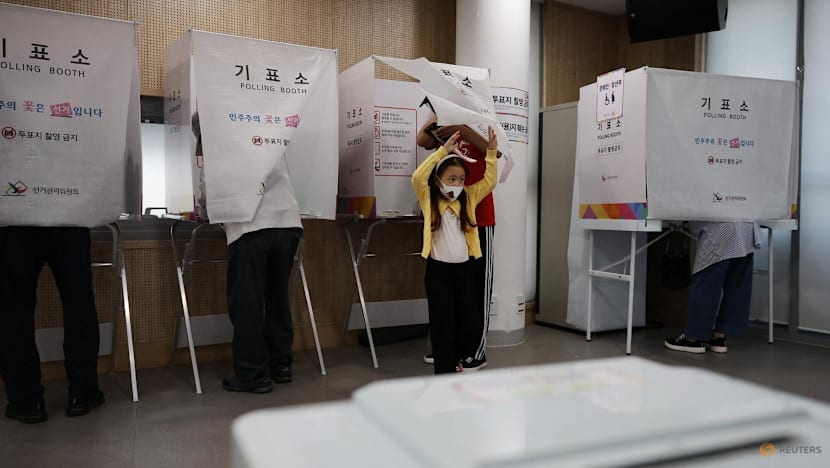
South Koreans begin voting Wednesday in mayoral and other local elections across 16 cities and provinces, choosing mayors and governors. Multiple outlets describe the vote as a measure of public support for President Lee Jae Myung’s year-old liberal Democratic Party government and, more broadly, as a test of its political standing after its first year in office.
Foreign coverage focuses on the elections’ wider significance rather than individual contests, with some reports characterizing the ballot as a referendum on Lee’s leadership. Several sources also link the outcome to the conservative opposition’s ability to recover after political turmoil following former President Yoon Suk Yeol’s martial law debacle, noting that the People Power Party has faced internal difficulties roughly 1½ years after the incident.
Opinion surveys highlighted in one report project that the Democratic Party is likely to win more races than the People Power Party, and experts suggest the governing party needs strong results—potentially including key contests such as the Seoul mayoral election—to reflect broad approval of Lee’s administration. The overall picture is that the local elections are treated domestically and internationally as an indicator of the national political balance at midstream.