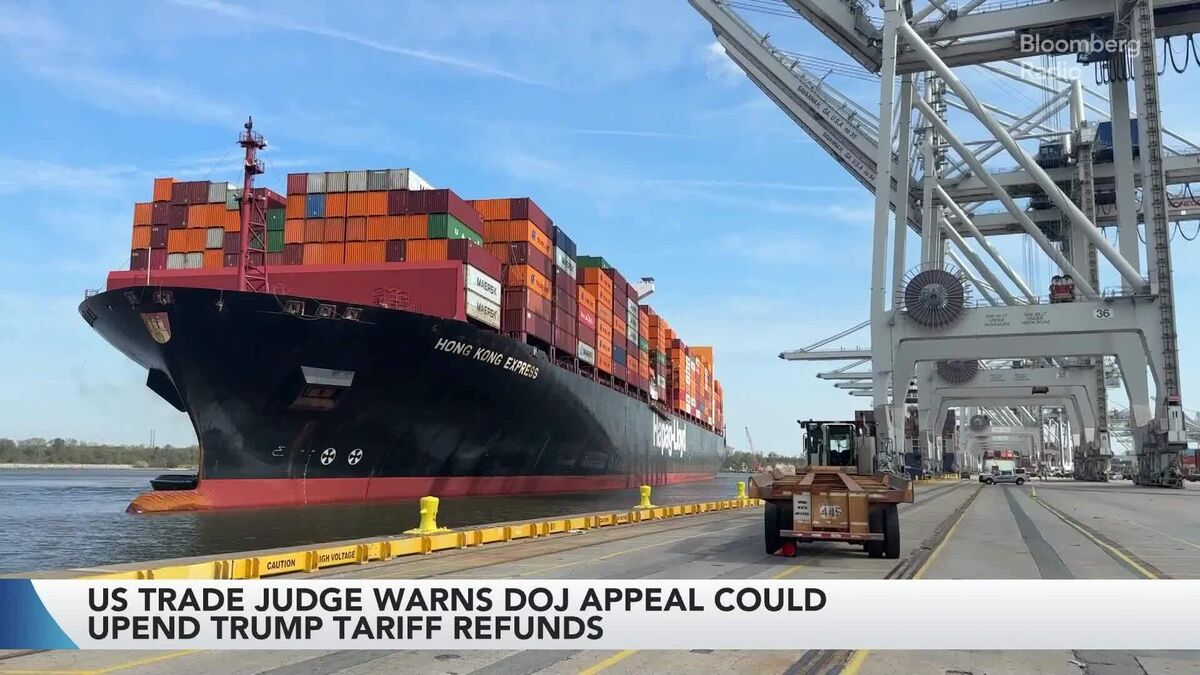
The Trump administration is proposing additional US tariffs on imports from 60 trading partners, citing concerns that they import goods made with forced labor or do not adequately enforce restrictions on such products. Multiple outlets report that the proposal is linked to investigations carried out by the Office of the US Trade Representative (USTR) into how these economies address forced-labor risks in trade. Under the plan, tariffs would generally be set at double-digit levels, with most reporting a minimum rate of at least 10%. Some sources specify that the tariff rates could be 10% or 12.5%, depending on the partner and findings. Several major economies are named among the targeted countries or regions, including Canada, the European Union, the UK, Taiwan, Mexico, and countries in Asia such as China, Australia, Japan, South Korea, Singapore, and the Philippines.
The proposal is also described as part of a broader tariff effort after prior tariff measures were struck down by the US Supreme Court. Commentators note that the initiative could affect prices and trade flows, and that it has drawn concern or pushback from affected partners, including the EU and China. The administration’s next steps and timeline for implementation are not detailed consistently across reports.