


The US Trade Representative (USTR) proposes additional tariffs on imports from 54 economies, including India, under a Section 301 process tied to forced-labour concerns. USTR says the listed countries have not imposed and effectively enforced prohibitions on imports of goods that are allegedly produced using forced labour. The proposal covers India and other major trading partners such as China, Japan, South Korea and Switzerland. Several reports also note that USTR’s broader findings stem from investigations into forced-labour risks across about 60 economies. India’s government responses, as reflected in the coverage, indicate it is engaging with the US and intends to challenge the proposed duties, including through legal or policy channels. Analysts cited by one outlet describe the tariff threat as potential leverage within ongoing or planned US–India trade discussions. The proposed 12.5% tariff would apply unless countries secure exemptions before a stated July deadline. Some reports also mention that the US review extends beyond forced labour, including concerns about excess industrial capacity in some countries, which could lead to further trade actions.
US proposes 12.5% forced-labour tariffs for India and 53 other countries
The US Trade Representative (USTR) proposes additional tariffs on imports from 54 economies, including India, under a Section 301 process tied to forced-labour concerns. USTR says the listed countries...
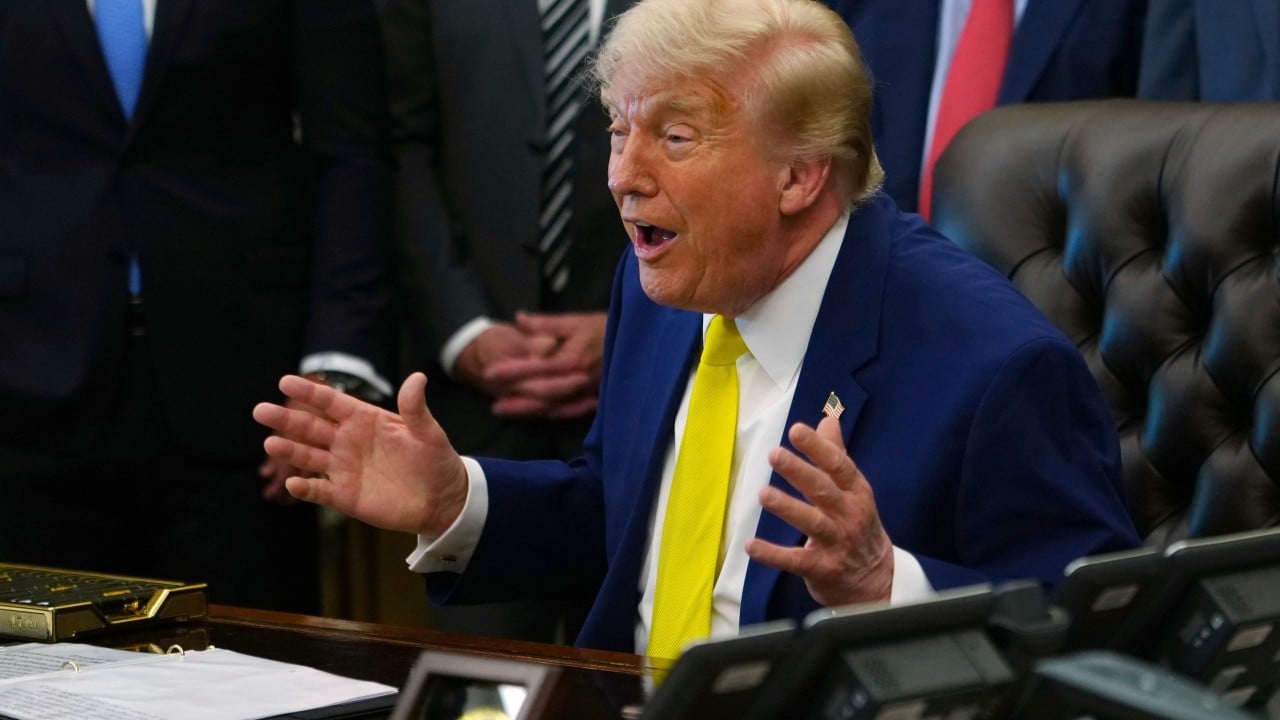
- The US Trade Representative proposes an additional 12.5% import tariff affecting India and 53 other countries over forced-labour supply-chain concerns.
- USTR’s action follows Section 301 investigations in which it says these countries fail to prohibit and effectively enforce bans on imports of goods allegedly made with forced labour.
- India is among the countries named in the proposal; US officials are also in discussions with India on a trade framework.
- Multiple outlets report the proposal is linked to a July deadline for possible exemptions.
- Some commentary describes the tariff threat as pressure within broader US–India trade negotiations, while India says it remains engaged and will challenge the levies.
The threat by the US to impose additional tariffs on imports from India over forced labour supply-chain concerns is a “pressure” tactic deployed by Washington to drive a harder bargain in its trade talks with New Delhi, according to analysts. Following a Section 301 unfair trade practices investigation, the Trump administration proposed that products from India, China, Japan, South Korea, Brazil and Switzerland would be subject to a 12.5 per cent levy, while a 10 per cent rate would apply to...
2 months agoA list of 54 US trading partners – including India, China, Japan, South Korea and Switzerland – would face additional tariffs for failing ‘to impose and effectively enforce a prohibition on the importation of goods produced with forced labor.’
2 months agoThe US Trade Representative has proposed a 12.5% tariff on exports from 54 countries, including India and China, citing their failure to prohibit goods made with forced labor. This move comes as US officials are in India discussing a framework agreement. The USTR's report also addresses excess capacity in several countries, potentially leading to further tariffs.
2 months agoThe action follows investigations launched against 60 countries over what the USTR described as their failure to impose and effectively enforce bans on imports made with forced labour
2 months agoThe USTR concluded that 60 economies, including India, failed to effectively curb imports produced with forced labour. Indian exporters now face a 12.5% duty hike unless New Delhi can secure exemptions before the July deadline.
2 months agoThe USTR had issued its findings in the forced labour investigation and proposed additional tariffs on imports from 60 economies, with a 12.5% import tariff for India
2 months ago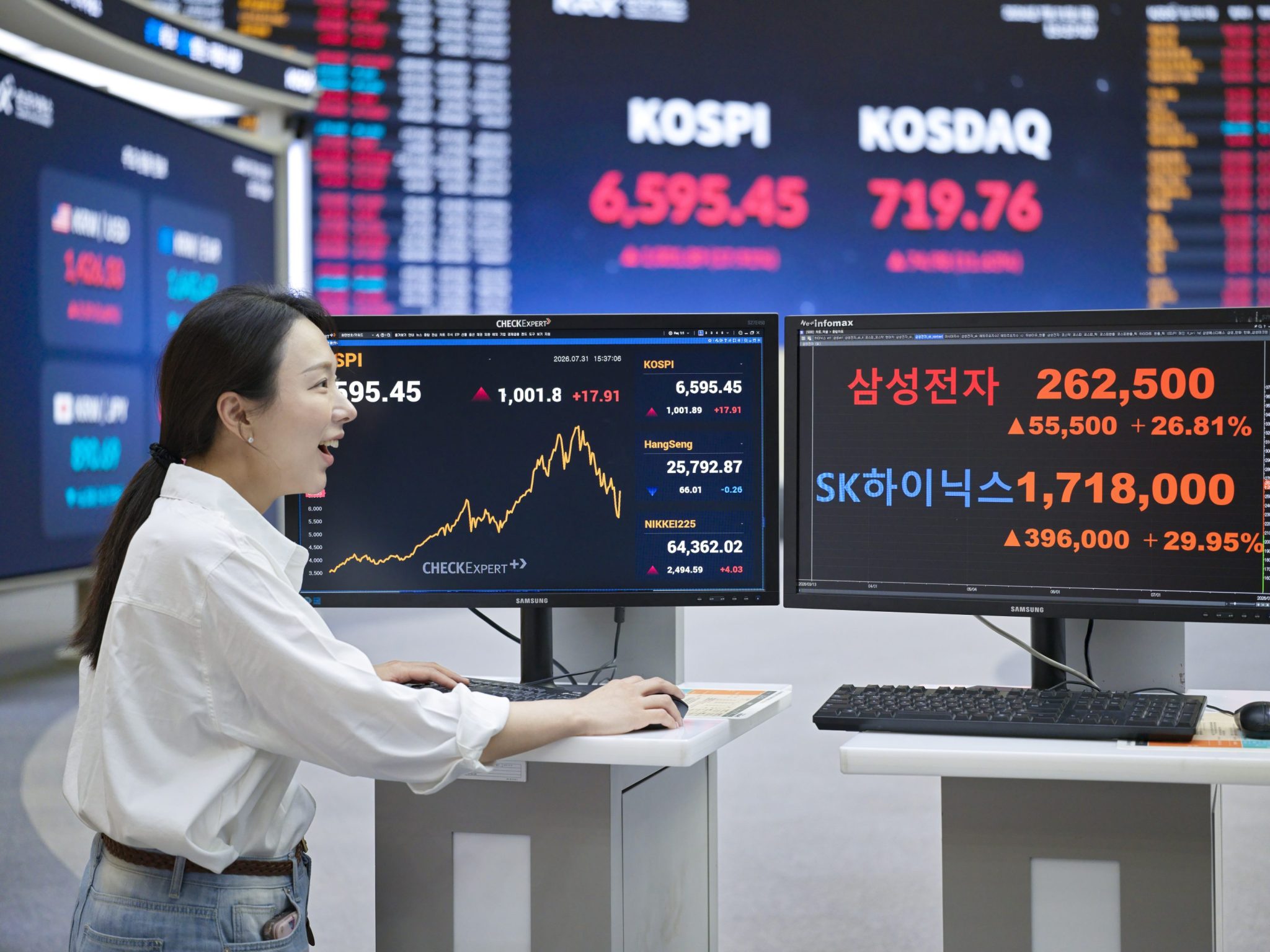
Seoul stocks swing amid tech rebound, bargain buying, and shifting US-Iran hopes
South Korea’s stock market moves sharply between gains and losses as traders react to swings in global cues, especially...

Australian shares rise but pare gains after hotter-than-expected July inflation
Australian shares open higher but give back most of their early gains after July inflation comes in hotter than expected...
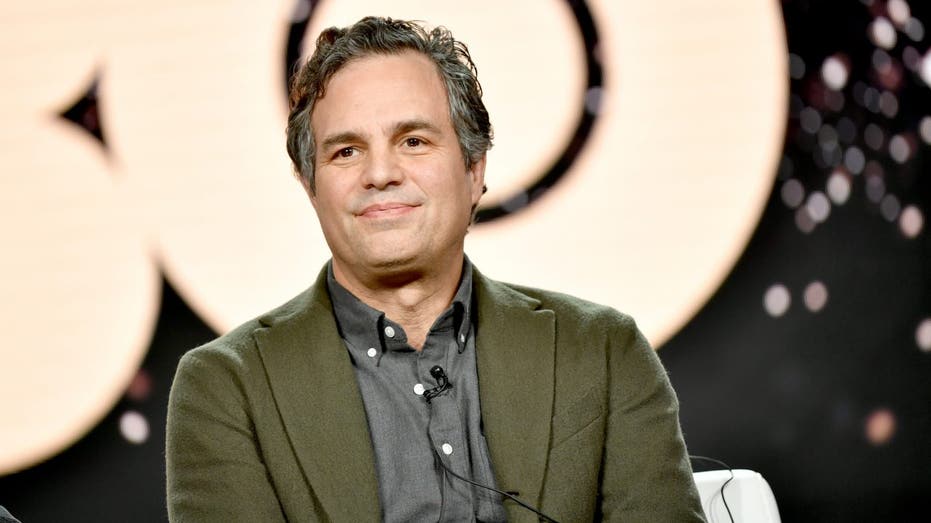
Mark Ruffalo Denies Antisemitism Charge From Paramount in Merger Criticism Dispute
Mark Ruffalo denies accusations of antisemitism from Paramount Skydance after the company criticized his opposition to t...