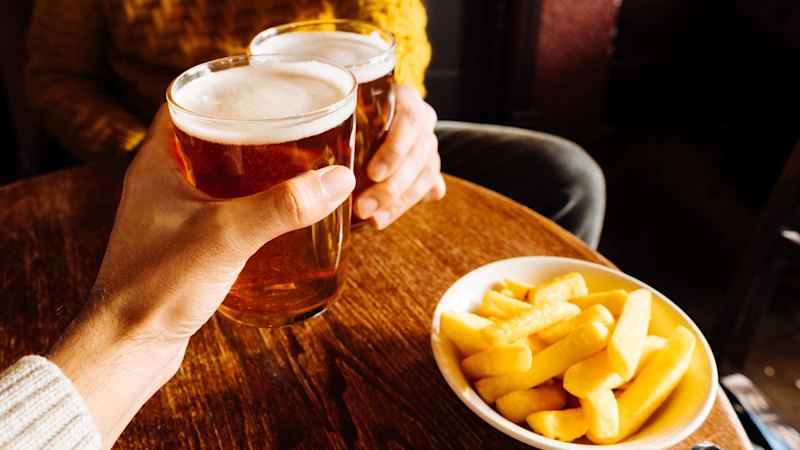
Several outlets report on the “aperitif effect,” a pattern in which people tend to crave salty foods after drinking alcohol. The articles describe how alcohol can change appetite and food preferences, increasing the likelihood of choosing or consuming more salty items in the period around drinking. This can lead to greater overall calorie intake, especially if salty foods are eaten as snacks or paired with drinks.
Across the sources, the key premise is that the combination of alcohol and the desire for salt can make it easier to overeat, which may contribute to weight gain over time. The reporting frames the effect as a behavioral and appetite-driven response rather than a single cause of weight change, noting that cravings can influence what and how much people eat while socialising or drinking.
Overall, the articles focus on the mechanism behind cravings associated with alcohol consumption and how those cravings can translate into higher intake, providing context for why salty foods may become more tempting during or after drinking.