


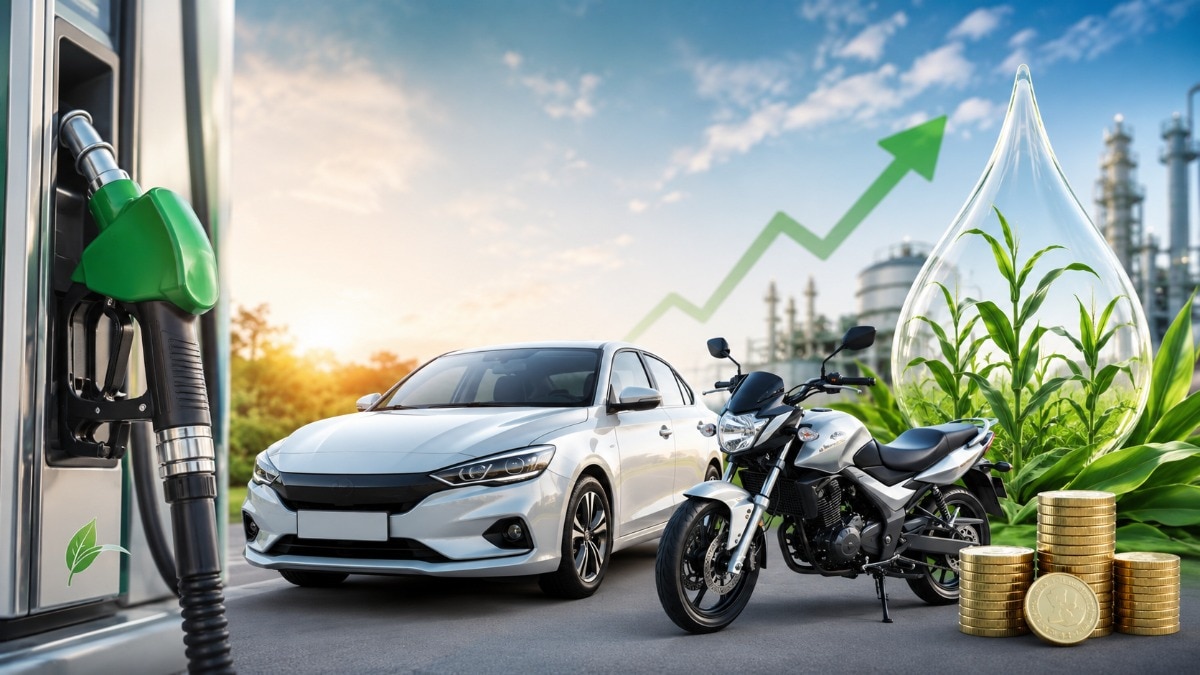
Flex-fuel vehicles are cars designed to run on more than one type of fuel—typically gasoline and a higher blend of ethanol—depending on what is available. When ethanol blended fuel is offered, the vehicle’s engine and fuel system can adjust to the fuel mixture, allowing drivers to use the alternative fuel rather than gasoline alone.
Both sources explain the basic concept: flex-fuel cars are built to detect or accommodate varying fuel blends and are intended to give drivers flexibility at the pump. The potential savings depend on how the prices of gasoline and ethanol (and the specific blend used) compare in a driver’s location. If ethanol is priced low enough relative to gasoline, operating costs may drop; if ethanol is similarly priced or more expensive, savings may be limited or may not occur.
The articles focus on the mechanism and the cost question, noting that whether flex-fuel vehicles save money is not automatic and varies with local fuel pricing, availability, and the blend the vehicle can use.


