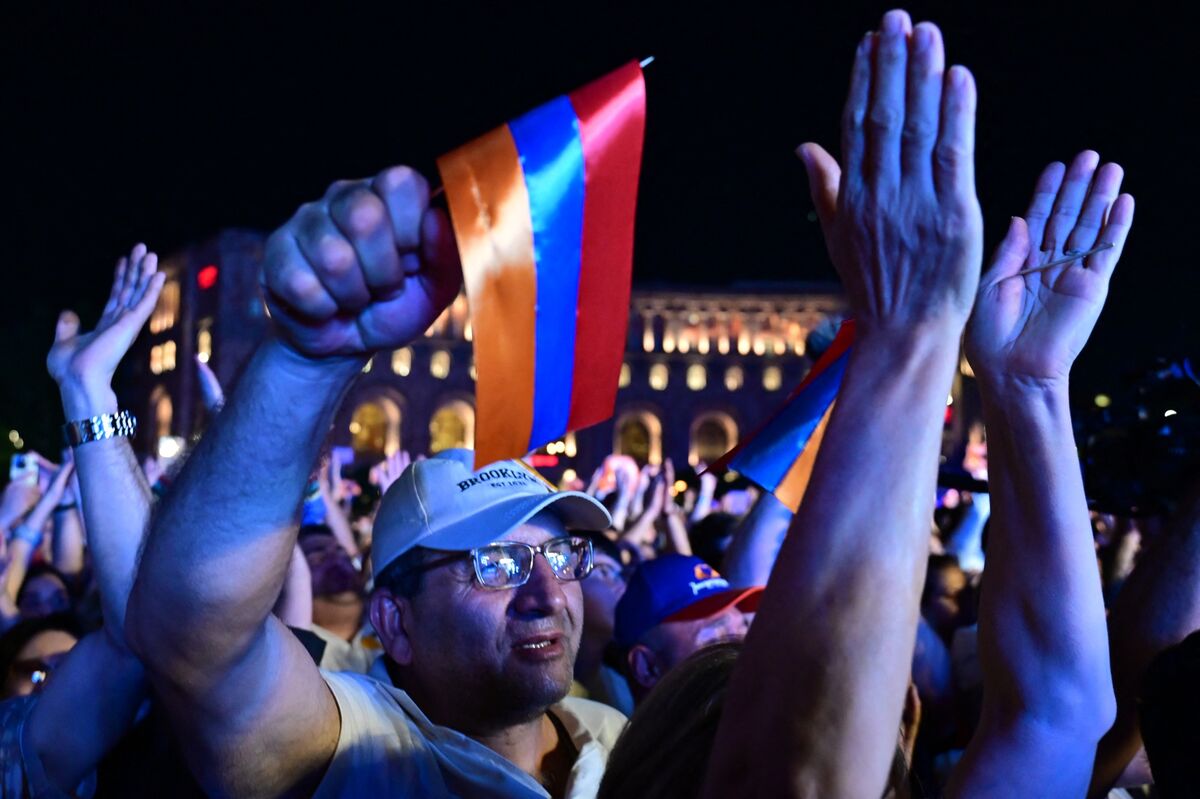
Armenia holds a parliamentary election that is widely framed as a test of the country’s geopolitical direction and its approach to regional peace. Polls close on Sunday with the Central Election Commission reporting a voter turnout of 58.97 percent. Prime Minister Nikol Pashinyan, who leads the pro-EU, pro-West direction in domestic and foreign policy, presents the election as a choice linked to efforts to secure lasting peace with Azerbaijan and advance broader normalization steps, including ties beyond the immediate region.
Multiple outlets describe the contest as pitting Pashinyan’s approach against a pro-Russia opposition. They also link the campaign to Armenia’s longstanding relationship with Russia, which critics say is being diluted or challenged by Pashinyan’s push for closer relations with the EU and the United States. Peace with Azerbaijan, and how it fits into Armenia’s wider strategy, features prominently across the coverage.
While outlets differ on emphasis, the overall reporting converges on the election’s role as a referendum-style moment for Armenia’s future alignment and its ability to implement constitutional and diplomatic priorities.