


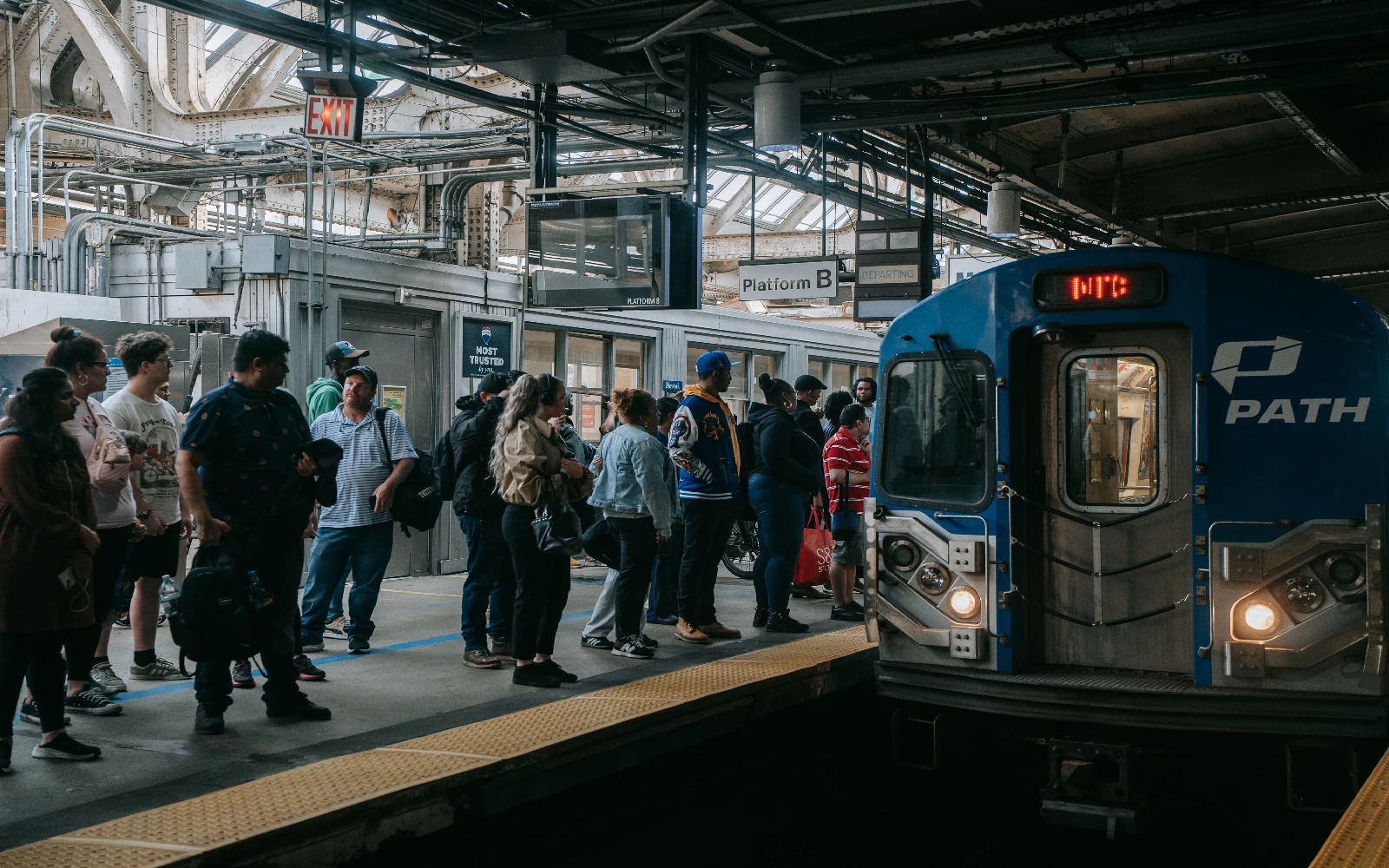
Ahead of and during the World Cup, public transport operators in North America are looking to use the event to increase ridership and showcase service quality, while also preparing for potential backlash. Multiple outlets report that transit agencies are adding capacity and adjusting schedules to handle larger passenger volumes linked to matches. At the same time, operators face practical constraints such as the cost of running additional trains and buses, staffing requirements, and the need to balance short-term World Cup demand with longer-term funding and planning goals.
The overall expectation is that smoother match-day travel could encourage residents and visitors to continue using rail and bus services after the tournament. However, outlets also note that performance issues—such as crowding, delays, or inadequate service—can quickly lead to criticism from commuters and fans. In this context, agencies are working to manage both the operational challenges of peak demand and the communication needed to maintain public confidence. The event is therefore presented as an opportunity for transit systems to demonstrate their capabilities while testing how well they can deliver during a high-profile, time-limited period.


