


The New World screwworm fly has reappeared in the United States after more than half a century, raising concerns for the cattle industry and other livestock. Multiple outlets report that the first confirmed detections involve flesh-eating larvae affecting animals, with the initial case identified in early June in south Texas. Since then, additional infections are confirmed in Texas and are reported to have spread beyond initial contamination areas. The Guardian reports 12 animal cases confirmed so far, involving cattle, goats, sheep and a dog, with the first case detected in a calf in south Texas on 3 June. Other reporting cites detections in a calf in La Salle County, Texas, and a goat in Gillespie County, Texas, along with a dog case in New Mexico, according to the U.S. Department of Agriculture. Authorities and agricultural experts describe the infestation as a serious livestock pest and say federal and state agencies are increasing efforts to contain the outbreak. PBS and ABC Australia highlight the potential economic risk, including the threat to the roughly $113 billion U.S. cattle industry and the significance of the fly’s return after decades without U.S. detections.
New World screwworm fly detected and cases rise in Texas and New Mexico
The New World screwworm fly has reappeared in the United States after more than half a century, raising concerns for the cattle industry and other livestock. Multiple outlets report that the first con...
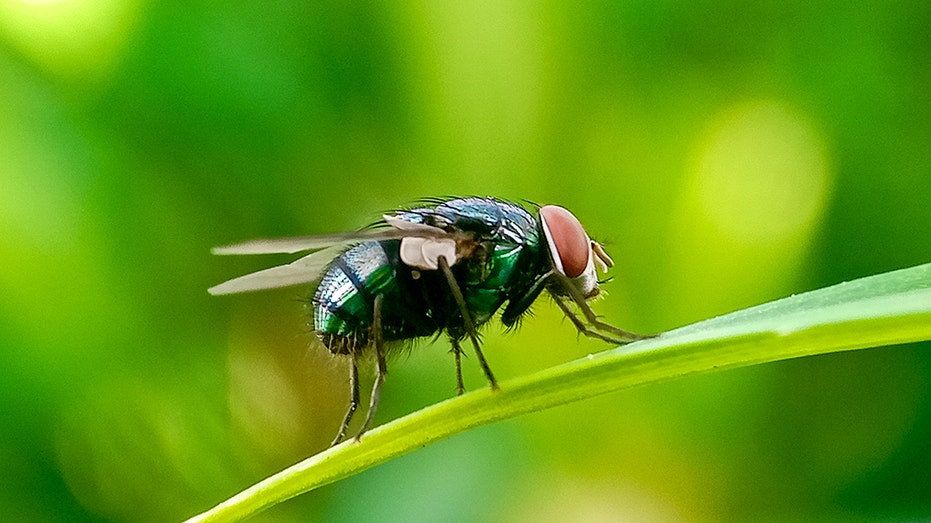
- The New World screwworm is detected in the U.S. after more than 50 years.
- The first confirmed case is reported in early June in a calf in south Texas (3 June cited).
- Additional cases are confirmed in animals across Texas and beyond initial areas, including New Mexico.
- Confirmed cases involve multiple livestock and at least one dog, including cattle, goats, and sheep.
- U.S. federal and state agencies increase containment and response efforts following the USDA’s detections.
USDA Secretary Brooke Rollins led efforts against New World Screwworm since early 2025, investing in sterile fly production and Mexico coordination.
2 months agoFlesh-Eating Screwworm Cases Rise To 15 After New Detections In Texas: USDA Authored by Aldgra Fredly via The Epoch Times, The U.S. Department of Agriculture (USDA) said on June 21 that three more cases of the flesh-eating New World screwworm have been detected in Texas, bringing the total in the United States to 15. The latest cases involved a lamb in Crockett County and two calves in Edwards County, Texas. The USDA said in a post on X that it would immediately begin releasing sterile flies outside the affected areas in Crockett County following the new detection there. According to the agency, the new cases in Edwards County were expected because they occurred within the current affected areas, where sterile flies were already being released. “Because a fly’s life cycle is an average of 21 days, it takes multiple reproductive cycles for populations to die off following sterile fly releases,“ it stated. ”As such, we may continue to see cases occur in already affected zones—a sign that our surveillance is working.” The USDA said it would continue carrying out “aggressive eradication efforts” alongside state partners, including deploying tens of millions of sterile flies each week in and around the infestation area. On June 11, the Food and Drug Administration authorized the emergency use of generic nitenpyram for treating New World screwworm infestations in dogs and cats that weigh at least 2 pounds and are more than 3 weeks old. The drug is made by Felix Pharmaceuticals. Acting FDA Commissioner Kyle Diamantas said in a June 11 statement that the agency has spent nearly a year preparing for the possible arrival of the screwworm in the country. “As of today, under the Trump administration’s decisive leadership, the FDA has issued ten [emergency use authorizations] and three conditional approvals for drugs to combat this threat, and this count will continue to grow as we receive more animal drug submissions and unleash American regulatory speed,” Diamantas said. New World screwworms are flesh-eating parasites that infect livestock, wildlife, and, in rarer cases, humans. Screwworm fly maggots burrow into the living tissue of animals, causing severe wounds that can be fatal. According to the Centers for Disease Control and Prevention, at least seven people had died from screwworm infections in Central America and Mexico as of Jan. 20. Texas Gov. Greg Abbott also deployed all available state resources earlier this month to eradicate screwworms after the first confirmed case in South Texas on June 3. The screwworm fly was officially eradicated from the United States in 1966 through a strategy primarily involving the release of sterile males, which mated with females, resulting in infertile eggs. Tyler Durden Mon, 06/22/2026 - 21:45
2 months agoThe US Department of Agriculture on Sunday reported three more cases of New World screwworm, taking the total to 15, according to a post on X.
2 months agoA flesh-eating fly known as New World screwworm has been found in livestock in Texas. Here’s everything you need to know about the parasitic pest. Q: What is our government doing about screwworm? A: They are currently negotiating with the highest-ranking screwworm representatives. Q: Is this why my burger costs $25? A: No, that’s because […] The post What To Know About Screwworm appeared first on The Onion.
2 months agoTwelve animal cases have been confirmed so far among cattle, goats, sheep and a dog in Texas and New MexicoScrewworm cases are rising in the US as the outbreak spreads beyond the initial contamination zones.Twelve animal cases have been confirmed so far, a significant increase from the first case detected in a calf in south Texas on 3 June. The growing number of infections has alarmed agricultural experts, who warn that a wider outbreak could have serious consequences for the Texas beef industry. Continue reading...
2 months agoA sixth case of New World screwworm has been confirmed in a Texas calf. It’s the second calf in La Salle County, Texas, to become infested with the parasite that threatens wildstock with larvae that burrows deep into the tissue of its inhabitant, according to the U.S. Department of Agriculture. Officials in the Lone Star...
2 months ago
Samsung Biologics plans $2.2 billion rights offering to fund PolyPeptide acquisition
Samsung Biologics says it is raising about 3 trillion won (roughly $2.2 billion) through a rights offering to finance it...

Raghuram Rajan urges the US Fed to raise rates to contain persistent inflation
Former Reserve Bank of India governor Raghuram Rajan says the US Federal Reserve should raise interest rates to contain...

Oil prices rise as renewed U.S.-Iran strikes and shipping risks stoke supply fears
Oil prices move higher as renewed U.S.-Iran military actions and wider regional shipping concerns revive fears of crude...