


About 400,000 bison live across North America today, but most are managed as livestock—nearly 90% are classified that way, according to one account. The question of whether bison should be treated as wildlife rather than livestock directly affects land management and grazing rights. One recent federal action in eastern Montana focuses on public lands on the rolling plains and involves revoking grazing leases tied to the presence of bison. The dispute reflects broader, long-running contention over how bison restoration should be handled and how existing grazing operations should coexist with bison. Bison are described as a keystone species, meaning they are considered to have outsized ecological influence and also hold significant cultural importance. While the sources highlight political and regulatory dimensions of the issue, they converge on the same core point: classification of bison—wildlife versus livestock—drives decisions over grazing access on public lands and therefore can determine the direction and implementation of bison restoration efforts.
Debate over whether bison are wildlife shapes grazing rights and restoration plans
About 400,000 bison live across North America today, but most are managed as livestock—nearly 90% are classified that way, according to one account. The question of whether bison should be treated as...
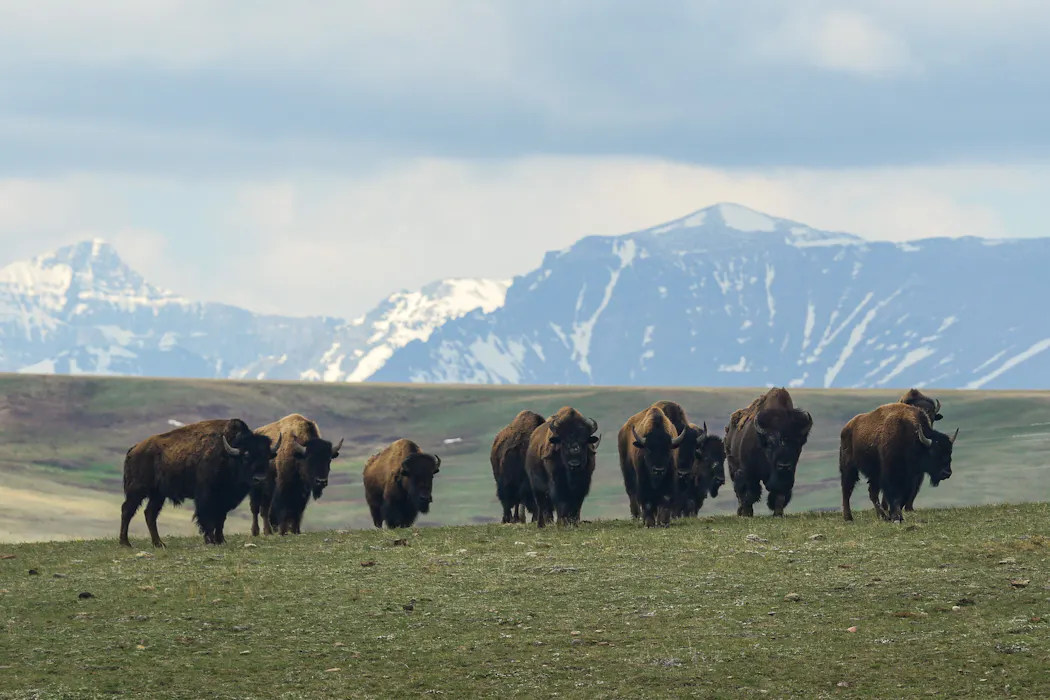
- Roughly 400,000 bison are present across North America today.
- Nearly 90% of bison are considered livestock.
- A federal decision revokes grazing leases for bison on public lands in eastern Montana.
- The grazing-rights dispute reflects long-standing disagreement over bison management.
- Bison are described as a keystone species with major ecological and cultural significance.
Bison are political animals. A federal decision to revoke grazing leases for bison on public lands on the rolling plains of eastern Montana is the latest manifestation of long-standing contention. The largest land animal in North America, bison are considered a "keystone" species, meaning they have high ecological and cultural importance.
2 months agoApproximately 400,000 bison roam the North American landscape today, of which nearly 90% are considered livestock.
2 months ago
Tennessee governor proposes renaming Nashville International Airport for Dolly Parton
Nashville International Airport is being considered for a rename in honour of country singer Dolly Parton following her...

Pastor Kingsley Okonkwo launches paid Christian matchmaking platform amid backlash
Pastor Kingsley Okonkwo, leader of David’s Christian Centre, launches “Mentor To Marry,” a Christian matchmaking platfor...

Poco Lee to face London court on September 15 over alleged assault offences
Nigerian entertainer Iweh Odinaka, known as Poco Lee, is on remand in the UK and is scheduled to appear at Snaresbrook C...