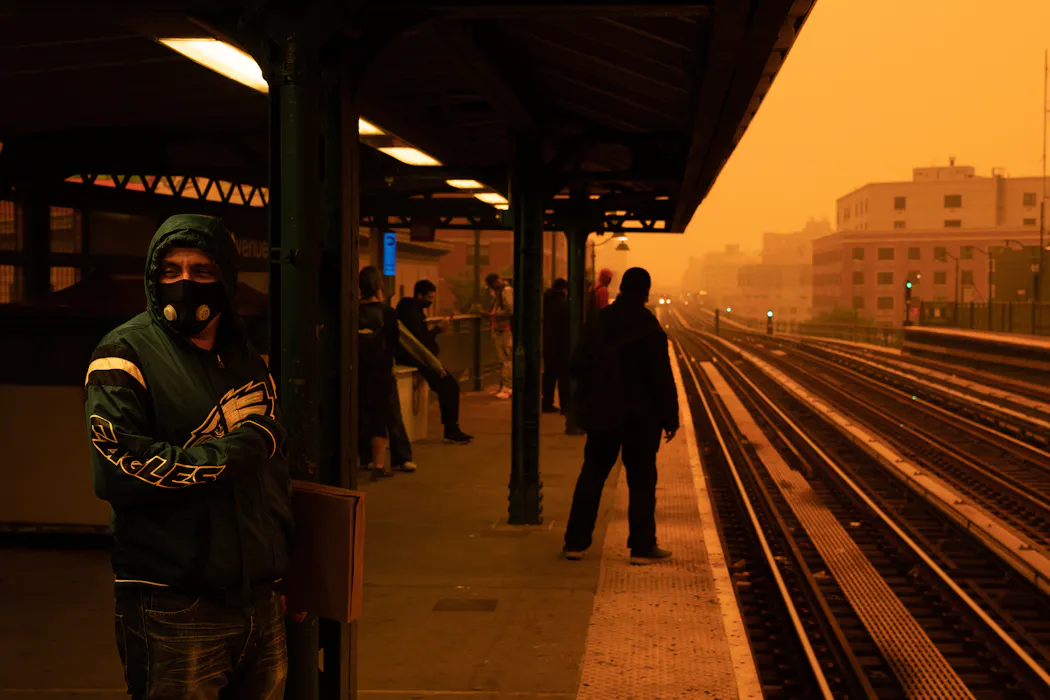
Multiple outlets report that U.S. progress in reducing surface-level ozone pollution—one of the main ingredients in smog—is being undermined by wildfire activity. Over recent decades, the United States had steadily lowered ozone levels, largely driven by cleaner vehicles, industrial processes, and power generation. However, this trend is increasingly overshadowed by ozone formed from emissions associated with wildfires.
The coverage also notes that the shift becomes more apparent starting around the mid-2010s, with wildfire activity picking up around 2015. As wildfires expand or intensify, they contribute to conditions that increase ozone pollution at the ground level. The articles further state that the rise in ozone pollution is linked to a growing health burden, including an increase in ozone-related premature deaths attributed to wildfire impacts.
Overall, the sources describe a reversal of earlier environmental improvements: while emission controls have reduced many sources of ozone precursor pollutants, wildfire-driven pollution increasingly offsets those gains and worsens public health outcomes related to smog.