


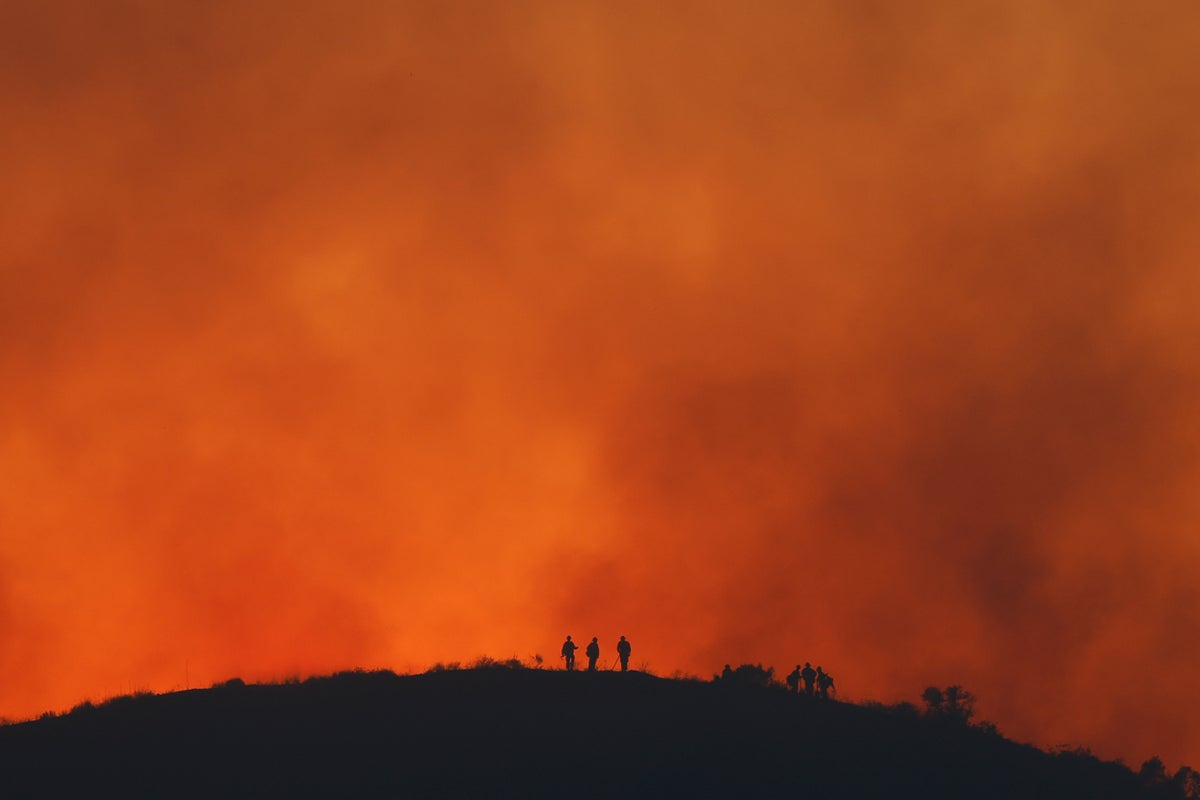
A new study finds that wildfire smoke is worsening air quality across large parts of the United States by increasing ground-level ozone, commonly associated with smog. Researchers report that surface ozone levels rise over time from 2015 through 2024, particularly affecting the Midwest and Western U.S. The study estimates that the degradation caused by wildfire-driven pollution reverses roughly several years of prior progress in reducing national smog concentrations.
Multiple outlets describe the trend as linked to the growing size and scale of wildfires, which emit pollutants that contribute to ozone formation in the atmosphere. The findings are presented as part of a broader reversal of improvements achieved over more than a decade.
Scientific American also reports that the higher wildfire-related ozone pollution is associated with premature deaths across the U.S., adding a public-health dimension to the air-quality results. While specific regional numbers and the exact magnitude of the “reversal” vary by presentation, all accounts emphasize the same overall conclusion: wildfire smoke is increasingly offsetting earlier gains in cleaner air.


