


Days after California’s primary, voters across the state are still waiting for final results in major races, including the governor’s race and the Los Angeles mayoral race. Multiple outlets describe the delay as familiar to California elections, where vote counting can take days after Election Day, particularly when mail ballots, provisional ballots, or late-arriving ballots require additional processing before totals are certified. Because the count is not immediately complete, critics have raised concerns and questioned whether the slow pace indicates wrongdoing. However, the reporting emphasizes that a delayed ballot count does not, by itself, mean an election is rigged. Instead, election officials and process explanations point to standard administrative steps—such as verification and tabulation—that can affect how quickly unofficial results are finalized. The coverage frames the continued waiting as part of how California elections operate, while acknowledging that delays can fuel public frustration and scrutiny. Overall, the accounts converge on the same point: the counting timeline is slow enough to draw criticism, but the delay alone is not presented as proof of manipulation.
California’s primary ballot count moves slowly as critics question the process
Days after California’s primary, voters across the state are still waiting for final results in major races, including the governor’s race and the Los Angeles mayoral race. Multiple outlets describe t...
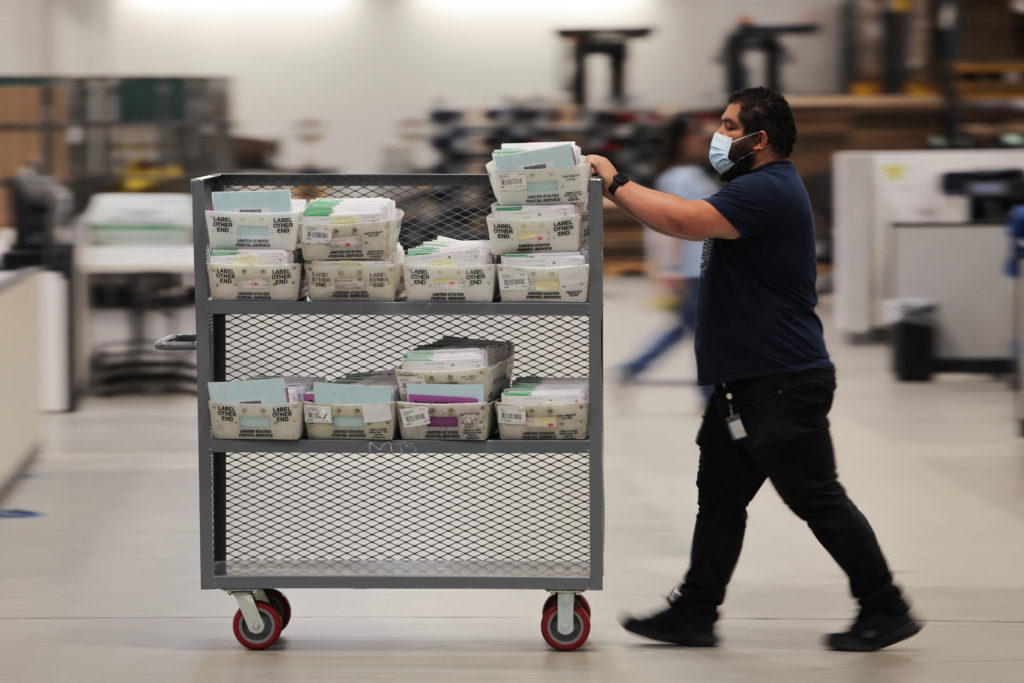
- California’s primary vote counting is still ongoing days after Election Day.
- Major races affected include the governor’s race and Los Angeles mayor.
- Some critics question the slow pace of results and express concerns about possible problems.
- Reporting indicates the delayed count alone does not show elections are rigged.
- The delay is described as consistent with California’s election process and ballot handling steps.
Days after the state's primary, California voters are in a familiar position -- waiting to find out which candidates will go on to the general election in their most high-profile races, for governor and Los Angeles mayor.
2 months agoDays after the state's primary, California voters are in a familiar position -- waiting to find out which candidates will go on to the general election in their most high-profile races, for governor and Los Angeles mayor.
2 months ago
Atiku seeks Tinubu’s disqualification over alleged NYSC certificate discrepancy for 2027 election
Presidential candidate Atiku Abubakar files a suit seeking to disqualify President Bola Ahmed Tinubu from the 2027 presi...

NLSIU cancels 2026 convocation amid dispute over CJI and BCI chief attendance
National Law School of India University (NLSIU) in Bengaluru cancels its 34th annual convocation for the 2026 graduating...
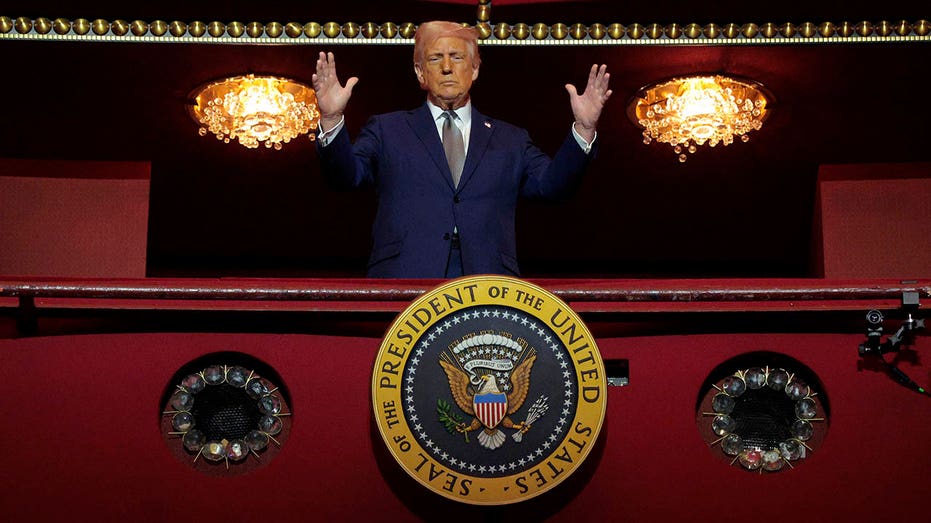
Judge hears arguments over whether Kennedy Center can restore Trump name inscriptions
A federal judge hears arguments in a continuing legal fight involving the Kennedy Center’s efforts to put President Dona...